Người đã xem:
—
Should You Wash Your Hair Every Day? Expert Answers
Thời gian: 03/05/2026
The question of whether you should wash your hair every day always receives great attention in personal care routines. Many believe frequent cleansing brings bouncy hair, but medical reality often contradicts this habit. Join Panda Spa to understand scalp physiology and find the most accurate washing frequency for healthy, smooth, naturally shiny hair.
1 Understanding Whether You Should Wash Hair Daily
To answer accurately, we need to analyze factors that determine hair follicle health. Each person has a different answer based on their constitution and living environment.
1.1 Sebaceous glands determine washing frequency
The core factor deciding cleansing frequency is sebaceous gland activity. For oily scalps, glands overproduce oil, making hair greasy quickly after one day. In this case, the answer to whether you should wash hair every day is yes—to remove excess oil, unclog pores, and prevent fungal itch.
Sebaceous glands determine washing frequency
Conversely, if you have dry scalp or chemically treated (dyed/permed) hair, daily washing is harmful. Weak sebum production can’t provide enough moisture, so frequent shampooing makes hair drier, brittle, and prone to breakage. If you’re still wondering whether you should wash hair every day, for dry types, extend to every 2–3 days to protect the natural lipid layer.
1.2 Living environment affects cleansing needs
Daily environment and job nature directly impact hair care schedule. People working outdoors, exposed to dust/smoke, or doing intense sports accumulate lots of sweat. Sweat + fine dust creates an ideal environment for bacteria, so considering whether you should wash hair every day is essential for hygiene.

Living environment affects cleansing needs
However, for office workers in air-conditioned rooms with minimal dust, hair stays clean much longer. Air conditioning already dries out natural moisture, so daily washing can make scalp tight and irritated. In this case, analysis shows washing about twice a week is sufficient to maintain volume.
1.3 Harmful effects of high-frequency cleansing
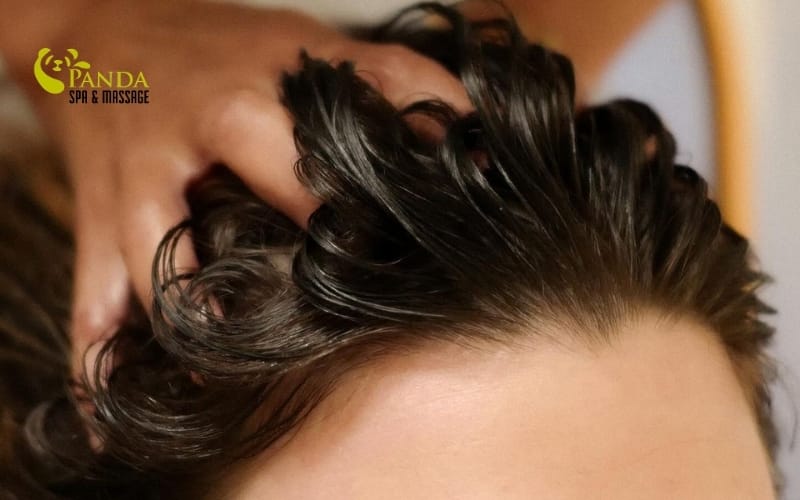
Overusing shampoo daily brings many hidden damages to fragile hair structure. Detergents strip the protective lipid layer completely, causing rapid moisture evaporation from the hair shaft. This explains why many worry about whether they should wash hair every day when noticing hair becoming brittle, porous, and falling out more.
Harmful effects of high-frequency cleansing
Beyond hair shaft damage, excessive cleansing creates a rebound effect on sebaceous glands. When scalp is stripped of natural oil, the body overproduces oil to compensate, making hair greasier faster than before. Understanding this mechanism gives a clear answer to whether you should wash hair every day and helps reset healthier habits.
2 Correct Hair Washing Routine for Dandruff
A complete cleansing process doesn’t just remove dirt—it also stimulates circulation and effectively controls dandruff. Apply this 8-step professional routine to your daily wash.
2.1 Prepare hair and wet scalp before shampooing
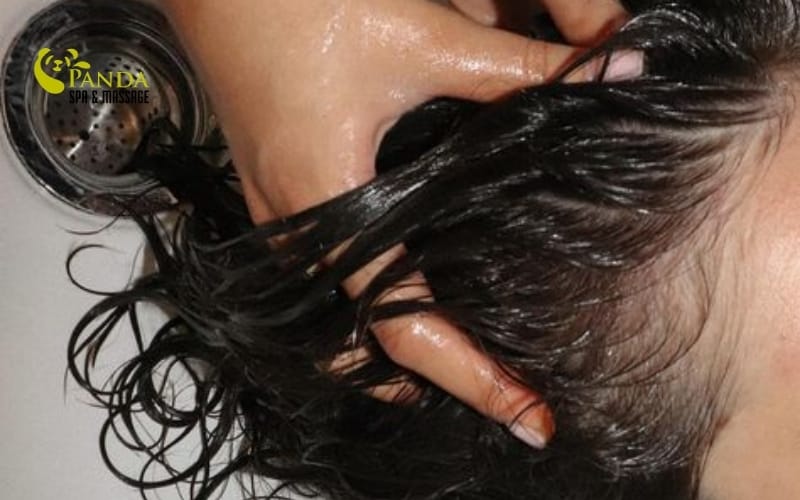
Step 1: Brush and fully wet the scalp. Brushing with a wide-tooth comb before washing detangles and loosens stuck dandruff flakes. This minimizes breakage when hair meets water and makes subsequent cleansing easier. You’ll feel more confident about whether you should wash hair every day when you master this foundational protection step.
Prepare hair and wet scalp before shampooing
After brushing smooth, use lukewarm water to thoroughly wet the entire scalp and hair. Warm water gently opens cuticles, allowing pores to expand and release built-up sebum. Ensuring water reaches the roots everywhere significantly improves dandruff treatment effectiveness.
2.2 Create foam and focus shampoo on scalp
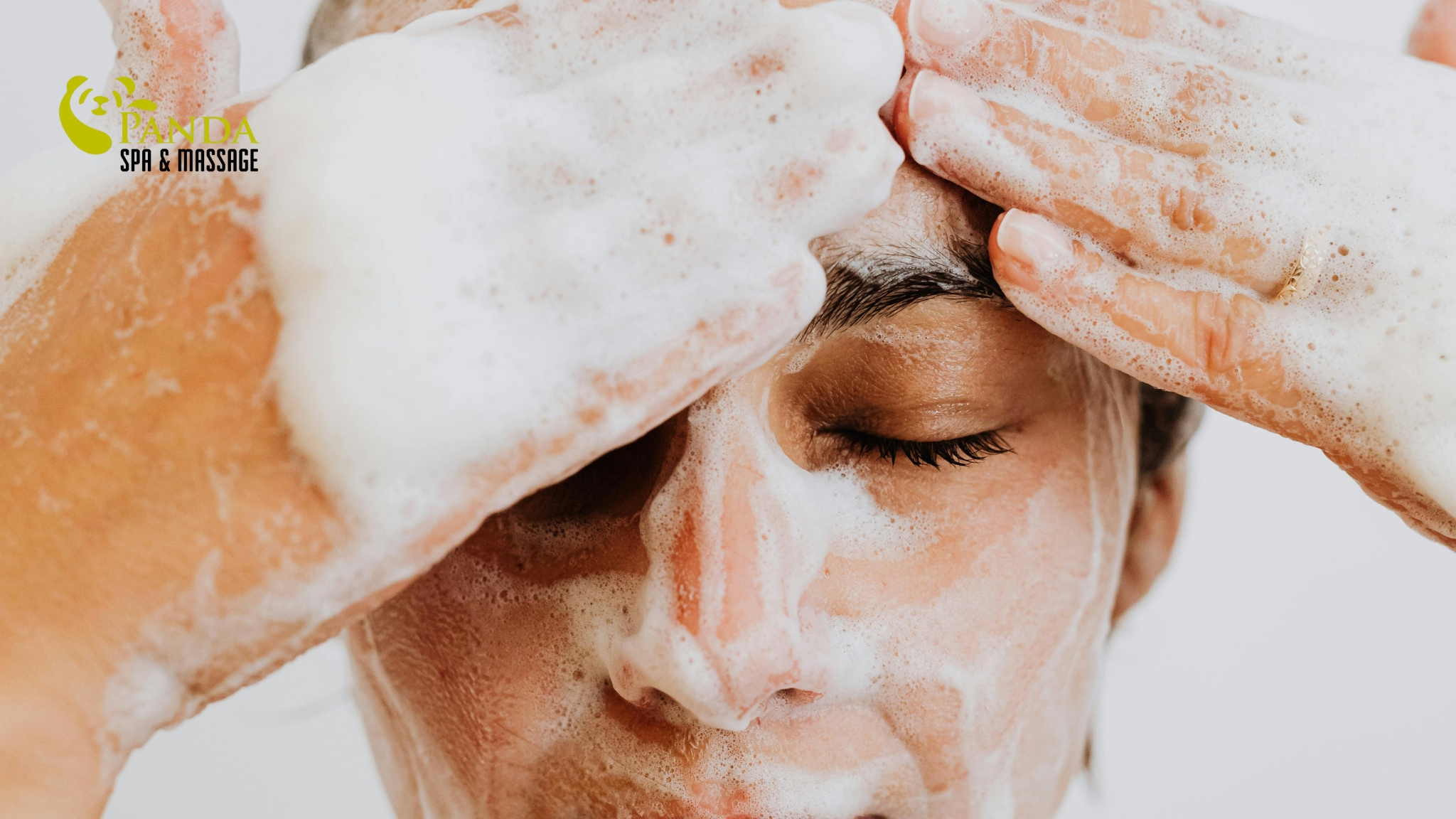
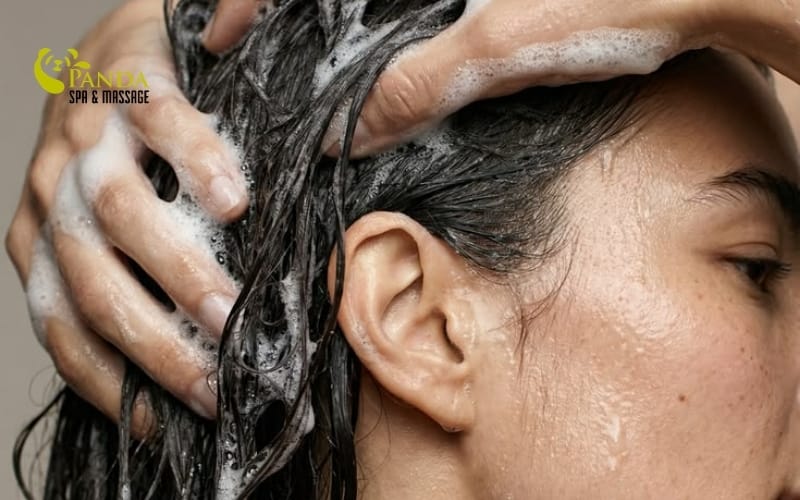
Step 2: Take appropriate shampoo amount and foam it up. Depending on hair length, use just enough product, add a little water in your palm, and rub to create rich, fine foam. This foam acts like tiny magnets to attract dirt without direct harsh contact that stings skin. Controlled dosage helps you feel safer when considering whether you should wash hair every day on sensitive scalps.
Create foam and focus shampoo on scalp
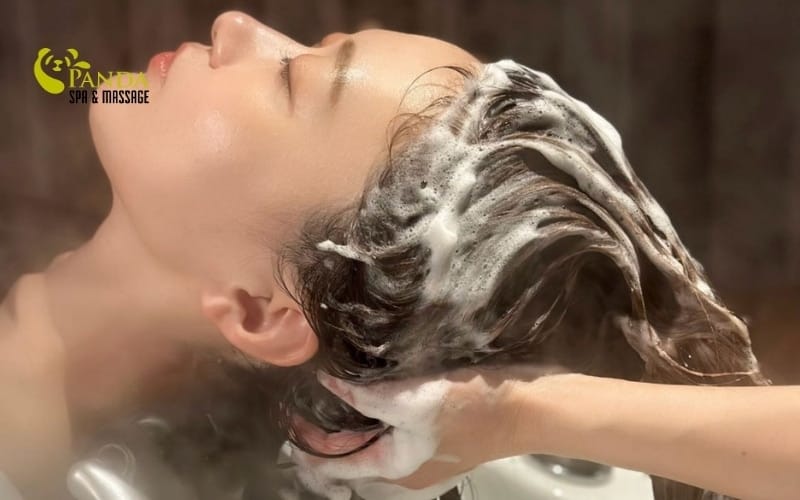
Step 3: Apply shampoo mainly to the scalp. Roots are where excess oil and dead cells causing dandruff concentrate, so apply foam directly to the scalp instead of scrubbing lengths. Gently run fingers through sections to ensure even coverage from crown to nape. Lengths get cleaned naturally as suds rinse down.
2.3 Scalp massage and leave foam on long enough
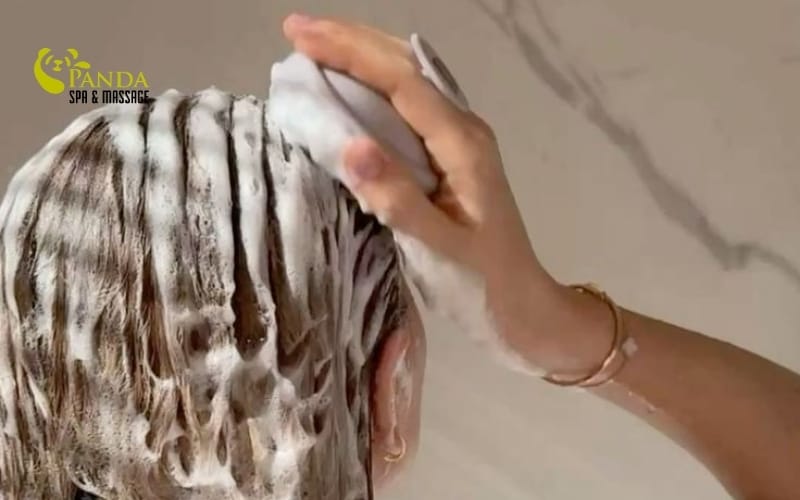
Step 4: Massage gently with fingertips for 2–3 minutes. Use soft finger pads to press and rub in small circles—never scratch with nails. This technique safely dislodges dandruff flakes and boosts blood flow to nourish follicles. It resolves worries about whether you should wash hair every day by deep cleansing without damage.
Scalp massage and leave foam on long enough
Step 5: Leave foam on scalp for 3–5 minutes. After massaging, don’t rinse immediately—let suds sit a few minutes. This acts as a catalyst, allowing active ingredients to penetrate and break down stubborn dandruff fungus. Patience ensures perfect cleansing and maximum refreshment.
2.4 Rinse thoroughly to avoid residue
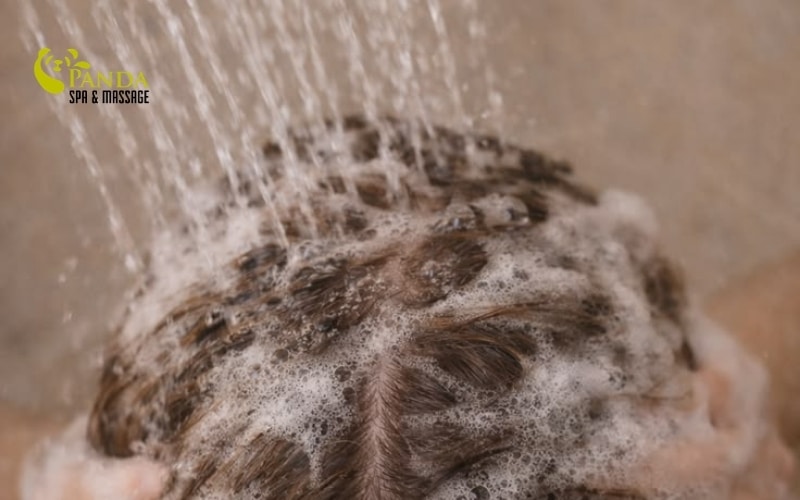
Step 6: Rinse completely with lukewarm water. Thoroughly removing all chemical residue directly determines scalp barrier health. Rinse from crown downward, running fingers through roots to wash away every bubble. Incomplete rinsing leaves buildup, causing dandruff inflammation and making you question whether you should wash hair every day.
Rinse thoroughly to avoid residue
Pay special attention to hidden areas like nape and behind ears. Keep rinsing until hair feels squeaky clean with no slippery feel. Finish with cool water to close cuticles, lock in moisture, and create natural shine.
2.5 Apply conditioner correctly on lengths
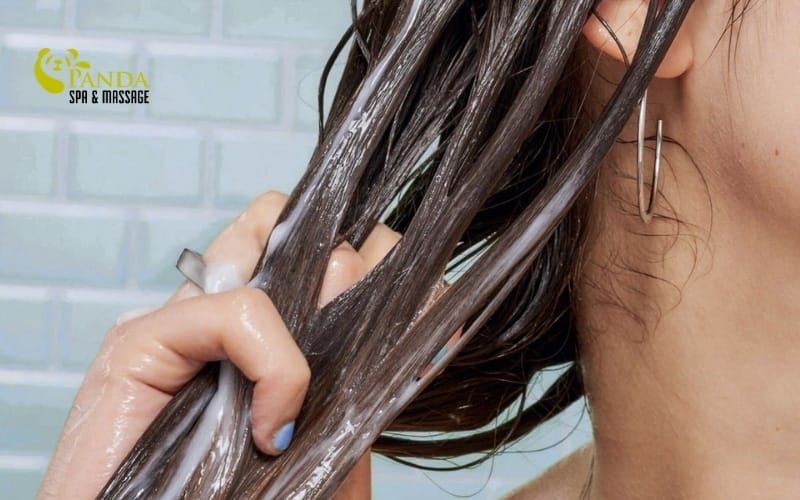
Step 7: Apply conditioner from mid-lengths to ends. Conditioner is essential to restore moisture lost during cleansing. The unbreakable rule: start application from mid-shaft downward to the driest ends. Proper technique repairs damage and eliminates fears about whether you should wash hair every day due to dryness/fallout.
Apply conditioner correctly on lengths
Never let conditioner touch the scalp—silicone in many formulas clogs pores instantly. After even application on lengths, gently comb through with fingers to detangle and leave on for about 3 minutes. Finally, rinse thoroughly with cool water for silky-smooth hair.
2.6 Dry hair and scalp properly
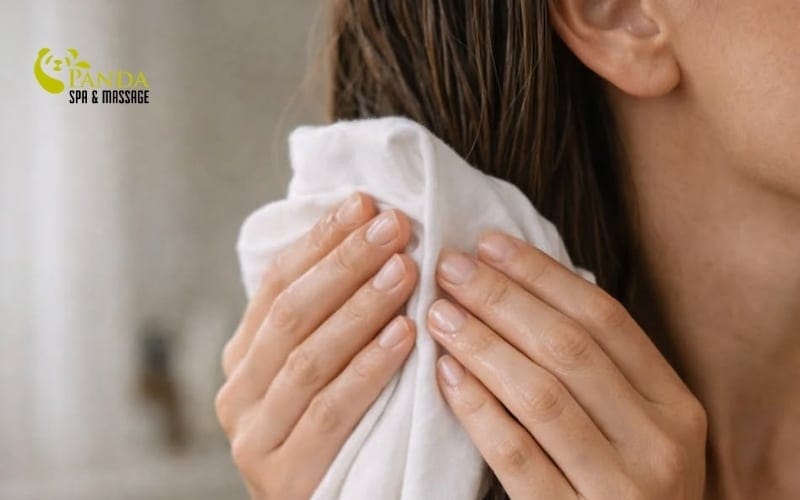
Step 8: Blot dry and blow-dry roots—never leave wet. After showering, never rub vigorously with a towel—it breaks wet cuticles. Instead, use a super-absorbent cotton towel to gently press and blot excess water from lengths. Proper physical drying reduces breakage regardless of whether you should wash hair every day.
Dry hair and scalp properly
Once excess water is removed, blow-drying the roots close to scalp is critical to prevent fungus growth causing dandruff. Set dryer to cool, hold 20cm away, and move continuously. Keeping scalp dry and ventilated is the ultimate secret to truly healthy hair.
3 Hair Care Combined with Da Nang Massage at Spa
The perfect blend of traditional medicine essence and organic herbal products at the spa delivers recovery far beyond expectations. This is a luxurious relaxation privilege for those who truly value themselves.
3.1 Nourishing head spa treatment for relaxation
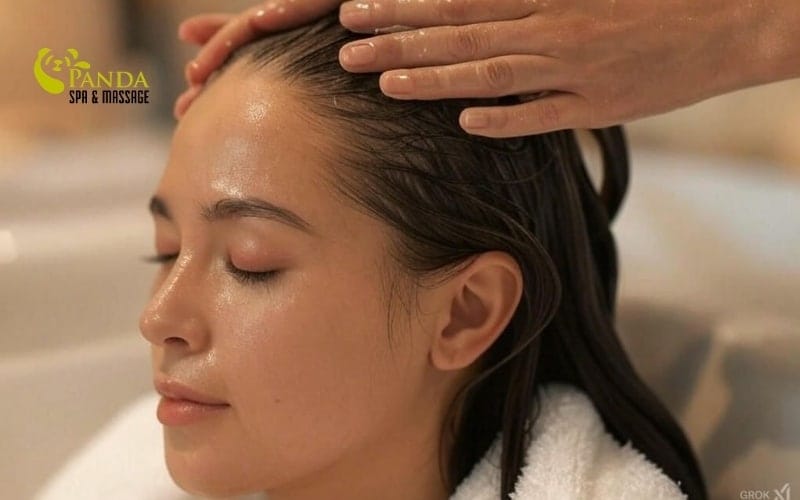
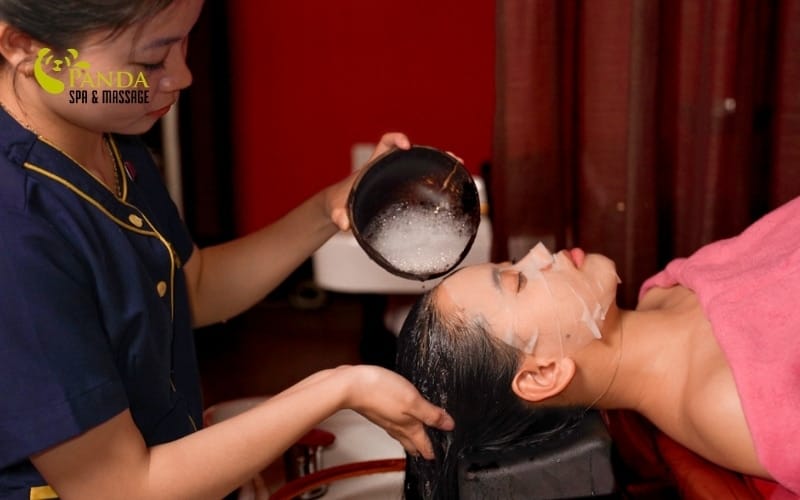
Head spa nourishing treatment is a holistic health trend loved by millions of women. It uses herbal decoctions like reetha, lemongrass, grapefruit peel to safely cleanse and nourish follicles. The herbal aroma combined with warm water flow fully addresses concerns about whether you should wash hair every day through a deep weekly treatment.
Nourishing head spa treatment for relaxation
Throughout therapy, enjoy professional acupressure and meridian-opening techniques on head, neck, and shoulders. Therapists release muscle tension and boost blood flow to the brain. This wonderful Da Nang massage experience brings shiny, healthy hair and effective mental energy recovery.
3.2 Panda Spa deep hair follicle health restoration
Located in beautiful Da Nang, Panda Spa is the ideal destination offering medically standard scalp care solutions. We design personalized treatment plans based on actual follicle condition to completely eliminate accumulated toxins. Experts consult you on whether you should wash hair every day to build the most appropriate care routine.
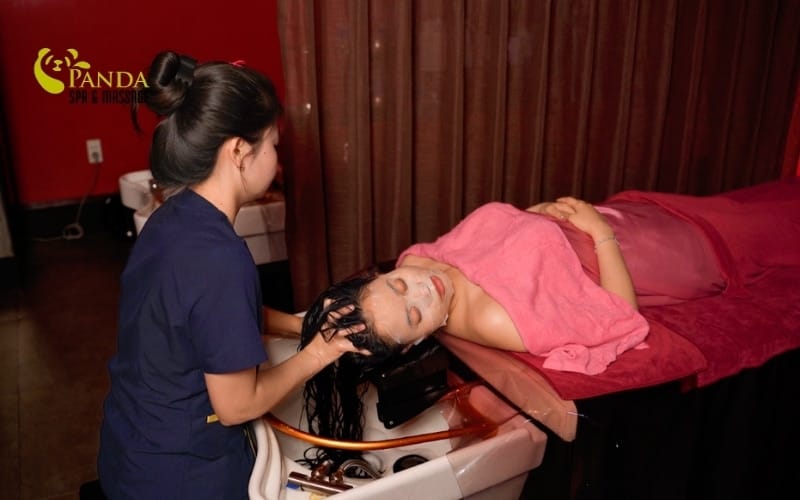
Panda Spa deep hair follicle health restoration
Panda Spa’s team commits to using gentle organic products free of harmful sulfate-based chemicals. Combining therapeutic massage with natural nutrients restores a strong protective barrier for hair. Choosing our Da Nang Spa service is a smart investment for always smooth, voluminous hair.
4 FAQ – Answers About Daily Hair Care
Hair hygiene always comes with questions needing scientific clarification. Below are detailed answers to the most common consumer concerns.
1. Should people who exercise a lot and sweat heavily wash hair daily?
For intense exercisers, removing sweat buildup is necessary to prevent folliculitis. However, instead of daily harsh shampoo, alternate with plain warm water rinse or dry shampoo. This removes dirt without stripping natural protective oils.
2. Should bleached/colored hair be washed daily to reduce dryness?
Absolutely not. Bleached/dyed hair has very weak keratin structure and loses moisture easily. Frequent washing accelerates color fade and makes strands dry, brittle, and prone to breakage. Limit to about twice weekly with low-pH specialized products and increase hair mask treatments.
5 Conclusion: Proper Hair Care for Healthy Hair
Whether you should wash hair every day depends entirely on your scalp physiology and lifestyle. An 8-step scientific cleansing routine is the golden key to maintaining strong, enduring hair health. If you want deep restoration for tired hair, don’t hesitate to visit Panda Spa today for premium nourishing treatments.
>>> READ MORE: Nourishing Head Spa
———————————————————————
CONTACT NOW
Hotline: 038.3967.775 / 070.818.5397
Email: booking@pandaspa.vn
Messenger: Panda Spa Da Nang
Kakao Talk: Panda Spa Da Nang
Naver: Panda Spa Da Nang
Tripadvisor: Panda Spa & Massage In Danang City
Address 1: 229 Nguyen Van Thoai, Son Tra – Da Nang
Address 2: 225 Nguyen Van Thoai, Son Tra – Da Nang