Người đã xem:
—
Hand Allergy: Causes and Safe Treatment Methods
Thời gian: 02/10/2026
Hand allergy is a common skin condition causing itching, red rashes, and daily discomfort. It can stem from chemical exposure, weather changes, or sensitive skin weakening the protective barrier. Without proper handling, hands easily peel, crack, and recur frequently. Join Panda Spa to learn specific causes and safe care solutions to quickly restore healthy, smooth hand skin.
1. Most Common Signs of Hand Allergy
Recognizing early symptoms is the first important step in treatment. Signs of hand skin irritation vary depending on the cause and each person’s constitution, but they usually share easily noticeable common features.
1.1 Red, itchy, peeling hands after chemical contact
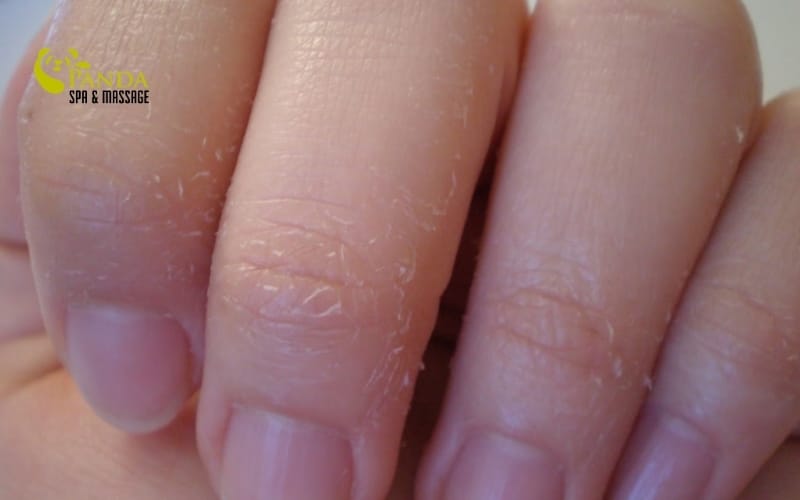
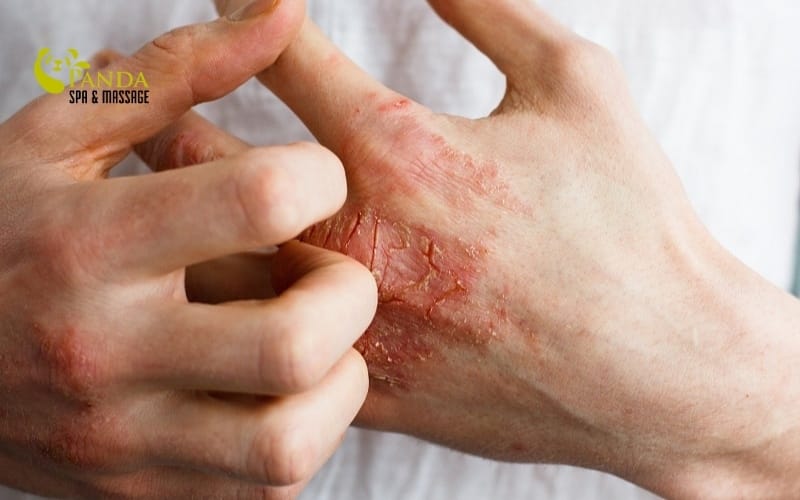
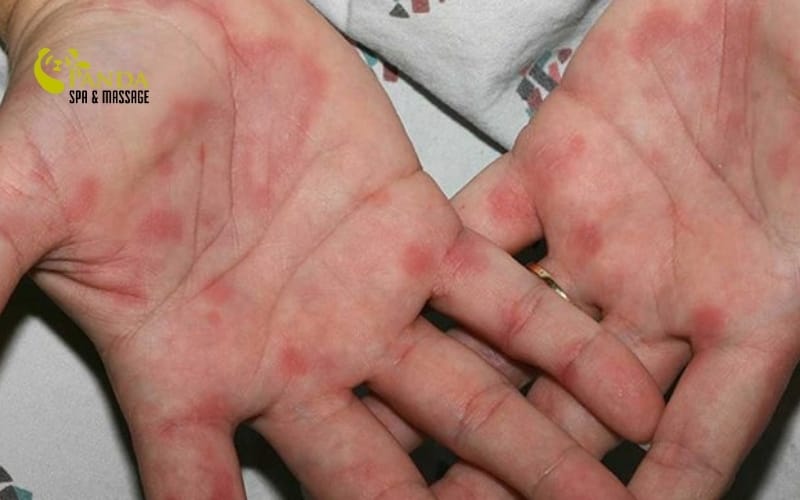
One of the clearest signs when hands encounter problems is the appearance of red patches with intense itching. This often happens right after contact with strong detergents such as dish soap, laundry powder, or industrial solvents. The damaged epidermis begins to dry, roughen, and peel into white flaky patches, causing serious aesthetic issues for the hands.
Red, itchy, peeling hands after chemical contact
If not treated promptly and exposure to the harmful agent is not stopped, these peeling areas can deepen into the dermis, forming extremely painful bleeding cracks. The itching from hand allergy causes scratching reflex, further worsening damage and increasing infection risk. Recognizing the initial redness and itching is the signal to immediately protect your hands from toxic chemicals.
1.2 Swollen, rashy, itchy hands due to dry weather
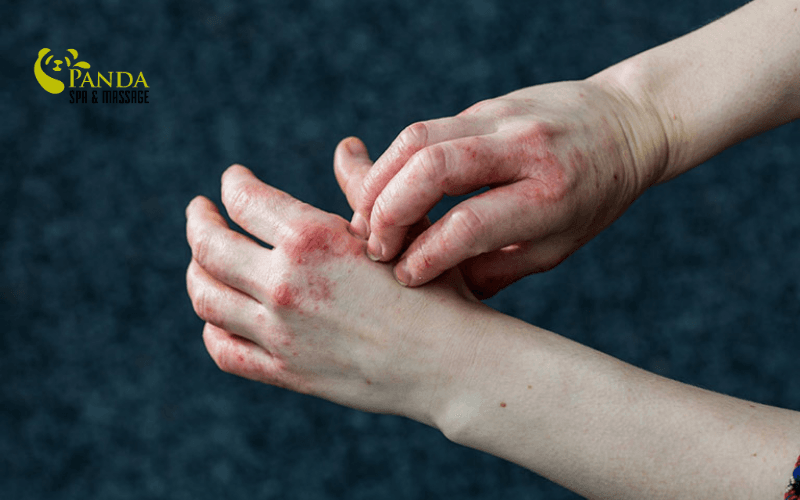
Weather is also a major factor affecting skin health. When temperature and humidity change suddenly, especially in dry winter, many people experience mild swelling in the fingers accompanied by tiny red rashes. This is the capillary response under the skin to thermal shock, leading to chilblains or weather-related irritation.
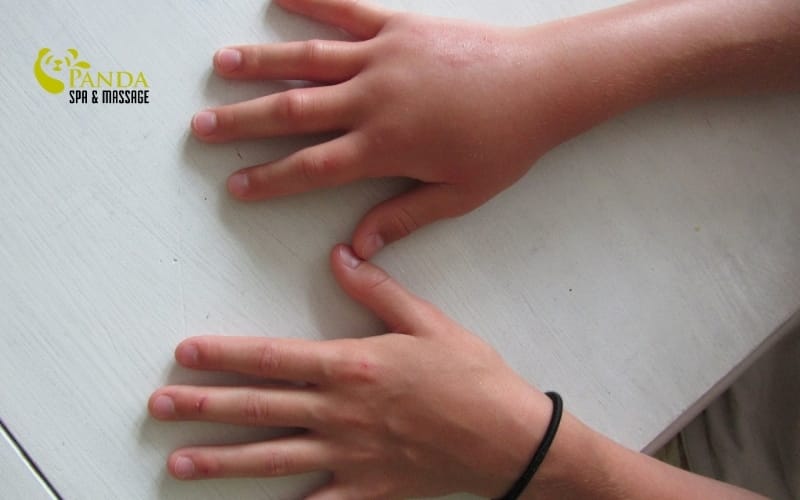
Swollen, rashy, itchy hands due to dry weather
This swelling often feels internally hot but externally cold, making finger joint movement difficult. The itchy rashes may appear scattered or clustered, causing stinging discomfort. To minimize this irritation, keeping warm and moisturizing the hands is the most effective preventive and supportive treatment measure.
1.3 Spreading hand allergy causing daily life discomfort
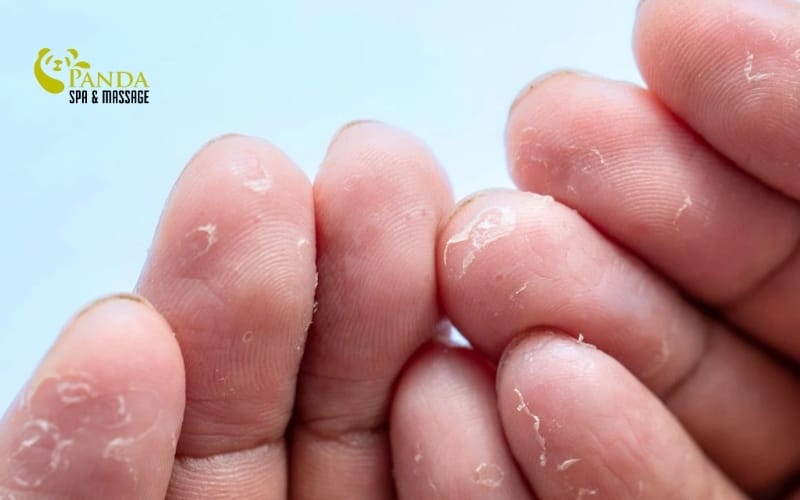
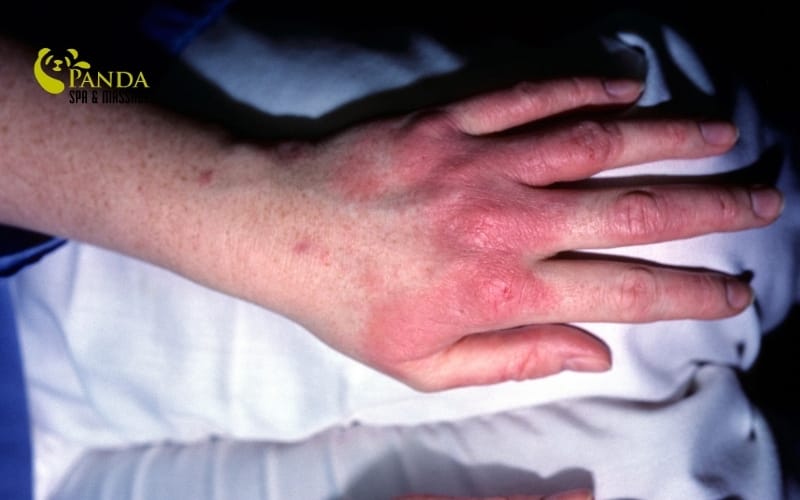
In some severe cases, the inflammatory response does not stay localized but tends to spread across the entire hand, even up to the wrist and forearm. At this stage of hand allergy, the skin becomes thickened, darkened, and develops fluid-filled blisters. When these blisters burst, they cause pain, oozing, and crusting, greatly affecting daily activities and work.
Spreading hand allergy causing daily life discomfort
The spreading of damaged areas often indicates a strong flare-up of atopic dermatitis or dyshidrotic eczema. Patients feel self-conscious, avoid social interaction, and face great inconvenience in holding objects. Treating this widespread skin issue requires persistence and specialized medical protocols to control symptoms and prevent recurrence, helping patients return to normal life soon.
>>> READ MORE:Effective and Safe Ways to Soften Hand Skin at Home
2. Causes of Hand Allergy in Daily Life
To treat at the root, we must accurately identify the “culprits” causing the problem. There are many factors leading to negative skin reactions on the hands, from external environmental elements to internal body changes.
2.1 Detergents and cosmetics causing hand skin irritation
Chemicals are the leading cause of irritant contact dermatitis. Household products such as dish soap, floor cleaner, and laundry bleach often contain high alkalinity and strong surfactants. Direct contact without protective gloves erodes the natural lipid membrane, causing hand allergy, dryness, and cracking. Even some cosmetics and hand creams containing fragrances or paraben preservatives can trigger irritation in sensitive skin.
Detergents and cosmetics causing hand skin irritation
In addition, people working in industrial, medical, or hairdressing environments who frequently contact specialized chemicals are also at high risk. Long-term accumulation of chemicals weakens the skin’s immune system, turning irritation into a chronic condition that is hard to cure completely. Therefore, identifying and eliminating chemical exposure sources is the most important step in hand recovery.
2.2 Polluted environment and dust causing hand allergy
Polluted living environments with smoke, dust, and bacteria are unavoidable triggers. Fine dust, pollen, pet dander, or mold can adhere to the hands and cause hypersensitivity reactions. When the immune system recognizes these as threats, the body releases histamine, leading to itching and red rashes, resulting in hand allergy.
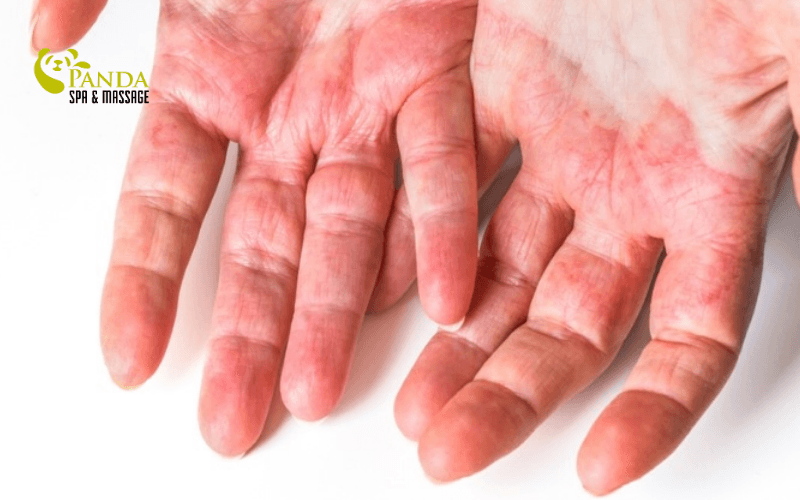
Polluted environment and dust causing hand allergy
Especially, unhygienic tap water containing heavy metals or excess chlorine can also irritate hands after washing. People with sensitive constitutions react very quickly to environmental changes. To limit this issue, maintaining a clean living environment and protecting hands when going out are necessary and effective preventive measures.
2.3 Stress and sleep deprivation weakening hand skin immunity
Few people realize that mental health is closely linked to skin condition. When the body is in prolonged stress or lacks sleep, cortisol levels rise, suppressing immunity and disrupting the skin barrier function. This makes the skin weak, prone to inflammation, and triggers outbreaks of allergy, eczema, or psoriasis even without direct external triggers.

Stress and sleep deprivation weakening hand skin immunity
Lack of sleep also reduces the skin’s ability to self-repair and regenerate cells, causing allergy wounds to heal more slowly. An unscientific lifestyle and irregular diet further aggravate the problem. Therefore, to address hand allergy at the root, besides external skin care, you need to focus on balancing life, keeping the mind relaxed, and getting enough sleep every day.
3. At-Home Treatment Process for Hand Allergy
When allergy signs appear, stay calm and immediately perform first aid and correct home care to soothe the skin and prevent damage from spreading.
3.1 Rinse with cool water and apply soothing cream
The first thing to do is remove the harmful agent from the skin surface. Rinse hands thoroughly under cool running water to wash away chemicals, dust, or allergens. Cool water also soothes burning/stinging and effectively reduces swelling. Absolutely avoid hot water as it dries the skin further and worsens inflammation. After rinsing, gently pat dry with a soft cotton towel—no rubbing.
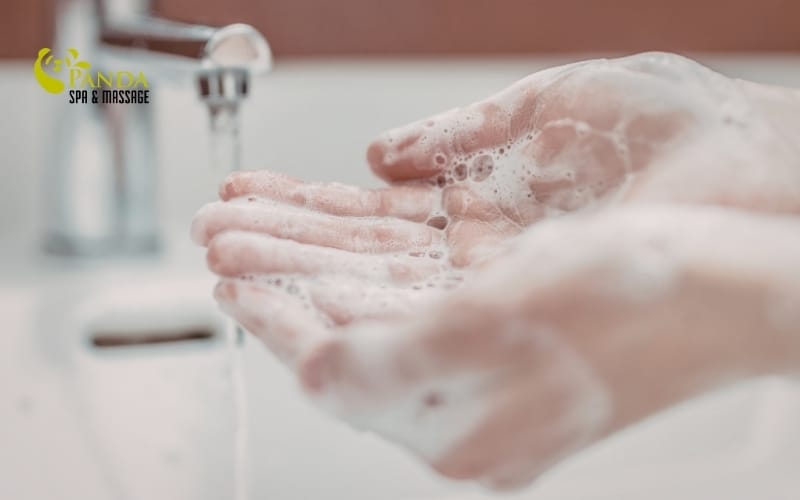
Rinse with cool water and apply soothing cream
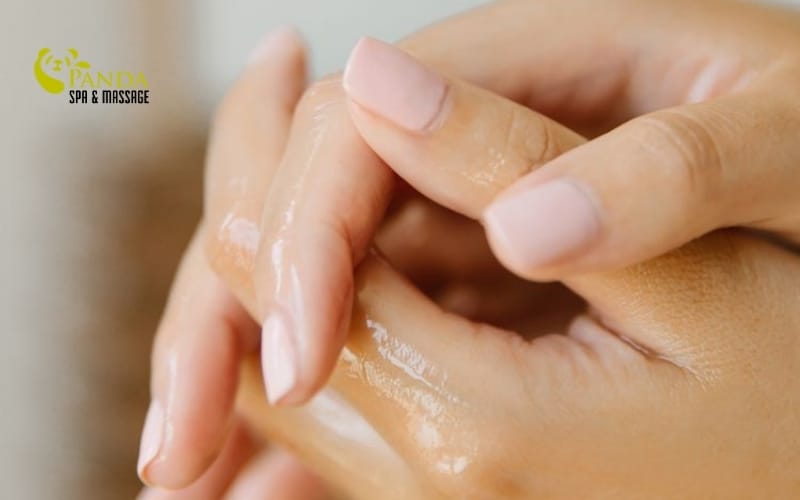
While the skin is still slightly damp, apply a specialized soothing moisturizer for sensitive skin. Creams containing Panthenol (B5), Zinc Oxide, centella asiatica extract, or oatmeal help calm itching, reduce redness, and quickly restore the skin barrier. Frequent application is the key to controlling hand allergy and preventing subsequent dryness, cracking, and peeling.
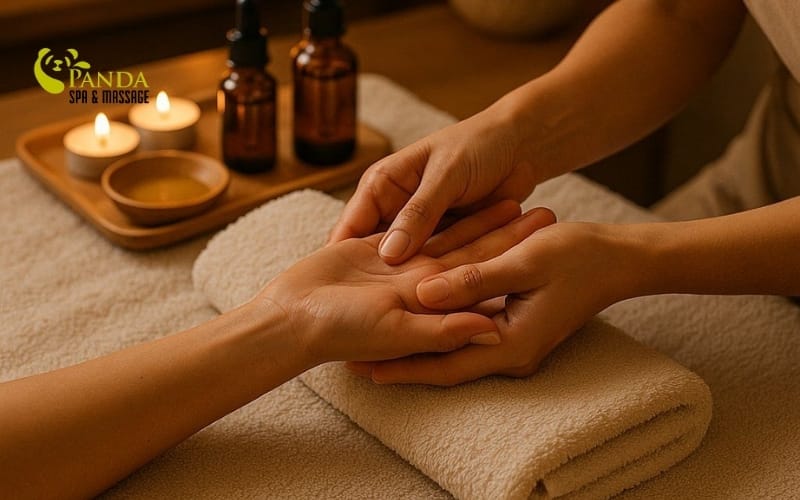
3.2 Gentle hand massage to reduce itching, swelling, and redness
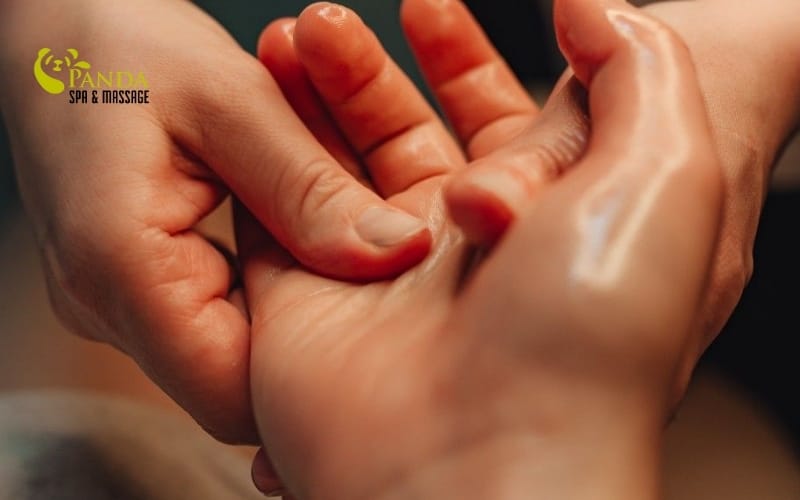
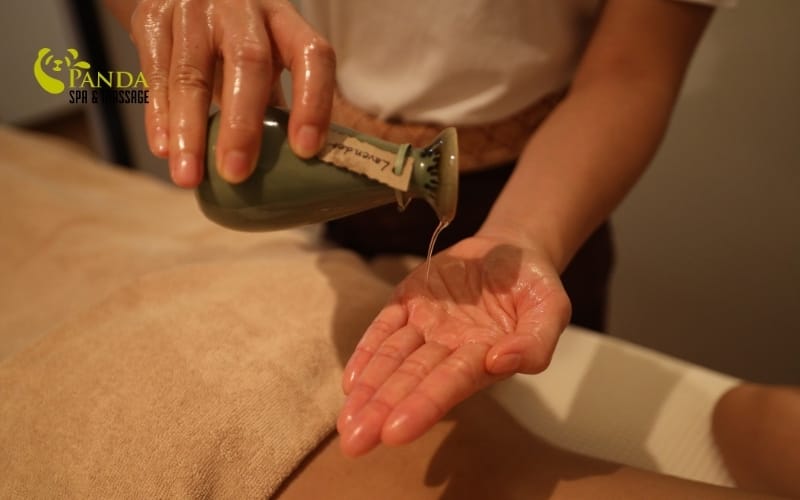
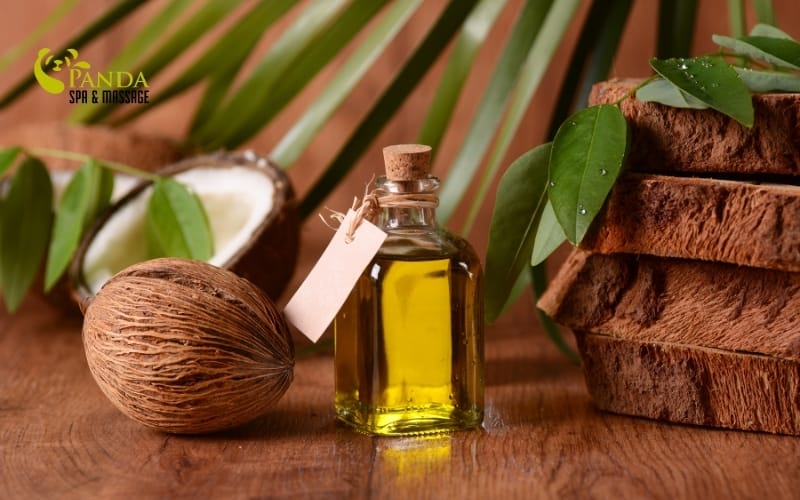
Gentle massage not only helps the moisturizer absorb better but also supports improved blood circulation to reduce inflammation. You can use mild natural oils such as coconut oil or olive oil for massage. Lightly press the palm with your thumb and stroke along the fingers to relax the nerves. Be extremely gentle—avoid scratching or injuring already damaged areas.
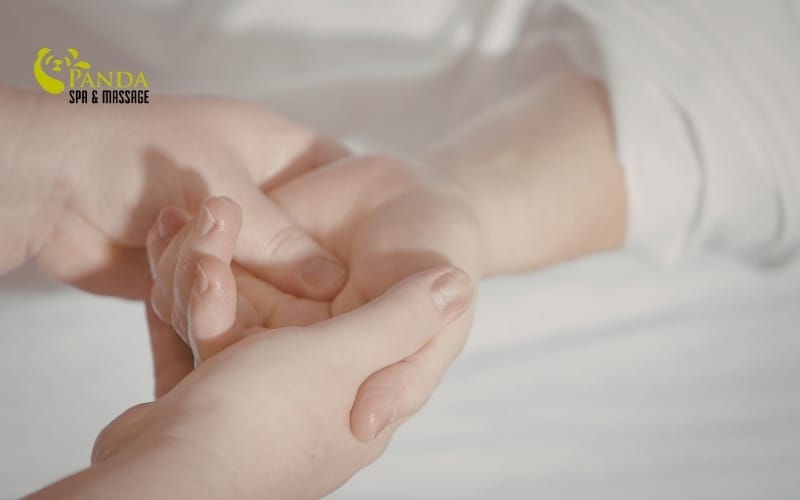
Gentle hand massage to reduce itching, swelling, and redness
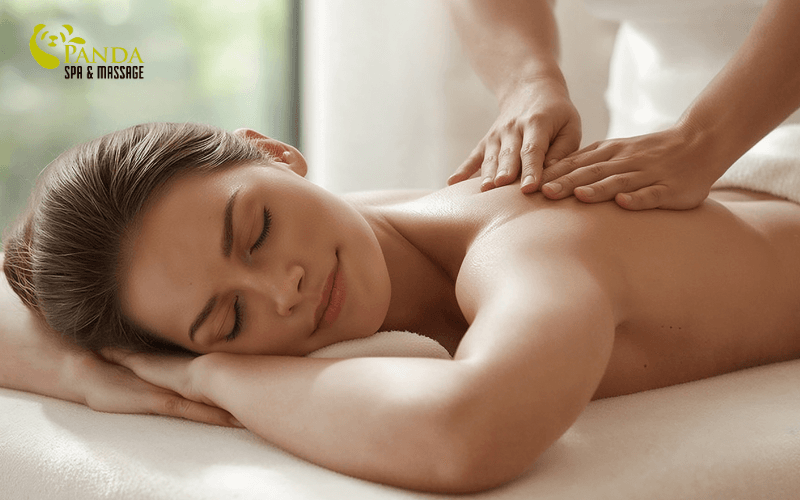
If you are living or traveling in Da Nang, professional Da Nang Massage services at reputable spas are also a good option. However, clearly inform the technician about your skin condition so they can use suitable products and adjust pressure accordingly. Proper massage stimulates the lymphatic system to eliminate toxins, helping the recovery process of hand allergy skin proceed faster.
>>> READ MORE:Peeling Hand Skin: Causes and Quick Recovery Methods
3.3 Overnight cream application with cotton gloves for recovery
Nighttime is the golden period for skin regeneration and healing. For hands with severe irritation, dryness, and cracking, apply the overnight wrap method. Before bed, thickly apply recovery cream or ointment over the entire hand, then wear thin cotton gloves. The gloves keep the cream in place, prevent unconscious scratching during sleep, and create a moist environment for deeper nutrient penetration.
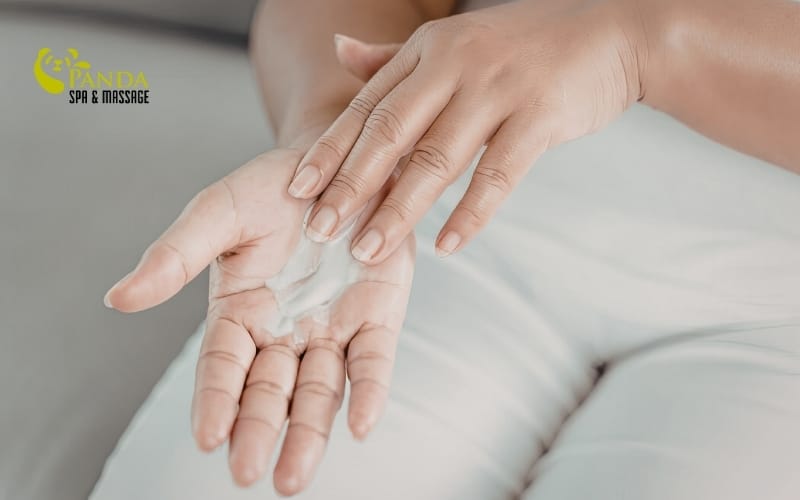
Overnight cream application with cotton gloves for recovery
Upon waking the next morning, you will notice a clear soothing effect on the skin, with reduced tightness and itching. Continuing this habit for several consecutive days will help wounds heal quickly and regenerate healthy new skin. This is a simple yet highly effective intensive home care method for treating and recovering hand allergy.
4. When to Treat Hand Allergy at a Spa
Although home measures can handle mild irritation cases, if the condition persists, recurs frequently, or shows signs of infection such as pus, severe swelling, or sharp pain, you need more advanced solutions. Reputable Da Nang Spa treatments like those at Panda Spa use modern technology and specialized products to support recovery of damaged hand skin.
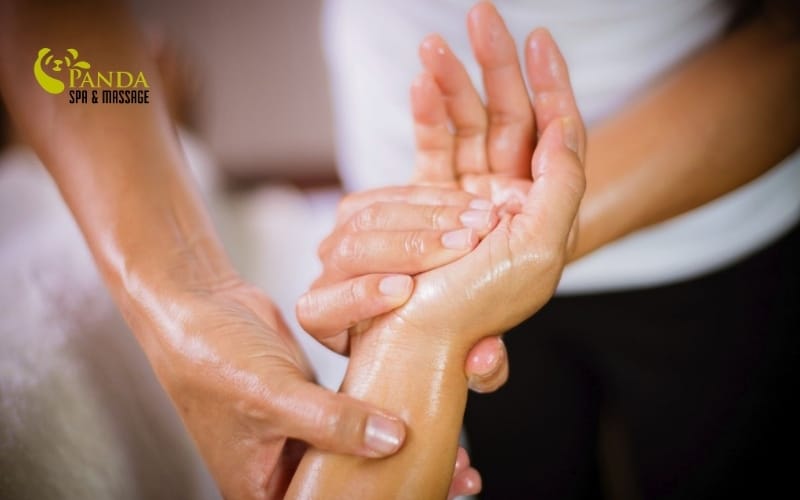
When to Treat Hand Allergy at a Spa
At Panda Spa, we offer herbal soak packages that provide antibacterial, anti-inflammatory, and instant itch relief. The structured care process combined with experienced technicians will help clearly identify your skin condition and provide a suitable care protocol, thoroughly resolving hand allergy and bringing back soft, healthy hands.
>>> READ MORE:Dry Hand Skin: Causes and Effective Recovery Methods
5. FAQ – Common Questions About Hand Allergy
Hand allergy often causes concern due to prolonged or recurrent symptoms such as itching, rashes, and peeling. Below are popular questions to help you better understand and handle the condition correctly.
1. Is hand allergy contagious to others?
If caused by contact dermatitis, weather allergy, or eczema, it is completely non-contagious. However, if due to fungal infection or scabies, it can spread through direct contact. A doctor’s examination is needed to determine the exact cause.
2. Should I soak hands in salt water when having hand allergy?
0.9% physiological saline has mild antiseptic and cleansing effects, which is good for damaged skin. However, avoid using overly concentrated homemade salt water or soaking for too long, as it can dehydrate the skin, cause more dryness and stinging, and worsen hand allergy.
3. What foods should be avoided when having hand allergy?
Limit foods that easily trigger allergies such as seafood, beef, fermented foods, alcohol, and spicy/hot dishes. Increase intake of green vegetables, vitamin C-rich fruits, and plenty of water to help the body detoxify and strengthen skin resistance, quickly reducing uncomfortable symptoms.
6. Conclusion: Daily Care for Allergic Hands
Hand allergy, though troublesome, can be fully controlled and completely treated if you know how to care for and protect your skin correctly. Listen to your skin, stay away from harmful triggers, and maintain scientific daily care habits. If you need dedicated consultation and support to restore beautiful hands, don’t hesitate to visit Panda Spa to experience the best hand care services in Da Nang.
>>> READ MORE:Safe and Effective Ways to Prevent Hand Wrinkles
———————————————————————
CONTACT NOW
Hotline: 038.3967.775 / 070.818.5397
Email: booking@pandaspa.vn
Messenger: Panda Spa Da Nang
Kakao Talk: Panda Spa Da Nang
Naver: Panda Spa Da Nang
Tripadvisor: Panda Spa & Massage In Danang City
Address 1: 229 Nguyen Van Thoai, Son Tra – Da Nang
Address 2: 225 Nguyen Van Thoai, Son Tra – Da Nang
Next