What Is Shiatsu Massage? Explore the Art of Japanese Massage
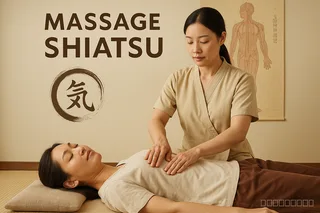
Shiatsu is a body care technique originating from Japan, known for applying controlled pressure to specific areas of the body. So, what is shiatsu massage, how does this method work, and what makes it different from conventional massage? This article from Panda Spa Da Nang will help you explore its origins, techniques, relaxation benefits, and important considerations before experiencing a session.
1. What Is Shiatsu Massage? Its Origins in Japan
What is shiatsu massage? Shiatsu is a massage technique originating from Japan that uses the fingers, thumbs, and palms to apply controlled pressure to specific areas of the body. This technique is often combined with gentle stretching movements to promote muscle relaxation, reduce feelings of stiffness, and enhance comfort. In Japanese, "Shi" means finger, while "Atsu" means pressure. The name reflects the defining characteristic of this method: applying pressure to the body rather than primarily relying on continuous rubbing or stroking movements across the skin.
To better understand the origins of shiatsu massage, it is important to look at the development of traditional body care practices in Japan. Shiatsu was influenced by Anma, a traditional Japanese massage practice historically connected to Eastern massage techniques. Over time, Shiatsu gradually developed its own system of techniques, emphasizing the application of pressure, body positioning, and coordination between different movements. Today, Shiatsu is recognized as a form of body care and relaxation. However, it does not replace medical examinations or treatment when a person has health concerns.
2. Principles and Characteristics of Shiatsu Massage
The defining feature of Shiatsu lies in applying pressure to the body, with the intensity adjusted according to the area being treated and the recipient's response. To understand how this technique works, it is important to distinguish between the traditional theory of acupressure points and meridians and the actual mechanical effects of pressure on soft tissues.
2.1 Applying Pressure to Acupressure Points and Meridians
When exploring what is shiatsu massage, readers often encounter the concept of "Ki" energy. According to traditional Japanese beliefs, Ki is thought to flow throughout the body and is associated with maintaining balance. However, modern science has not confirmed the existence of this meridian system or energy flow as anatomical structures that can be directly measured.
In practice, the practitioner may apply pressure to areas such as the neck, shoulders, back, arms, or legs. These movements may promote relaxation and temporarily relieve discomfort in tense muscle groups. The selection of pressure points should depend on the recipient's pressure tolerance, physical condition, and feedback. Strong pain should not be considered an indication that the technique is working effectively.

2.2 Using Pressure Rather Than Focusing on Stroking Movements
Unlike many relaxation massage techniques that involve continuous gliding movements across the skin, Shiatsu focuses on applying relatively steady pressure to individual areas. Practitioners often use their body weight to regulate the pressure rather than relying solely on finger strength.
Pressure application in Shiatsu has several notable characteristics:
- Controlled pressure: Pressure is applied gradually, allowing the body time to adapt and helping minimize sudden discomfort.
- Brief pressure holds: The practitioner may maintain pressure at one point for a short period before moving to another area.
- Adjustment for different muscle groups: Sensitive areas require gentler treatment than larger muscle groups.
- Rhythmic coordination: Transitions between pressure points are performed smoothly and continuously without rushing.
By using pressure in a deliberate and controlled manner, Shiatsu creates a different experience from massage techniques that primarily emphasize movements across the skin. Nevertheless, the level of comfort still depends on the practitioner's technique and each individual's physical characteristics.

3. How Is Shiatsu Massage Performed?
A Shiatsu session typically combines pressing techniques, sustained pressure, and gentle body stretching. The specific approach may vary depending on the school of Shiatsu, the recipient's relaxation needs, and their overall health condition.
3.1 Applying Pressure with Fingers, Thumbs, and Palms
When explaining what is shiatsu massage from a technical perspective, one of the most important aspects is how practitioners use different parts of their hands to transfer pressure to the body. The practitioner should maintain a stable posture, control the direction of pressure, and avoid sudden or excessive force.
Commonly used techniques include:
- Thumb pressure: Applying controlled pressure to relatively small areas that require precision and careful adjustment.
- Finger pressure: Distributing pressure across suitable points while allowing the practitioner to observe how the soft tissues respond.
- Palm pressure: Applying pressure over a broader surface area, often suitable for larger muscle groups such as those in the back or thighs.
- Sustained pressure: Holding pressure for an appropriate period before gradually releasing it.
- Moving between pressure points: Progressing systematically between different areas of the body while avoiding prolonged pressure on sensitive points.
During the session, the recipient should inform the practitioner immediately if they experience sharp pain, numbness, or unusual discomfort. Such feedback helps the practitioner adjust the technique rather than continuing to increase pressure under the assumption that stronger pressure produces better results.
3.2 Combining Gentle Stretching and Joint Movements
In addition to pressure techniques, Shiatsu may incorporate passive stretching movements. These techniques aim to help the body change positions gently and support a feeling of flexibility after the muscles have relaxed.
Common movements may include:
- Shoulder stretching: Moving the arms within a comfortable range of motion to help reduce feelings of tension around the shoulders.
- Arm movements: Incorporating gentle movements of the elbows and wrists according to the recipient's mobility.
- Leg stretching: Performing suitable movements based on the flexibility of the thighs and calf muscles.
- Position adjustments: Guiding the recipient to lie on their back, turn onto their side, or change positions to allow access to different areas of the body.
Stretching movements should never exceed the joints' natural range of motion. In particular, individuals with a history of injuries, osteoporosis, or joint problems should have their suitability for these techniques assessed beforehand. The combination of pressure and stretching contributes to the distinctive characteristics of Shiatsu. However, not every massage session needs to include all types of joint movements.
4. What Are the Benefits of Shiatsu Massage?
After understanding what is shiatsu massage and how the technique is performed, many people become interested in its potential benefits. Shiatsu is primarily used to promote relaxation, enhance physical comfort, and temporarily relieve muscle tension. However, individual experiences and results may vary.
Some commonly mentioned benefits of Shiatsu massage include:
- Supporting muscle relaxation: Appropriately adjusted pressure may help reduce feelings of stiffness in frequently strained muscle groups, particularly around the neck, shoulders, and back.
- Reducing feelings of fatigue: Slow, rhythmic movements may create an opportunity for the body to rest after extended periods of work or physical activity.
- Promoting stress relief: A peaceful environment combined with gentle massage techniques may help recipients feel calmer and more comfortable.
- Supporting a sense of flexibility: Stretching movements performed within a safe range may help reduce feelings of stiffness when changing positions.
- Supporting restful relaxation: Some individuals may find it easier to relax before bedtime, although there is insufficient evidence to conclude that Shiatsu can treat sleep disorders.
- Increasing body awareness: Paying attention to sensations in different areas during massage may help recipients identify regions that feel tense or sensitive.
For individuals who spend long hours sitting at work, travel frequently, or simply need time to relax, massage may serve as a complementary body care option. However, anyone experiencing persistent pain, numbness, weakness in the arms or legs, or other unusual symptoms should consult a healthcare professional before undergoing a massage treatment.

5. How Is Shiatsu Massage Different from Regular Massage?
To distinguish what is shiatsu massage from other popular massage techniques, it is important to consider how pressure is applied, the techniques used, and the overall experience. While Shiatsu emphasizes pressing and maintaining pressure on specific areas, Swedish relaxation massage typically involves more stroking, kneading, rubbing, and gliding movements across the skin.
The differences between these two massage techniques are summarized in the following table.
|
Criteria |
Shiatsu Massage |
Swedish Relaxation Massage |
|
Origin |
Japan |
Commonly associated with Western massage traditions |
|
Main techniques |
Pressing, sustained pressure, and stretching |
Stroking, kneading, rubbing, and gliding movements |
|
Areas of focus |
Specific pressure points and muscle groups |
Primarily muscle groups and soft tissues |
|
Use of massage oil |
Usually not required |
Massage oil or lotion is commonly used |
|
Clothing |
Comfortable clothing can generally be worn |
The treated area is usually exposed with appropriate draping |
|
Massage experience |
Focused pressure applied to individual areas |
Continuous movements across muscle groups |
|
Purpose |
Promoting relaxation and reducing feelings of muscle tension |
Promoting relaxation, easing muscle tension, and enhancing comfort |
One important consideration when exploring the origins of shiatsu massage is that this technique developed within the traditions of Japanese body care rather than originating from Western massage systems. Therefore, the differences involve not only the movements themselves but also how the techniques are organized and performed.
At Panda Spa Da Nang, customers can explore body massage, foot massage, and other body care services to choose a suitable relaxation experience. If you are specifically interested in Shiatsu massage, it is advisable to contact the spa in advance to confirm whether this specialized treatment is available and discuss your individual needs.

Understanding what is shiatsu massage helps readers recognize the distinctive pressure and stretching techniques, as well as the potential relaxation benefits of this Japanese body care method. Choosing a suitable treatment should depend on individual needs, pressure tolerance, and overall health rather than simply whether the massage feels strong or gentle. If you are looking for a peaceful place to relax and enjoy body care services in Da Nang, you can explore the massage treatments available at Panda Spa Da Nang for a comfortable and safe relaxation experience.
Frequently Asked Questions (FAQ)
Below are some frequently asked questions to help readers better understand the characteristics of Shiatsu and what to expect from the experience. The answers focus on practical considerations before choosing this massage technique.
1. Does Shiatsu Massage Require Oil?
Shiatsu massage usually does not require oil because the technique primarily involves applying pressure to the body rather than continuously gliding the hands across the skin. Practitioners can perform the massage through lightweight, comfortable clothing while maintaining appropriate pressure. This is also an important characteristic when explaining what is shiatsu massage in practice. Unlike oil-based massage treatments, Shiatsu does not depend on lubricating products to perform its fundamental techniques.
2. Do You Need to Remove Your Clothes for Shiatsu Massage?
Generally, people receiving Shiatsu massage do not need to remove their clothing because the technique can be performed through fabric. Loose, soft, and appropriately stretchy clothing allows recipients to change positions comfortably throughout the session. Tight clothing, garments with rigid accessories, or items that restrict movement may reduce comfort. It is also advisable to remove unnecessary accessories such as watches, belts, or objects that could create pressure against the skin.
3. Is Shiatsu Massage the Same as Acupressure?
When considering what is shiatsu massage from a practical perspective, Shiatsu involves more than simply applying pressure to specific points. It may also incorporate stretching, position adjustments, and gentle joint movements. Traditional acupressure, meanwhile, generally focuses on particular points identified according to its respective theoretical systems. Both techniques should be performed with appropriate pressure, avoiding excessive force on injured areas. Individuals with underlying health conditions, those who are pregnant, or people experiencing joint and bone-related problems should seek professional advice before receiving either treatment.
CONTACT NOW
All core contact channels are grouped here so visitors can book or ask quickly.
- Hotline+84 70 818 5397
- Emailbooking@pandaspa.vn
- MessengerPanda Spa
- Kakao TalkPanda Spa
- NaverPanda Spa
- TripadvisorPanda Spa & Massage In Danang City
- Panda Spa & Massage229 Nguyen Van Thoai, An Hai, Da Nang 550000, Viet Nam
- Panda Relax Spa225c Nguyen Van Thoai, An Hai, Da Nang 550000, Viet Nam
Panda Spa has two branches on Nguyen Van Thoai street (229 & 225C), close to My Khe beach. Our therapists and receptionists share what they learn from guests every day.