Benefits of Body Massage: Effects, Types & Safety Tips

Body massage is one of the popular body care methods chosen by many people for its ability to promote relaxation, ease feelings of muscle tension, and provide much-needed time for rest. However, the benefits of body massage depend on the techniques used, pressure applied, session duration, and each individual's physical condition. Join Panda Spa Da Nang to explore the practical benefits of body massage, how to choose a suitable treatment, and important precautions before your experience.
1. What Are the Benefits of Body Massage?
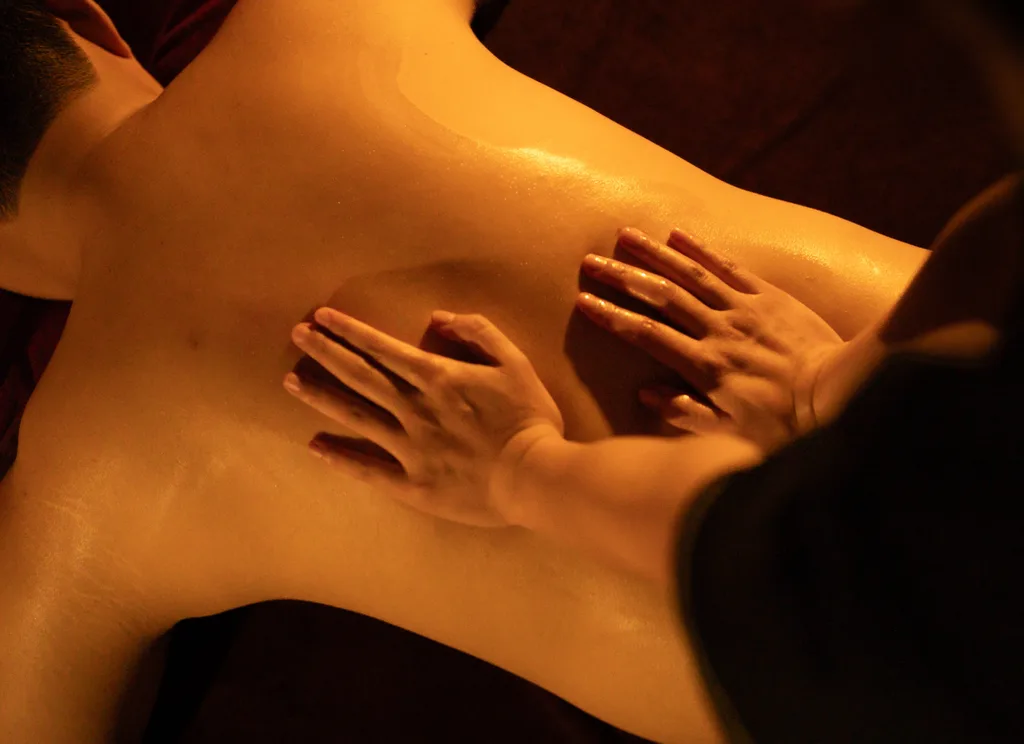
What are the benefits of body massage? Body massage is a body care method that uses techniques such as stroking, kneading, pressing, and gentle stretching on muscles and soft tissues. These movements may help relax muscles, ease feelings of stiffness, create a sense of comfort, and relieve physical tension after work or exercise. The specific effects depend on the massage techniques, pressure intensity, and individual physical condition.
Some commonly recognized benefits of body massage include:
- Promoting muscle relaxation: Gentle rubbing and kneading movements help tense muscle groups feel more relaxed.
- Reducing feelings of muscle fatigue: A suitable massage may help the body feel more comfortable after exercise, work, or remaining in the same position for an extended period.
- Encouraging mental relaxation: A peaceful environment and dedicated rest time during a treatment can help reduce everyday feelings of stress.
- Supporting a sense of improved circulation: Gentle massage movements may create a pleasant feeling of warmth and comfort in the treated areas.
- Supporting flexibility: Certain massage and gentle stretching techniques may help the body feel more comfortable during movement.
- Creating opportunities for rest: A suitable massage session allows individuals to dedicate time to self-care and restore their sense of energy after a busy schedule.
Therefore, the benefits of body massage extend beyond physical comfort in individual muscle groups to include an overall relaxation experience. To achieve a suitable outcome, it is important to consider the techniques, duration, and treatment conditions rather than choosing a service based solely on its name.

2. Factors That Influence the Benefits of Body Massage
Not every massage session produces the same experience. The results depend on several factors, including the therapist's techniques, session duration, massage frequency, and treatment environment. Understanding these factors helps customers choose treatments that better match their individual needs.
2.1 Massage Techniques and Pressure
Massage techniques and pressure are two factors that directly influence how the body feels throughout a treatment. Each movement affects the skin, soft tissues, and muscle groups differently. Therefore, techniques should be selected according to the areas requiring relaxation and the individual's tolerance for pressure.
Some common body massage techniques include:
- Effleurage: Using the palms or fingertips to move gently across the skin. This technique is commonly used to introduce the body to massage, distribute massage oil, and create an initial feeling of relaxation.
- Petrissage: Using the hands to gently lift, squeeze, or knead soft tissues. This technique is often applied to muscle groups in the shoulders, back, and legs to encourage relaxation.
- Friction: Applying controlled rubbing movements to a specific area. The pressure should be adjusted appropriately to avoid discomfort or irritation.
- Acupressure: Using fingers, palms, or elbows to apply pressure to selected points on the body. The intensity must be controlled, and individuals should not force themselves to tolerate pain during the treatment.
- Stretching: Performing gentle stretching movements to support a sense of flexibility and relaxation in suitable muscle groups.
Stronger massage pressure does not necessarily produce better results. If the pressure is too light, the customer may not experience the desired sensation. Conversely, excessive pressure may cause pain, bruising, or discomfort. Customers should therefore discuss their pressure tolerance with the therapist and immediately report any unusual pain.

2.2 Massage Duration and Frequency
When exploring the benefits of body massage, customers should also consider their body care needs and a suitable treatment frequency based on their physical condition. People who regularly work at computers may prefer treatments focusing on the neck, shoulders, and back. Meanwhile, those who frequently walk, exercise, or travel may be more interested in relaxing the muscles of the legs and back.
There is no fixed massage frequency suitable for everyone. It should be adjusted according to daily routines, available time, and how the body feels after each session. If persistent pain, swelling, numbness, or restricted movement occurs, customers should consult a healthcare professional before continuing massage treatments.

2.3 Treatment Environment and Products Used
The treatment environment and products used also significantly influence the body massage experience. A clean, quiet setting with a comfortable temperature and adequate privacy can help customers relax throughout their treatment.
In addition to the environment, massage products should be suitable for the customer's skin type and individual needs. Massage oils and essential oils are commonly used to support smooth stroking movements and reduce friction between the therapist's hands and the skin. However, people with sensitive skin or a history of allergies should inform the therapist in advance to receive advice on suitable products.
Some important criteria to consider when choosing a massage establishment include:
- Cleanliness: Massage rooms, towels, bed linens, and equipment should be kept clean.
- Privacy: A suitable private environment allows customers to rest comfortably throughout the treatment.
- Clearly identified products: Products should have appropriate information about their origin and ingredients and should be selected according to skin condition.
- Massage room conditions: Temperature, lighting, and sound should create a comfortable atmosphere.
- Therapist professionalism: Therapists should communicate clearly, listen to customer feedback, and adjust their techniques accordingly.
Together with appropriate techniques, these factors contribute to a more comfortable and safer massage experience. Therefore, customers should evaluate overall service quality rather than focusing only on session duration or massage pressure.

3. Which Type of Body Massage Should You Choose for Your Desired Benefits?
Each massage method has its own characteristics and techniques. Therefore, choosing the right treatment should begin with your actual needs: whether you want gentle relaxation, care for frequently tense muscles, or an experience involving stretching techniques. Clearly identifying your preferences makes it easier to communicate with the therapist and select a suitable treatment.
You can refer to the following popular massage methods:
|
Massage Type |
Main Characteristics |
Suitable Needs |
|
Aroma Massage |
Combines gentle stroking movements with massage oils or essential oils. |
Gentle relaxation and relief from feelings of stress. |
|
Thai Massage |
Combines pressure techniques, stretching, and assisted body movements. |
People who want to experience stretching techniques and muscle-focused massage. |
|
Shiatsu Massage |
Uses controlled pressure applied with fingers and palms to specific areas of the body. |
People who enjoy controlled acupressure techniques. |
|
Hot Stone Massage |
Uses warmed stones in combination with massage techniques. |
People who enjoy warmth and relaxation. |
|
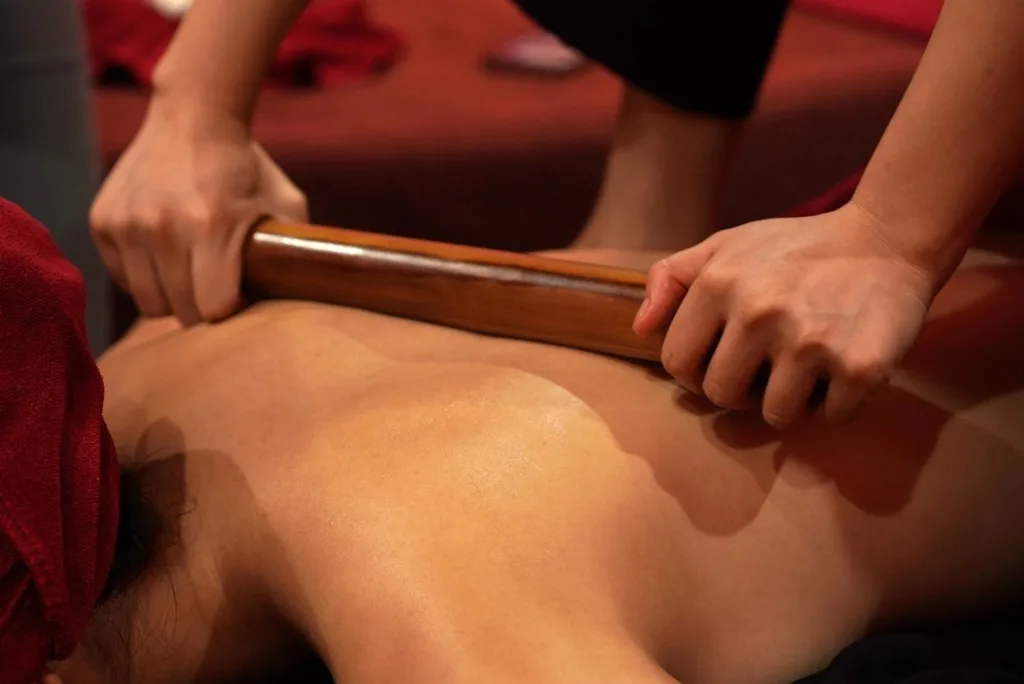
Hot Bamboo Massage |
Combines warmed bamboo tools with rolling, gliding, or pressing movements. |
People interested in experiencing massage with specialized tools. |
If you have never experienced massage before or are unsure which method is suitable, you can begin by discussing your needs with a therapist. For example, people who spend long hours sitting at work may prefer a treatment focusing on the neck, shoulders, and back. Those who travel frequently may be more concerned about fatigue in their legs.
You should avoid choosing an intensive massage treatment without first understanding your physical condition and tolerance for pressure.
4. Who Should and Should Not Get a Body Massage?
Body massage may be suitable for many people seeking relaxation and body care. However, massage is not appropriate for everyone at all times, particularly when the body is recovering from an injury or experiencing a health condition that requires medical attention.
4.1 Who Can Benefit from Body Massage?
People who regularly maintain the same posture, engage in frequent physical activity, or need time to rest after a busy schedule may consider body massage. When performed with suitable techniques and pressure, massage may help relax muscles and improve overall comfort.
Some groups who may consider body massage include:
- Office workers: People who sit for long periods, rarely change their posture, and experience stiffness in the neck, shoulders, or back.
- People who stand for extended periods: Individuals working in service industries, retail, or other jobs requiring prolonged standing may want to focus on their legs and back.
- Physically active individuals: People who regularly exercise or participate in sports may choose gentle massage to relax muscle groups after physical activity.
- Travelers: People who spend considerable time traveling, walking, or participating in daily activities may benefit from dedicated rest and relaxation time.
- People experiencing work-related stress: Individuals who want to dedicate time to self-care and reduce everyday feelings of tension.
- People seeking regular body care: Those who want to maintain relaxation habits and pay attention to their physical comfort.
Regardless of which group you belong to, it is important to choose massage techniques and pressure levels that suit your physical condition. If you experience unusual pain or have an undiagnosed health problem, massage should not be used as a substitute for medical examination or treatment.
4.2 When Should You Be Cautious About Body Massage?
Certain health conditions may make massage unsuitable or require adjustments to the techniques used. Before booking an appointment, customers should provide the spa with relevant information about their physical condition to receive appropriate advice and avoid unnecessary risks.
Situations requiring particular caution include:
- Fever or infectious illness: Postpone the massage session and prioritize rest and appropriate healthcare.
- Open wounds or inflamed skin: Avoid massaging directly over damaged areas to prevent further irritation or complications.
- Recent injuries: Areas affected by sprains, acute muscle strains, bruising, swelling, or pain should be assessed before massage.
- Vascular conditions or risk of blood clots: Consult a doctor before receiving massage treatment.
- Pregnancy: Seek advice from a healthcare professional and choose only massage methods appropriate for pregnancy.
- Underlying medical conditions or ongoing treatment: Inform the massage establishment and follow guidance from a healthcare professional.
- History of allergies: Discuss massage oils, essential oils, and other ingredients that may come into contact with your skin before the session.
If you experience sharp pain, dizziness, discomfort, numbness, or any unusual reaction during a massage, ask the therapist to stop the treatment immediately.
Taking appropriate precautions before massage helps reduce risks and ensures that the experience better suits your health condition. This is also an important consideration when exploring the benefits of body massage, as relaxation benefits depend on selecting techniques and pressure levels appropriate for each individual.
5. Tips to Maximize the Benefits of Body Massage
In addition to understanding the benefits of body massage, customers should prepare properly and communicate their needs before beginning a treatment. Information about physical condition, muscle areas requiring attention, and pressure tolerance helps therapists adjust their techniques to provide a more suitable experience.
5.1 Discuss Your Physical Condition with the Therapist Before Massage
Communication before a massage session is an important step that helps the therapist understand your needs and any limitations that should be considered during the treatment. Customers should not overlook information about health conditions, injuries, or sensitive areas of the body, even if these concerns seem minor.
Before the treatment begins, you should proactively share the following information:
- Areas requiring attention: Identify areas that frequently feel tired or tense, such as the neck, shoulders, back, lower back, or legs.
- Pressure tolerance: Inform the therapist if your body is sensitive, you experience pain easily, or you are not accustomed to strong massage pressure.
- History of injuries: Mention any areas previously affected by sprains, muscle strains, surgery, or injuries that are still healing.
- Health conditions: Disclose underlying medical conditions, skin concerns, or health issues that require medical monitoring.
- Product allergies: Inform the therapist if you have previously experienced allergic reactions to massage oils, essential oils, or cosmetic ingredients.
- Personal preferences: Explain whether you prefer gentle relaxation, focused muscle care, or a specific massage technique.
This information gives the therapist a better basis for adjusting massage techniques and selecting a suitable treatment. It also helps customers understand the benefits of body massage through appropriate care for tense muscle groups.
Customers should continue communicating with the therapist throughout the session rather than tolerating pain or discomfort.

5.2 Choose a Suitable Massage Treatment and Pressure Level
Choosing a massage treatment should not depend solely on its name or popularity. Everyone has different body care needs, so it is important to consider the areas you want to relax, your tolerance for pressure, and your overall health condition before making a decision.
Some useful principles when choosing a body massage include:
- Identify your main needs: If you want full-body relaxation, consider an aroma massage. If you enjoy stretching movements, you may want to explore traditional Thai massage.
- Choose a comfortable pressure level: First-time customers should consider starting with light or moderate pressure and adjusting it according to their comfort.
- Do not associate pain with effectiveness: Massage does not need to be painful to provide benefits. Sharp pain or discomfort indicates that the treatment should be stopped or the pressure reduced.
- Pay attention to sensitive areas: Avoid applying direct pressure to injured, swollen, or inflamed areas of the body.
- Discuss the products used: If you have sensitive skin, ask about the massage oils or essential oils used during the treatment.
- Choose a suitable establishment: Prioritize massage providers with clean facilities, clear service information, and staff who are willing to listen to customer feedback.
After selecting a treatment, customers should pay attention to how their bodies feel during and after the massage. This feedback can help them make better choices for future sessions.
A suitable massage should promote comfort and relaxation without causing additional pain or prolonged discomfort.
6. Experience Relaxing Body Massage at Panda Spa
If you are looking for a massage destination in Da Nang, you can explore the body care and relaxation services offered by Panda Spa & Massage Da Nang. Panda Spa currently has two branches at 225 and 229 Nguyen Van Thoai Street, near My Khe Beach, making it convenient for both local residents and travelers who want to include relaxation in their schedules.
Panda Spa also provides several amenities to enhance the customer experience:
- Private massage rooms: Provide a comfortable and private environment where customers can relax throughout their treatments.
- Private shower facilities: Allow customers to conveniently freshen up before or after using spa services.
- Complimentary transportation: Available for treatments lasting 90 minutes or longer, depending on the service area and the spa's applicable conditions.
- Free luggage storage: Convenient for travelers who need to store their luggage before hotel check-in, after check-out, or while preparing to go to the airport.
- Childcare assistance: Customers can contact the spa in advance to discuss available childcare support arrangements.
- Light refreshments after treatment: Give customers additional time to rest before continuing their schedules.
- Tips included in the price: Help customers better plan their expenses when choosing spa services.
When visiting Panda Spa, customers should share their preferences and any relevant health concerns with the staff before beginning a treatment. This helps the consultation process and treatment selection better reflect their actual needs while reducing the risk of unsuitable pressure or techniques.

Understanding the benefits of body massage helps individuals choose relaxation methods that suit their needs and physical condition while developing safer body care habits. The overall experience depends on massage techniques, pressure intensity, and communication between customers and therapists before, during, and after treatment. If you are looking for a relaxing environment in Da Nang, explore the massage services available at Panda Spa Da Nang and speak with the staff to find a treatment that best suits your preferences.
CONTACT NOW
All core contact channels are grouped here so visitors can book or ask quickly.
- Hotline+84 70 818 5397
- Emailbooking@pandaspa.vn
- MessengerPanda Spa
- Kakao TalkPanda Spa
- NaverPanda Spa
- TripadvisorPanda Spa & Massage In Danang City
- Panda Spa & Massage229 Nguyen Van Thoai, An Hai, Da Nang 550000, Viet Nam
- Panda Relax Spa225c Nguyen Van Thoai, An Hai, Da Nang 550000, Viet Nam
Panda Spa has two branches on Nguyen Van Thoai street (229 & 225C), close to My Khe beach. Our therapists and receptionists share what they learn from guests every day.