Can Pregnant Women Get Neck and Shoulder Massages? Detailed Answers
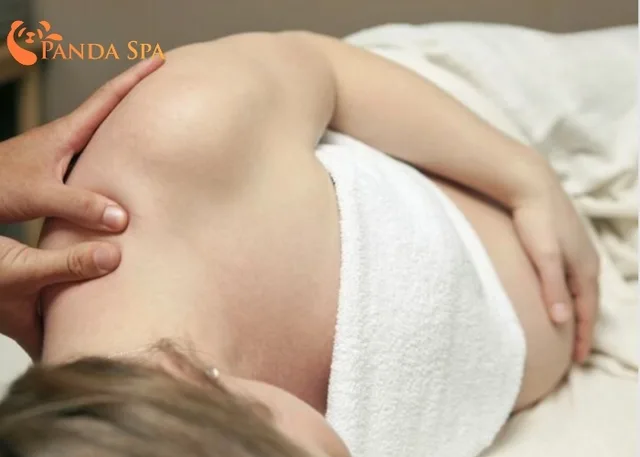
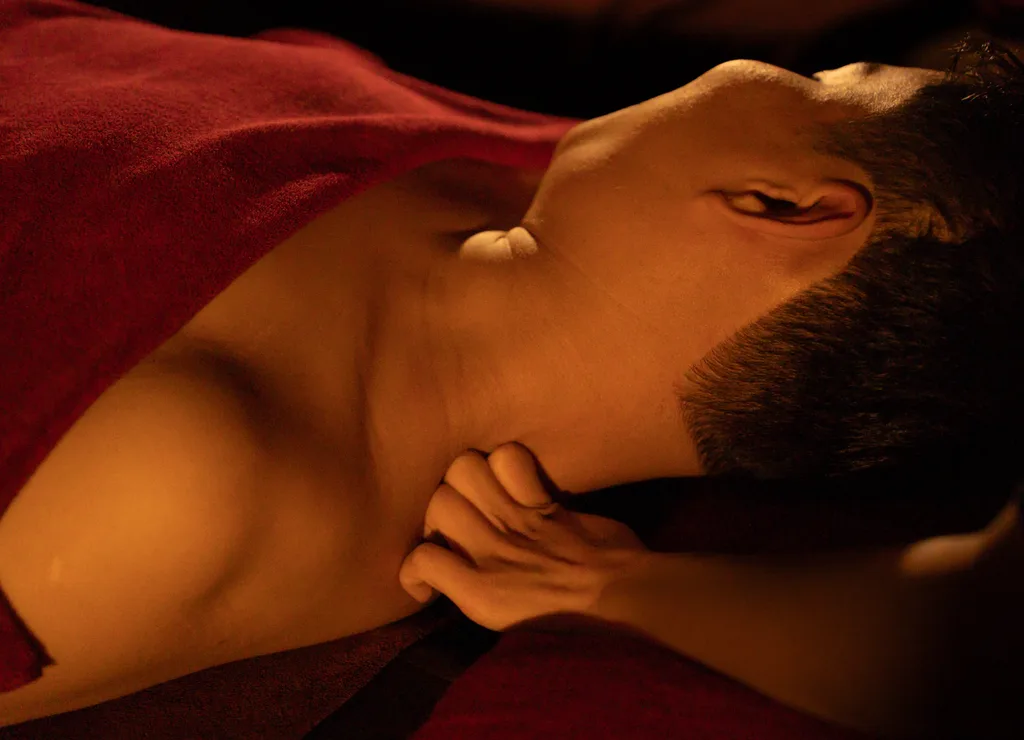
The question can pregnant women get neck and shoulder massage often arises when mothers-to-be feel tension and fatigue in their neck, shoulders, and back during physical changes. A gentle massage can be a suitable relaxing option for some pregnant women with a stable pregnancy. However, the pressure, position, and health condition must be considered before proceeding. Let's join Panda Spa to explore important considerations for gentle neck and shoulder care during pregnancy.
1. Answering: Can pregnant women get a neck and shoulder massage?
During pregnancy, hormonal changes and a shift in the body's center of gravity can alter a pregnant woman's standing, sitting, or lying posture. Therefore, feelings of tension and fatigue in the neck, shoulders, and back may occur more frequently.
So, can pregnant women get a neck and shoulder massage? Generally, some mothers-to-be with stable pregnancies can receive gentle massages if there are no medical contraindications. Prenatal massage is usually adjusted with lighter pressure compared to many common forms of massage.
The goal should be to help the body relax, not to use strong pressure to treat pain. If the pain is prolonged, severe, or accompanied by unusual symptoms, the mother should be evaluated by a healthcare professional rather than relying solely on massage.
2. The right time for a neck and shoulder massage
There is no fixed milestone of pregnancy that is considered suitable for all mothers. Massage should be based on health status, pregnancy progression, and a doctor's guidance.
2.1. Can pregnant women get a neck and shoulder massage in the first trimester?
The first trimester is a period of many bodily changes. Some pregnant women may be more sensitive to scents, touch, or experience nausea and fatigue.

If they want a massage during this stage, pregnant women should consult their doctor first, especially if they have unusual symptoms or a pregnancy that requires special monitoring. If approved, gentle movements should be prioritized, and they should stop immediately if feeling uncomfortable.
2.2. Second and third trimesters of pregnancy
As the pregnancy progresses, mothers may feel neck, shoulder, or back fatigue more clearly due to bodily changes. Gentle massage can be considered as a form of relaxation if the pregnancy is stable and there are no contraindications.

In the third trimester, the massage position needs to be adjusted so the mother feels comfortable and is fully supported. If there is a high-risk pregnancy or specific health issues, ask a doctor before getting a massage.
3. Important safety precautions for pregnant women
Massage for pregnant women requires strict standards to ensure maximum safety for both mother and baby. Below are key principles regarding position, posture, and pressure that pregnant women need to understand clearly before getting a prenatal massage.
3.1. Acupressure points to strictly avoid touching
Do not attempt deep acupressure or apply strong pressure to a specific point intending to "release the meridian" while pregnant.
In particular, do not rely on hearsay suggesting that a certain point will definitely cause uterine contractions or labor. For the neck and shoulder area, a safe neck and shoulder massage method for pregnant women is to use light pressure on the outer muscle groups and avoid movements that cause pain. The practitioner should also not suddenly crack, twist, or rotate the neck. If the mother feels pain or discomfort, the procedure must be stopped.

3.2. Posture and pressure during massage
Posture and massage pressure should be adjusted according to gestational age and the pregnant woman's actual sensations.
-
Posture: A chair with back support or pillows can be used so the mother feels stable. When lying down is necessary, the position should be adjusted so the body is supported and does not cause discomfort.
-
Pressure: Prioritize slow, gentle, and steady movements. Do not punch, squeeze deeply, or perform painful movements.
-
Feedback during the session: The mother should speak up immediately if the pressure is too strong, the posture is uncomfortable, or if any unusual sensations occur.
-
Duration: There is no fixed duration suitable for everyone. The massage session should be adjusted according to the condition and tolerance of each pregnant woman.
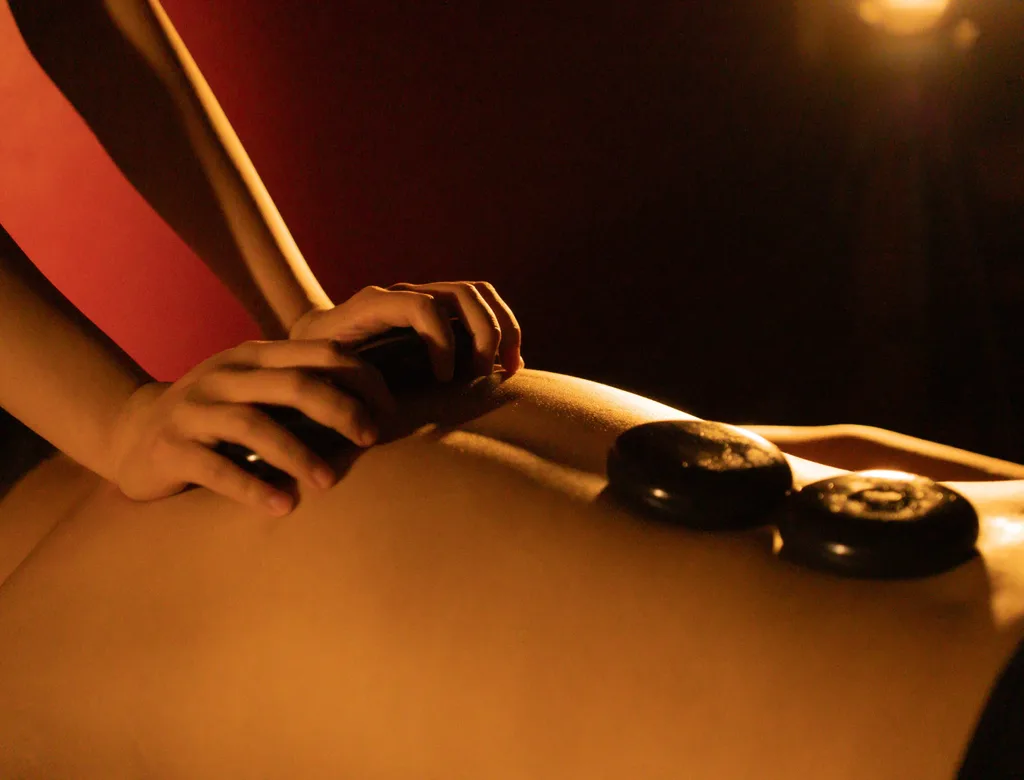
Prenatal massage usually uses light pressure and supportive items to help the body align and be better supported.
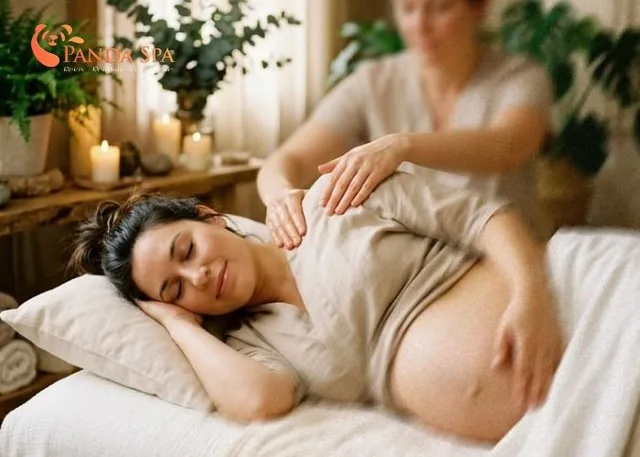
4. Guide on how to massage the neck and shoulders for pregnant women at home
If the pregnancy is stable and a doctor has given consent, a loved one can help the mother relax her neck and shoulder area with simple movements. The goal of an at-home massage is to create a sense of comfort, not trying to use strong pressure to treat pain. If the pain is prolonged or worsens, the mother should seek medical advice.
4.1. Preparing the space and suitable essential oils
-
Space: Choose a clean, airy place with a comfortable temperature. The mother should be placed in a stable position and can change when needed.
-
Massage oil: If using oil, check the ingredients and potential for irritation before use. Not all naturally sourced products are suitable during pregnancy.
-
Scent: If the mother is sensitive to smells or is nauseous, it may be best to avoid essential oils or choose an unscented product.
If using aromatherapy or essential oils, the NHS recommends pregnant women inform their doctor, midwife, or pharmacist and choose an appropriately qualified practitioner.

4.2. Steps to safely massage the neck and shoulders for pregnant women
After choosing a comfortable posture, the helper can follow this how to massage the neck and shoulders guide for pregnant women using the following gentle movements:
-
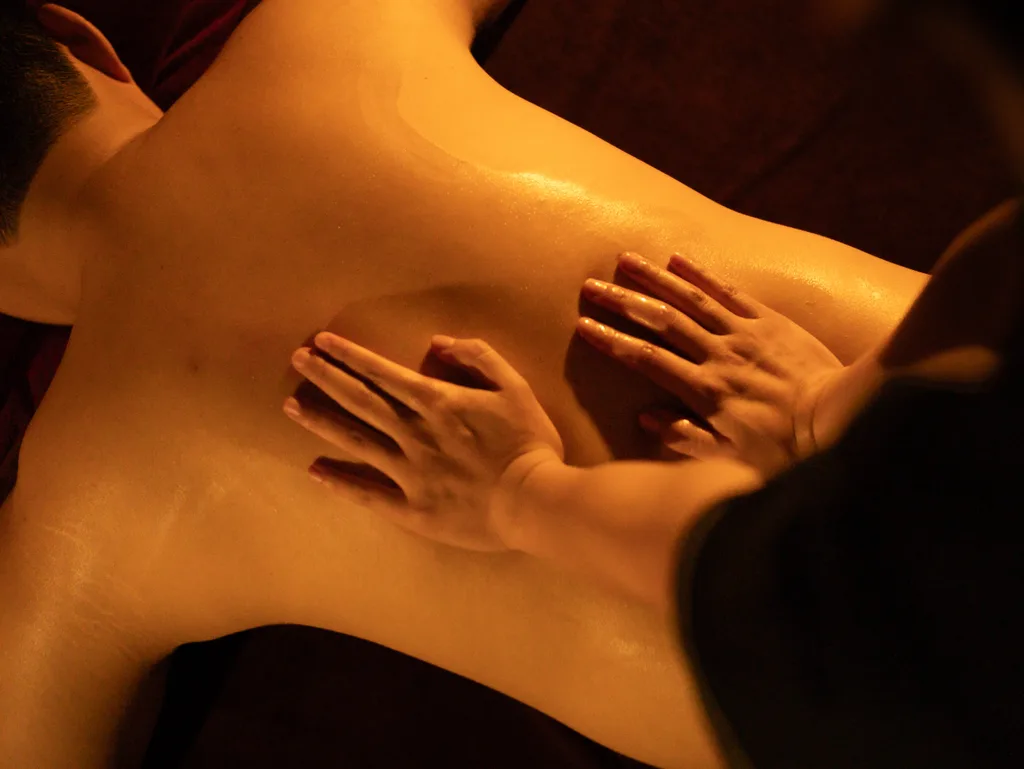
Step 1: Getting accustomed: Lightly place palms on the shoulder area and move slowly from the neck out to the shoulders. Do this a few times so the mother gets used to the pressure.
-
Step 2: Rubbing the shoulder area: Use the palms or fingers to gently rub the outer shoulder muscles. There's no need to press deeply or try to find a pain point to apply strong force.
-
Step 3: Relaxing the neck area: Use fingertips to perform small, light movements on the muscles on both sides of the neck. Avoid pressing hard on the front of the neck or suddenly cracking/rotating the neck.
Throughout the process, ask the mother about her feelings and adjust the pressure as needed. If pain, dizziness, nausea, or any unusual symptoms appear, the massage must be stopped.
5. Neck and shoulder relaxation for pregnant women with safe massage services at Panda Spa
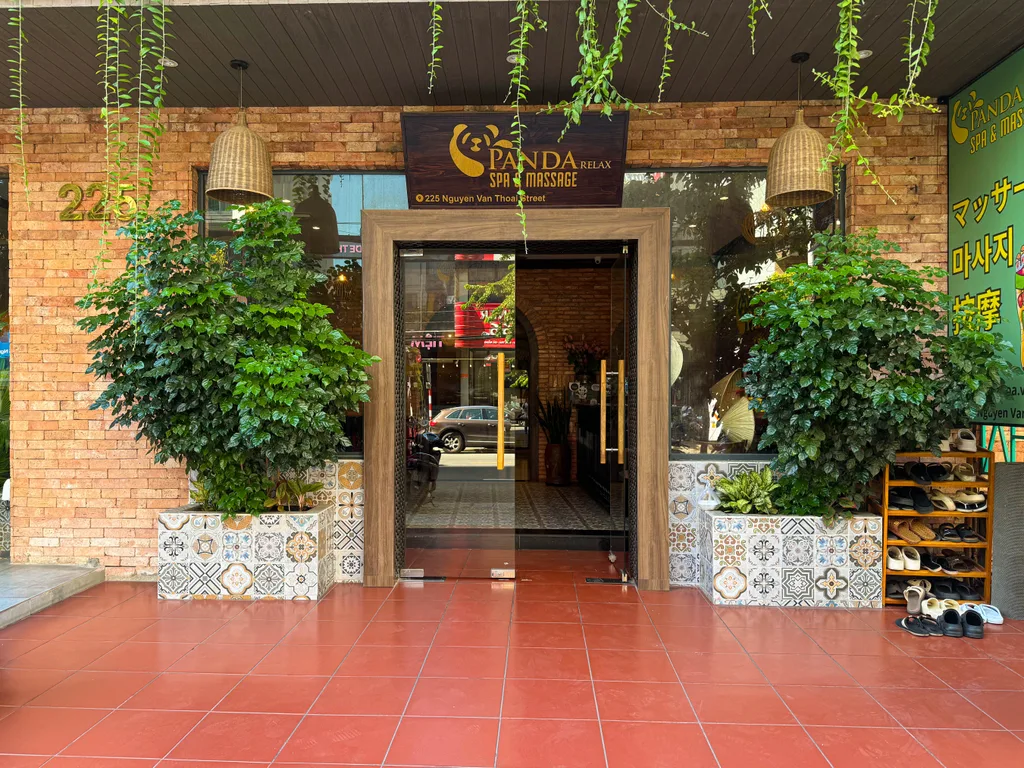
For pregnant women living in or traveling to Da Nang, choosing a spa that has a clear consultation process and respects the guest's comfort limits should be a priority.

At Panda Spa, pregnant women can consult in advance with the therapist about their gestational age, the areas of fatigue, and the desired level of pressure. This information helps the care session be better tailored to actual needs. In addition, mothers-to-be can combine this with Panda Spa's foot massage service for pregnant women to effectively reduce full-body aches.
Some principles prioritized during the care process include:
-
Pre-massage consultation: Inform the gestational age and body condition so the therapist understands the guest's needs.
-
Prioritizing gentle movements: Focus on a feeling of relaxation, avoid deep acupressure or using force that causes pain to the guest.
-
Adjusting posture: Use pillows or support items when needed so the pregnant woman feels more comfortable.
-
Respecting feedback: Guests can request to reduce pressure, change positions, or stop the massage at any time.
Panda Spa aims for a gentle and personalized care experience. However, massage does not replace pregnancy monitoring or medical treatment. If a pregnant woman has health issues or a high-risk pregnancy, she should consult a doctor before booking.
6. Frequently asked questions about whether pregnant women can get a neck and shoulder massage
Below are common questions pregnant women may care about before getting a neck and shoulder massage.
6.1. Should pregnant women use automated neck and shoulder massage pillows or machines?
Pregnant women should not use massage machines with strong vibration, roller, or heat modes on their own without knowing the suitability level. If wanting to use a device, consult a doctor first, especially when the pregnancy has risk factors. With a manual hand massage, the pressure is often easier to adjust according to the pregnant woman's feeling.
6.2. Should hot medicated oil be applied to the neck and shoulder area when aching?
Do not arbitrarily use hot medicated oils or topical products containing active ingredients during pregnancy without checking for suitability. If wanting to use massage oil, pregnant women should check the ingredients and ask a doctor, midwife, or pharmacist when unsure. The NHS notes that not all natural, herbal, or aromatherapy products are safe during pregnancy.
6.3. What signs warn that a pregnant woman needs to stop the massage immediately?
If pain, dizziness, nausea, discomfort, or any unusual symptoms appear, the pregnant woman should ask to stop the massage. If there is abdominal pain, bleeding, unusual contractions, shortness of breath, or symptoms that cause worry, contact a doctor or medical facility for guidance instead of continuing the massage.
7. Things Pregnant Women Need to Note When Getting a Neck and Shoulder Massage
We hope the article has helped you better understand the question can pregnant women get a neck and shoulder massage and important considerations when choosing this form of care during pregnancy. If confirmed by a doctor that you can have a massage and you wish to experience a gentle care session in Da Nang, you can refer to more information or contact Panda Spa before booking.
CONTACT NOW
All core contact channels are grouped here so visitors can book or ask quickly.
- Hotline+84 70 818 5397
- Emailbooking@pandaspa.vn
- MessengerPanda Spa
- Kakao TalkPanda Spa
- NaverPanda Spa
- TripadvisorPanda Spa & Massage In Danang City
- Panda Spa & Massage229 Nguyen Van Thoai, An Hai, Da Nang 550000, Viet Nam
- Panda Relax Spa225c Nguyen Van Thoai, An Hai, Da Nang 550000, Viet Nam

Panda Spa has two branches on Nguyen Van Thoai street (229 & 225C), close to My Khe beach. Our therapists and receptionists share what they learn from guests every day.