Shiatsu vs. Thai Massage: A Detailed Comparison of the Two Methods
Learning about the difference between shiatsu and Thai massage in detail will help you make the most accurate healthcare decisions. Both therapies possess completely distinct meridian-clearing mechanisms and anatomy. If you are looking for an intensive and methodical therapeutic center, Panda Spa is the perfect destination for you.
1. What is Shiatsu in Modern Japanese Therapy
To compare accurately, we first need to delve into the medical nature of each therapy. The Japanese technique is not merely a surface massage but directly affects the central nervous system through acupoints.
1.1. Origin of the Shiatsu Method from Japan
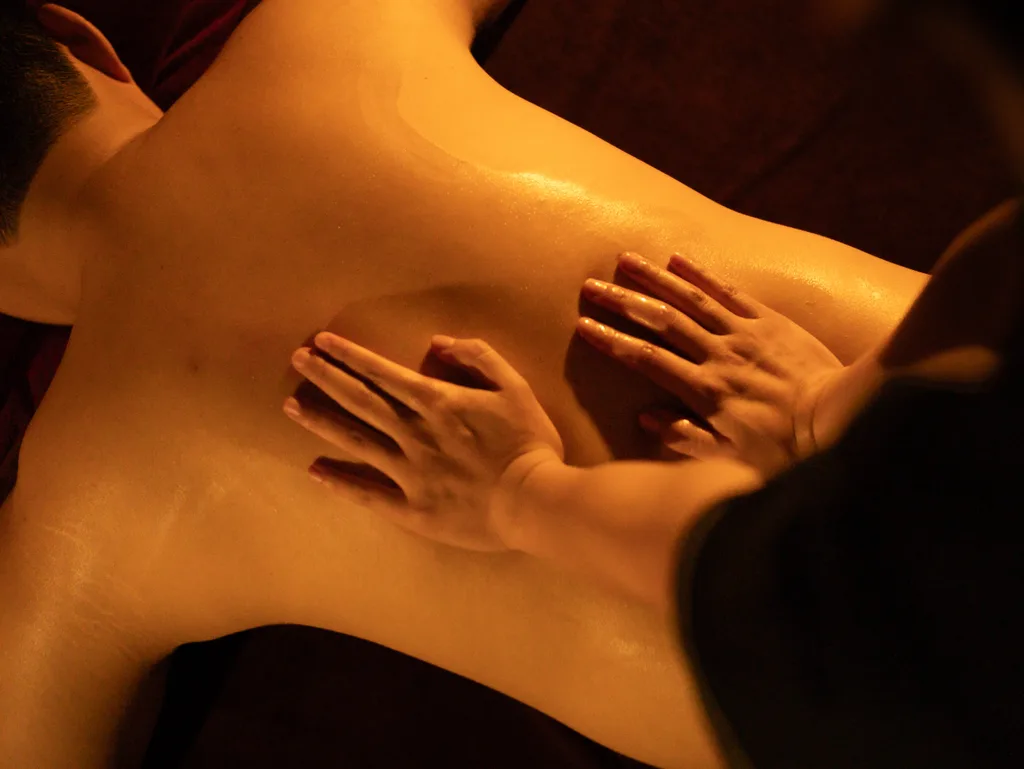
Founded by Tokujiro Namikoshi, Shiatsu is recognized by the Japanese Ministry of Health as an official medical therapy. Technicians absolutely do not use massage oil. Instead, they use the pads of the thumbs and palms to create static pressure, going deep perpendicularly into the skin surface.

The core mechanism here is "Ischemic compression". When pressing and holding for 3-5 seconds, blood in that area is temporarily blocked. When the pressure is released, a new flow of oxygen-rich blood rushes in, washing away toxins and lactic acid that accumulate and cause muscle fatigue.
1.2. Acupressure Principles and Body Energy Flow
Shiatsu addresses "Trigger points" – tiny knots lying deep under the muscle layers. The Japanese call these energy intersection points "Tsubo". Pressing precisely on these acupoints immediately disconnects pain signals transmitted from the peripheral nervous system to the brain.

Scientifically, the difference between shiatsu and Thai massage lies in how this method activates the parasympathetic nervous system. When applying steady static pressure, the heart rate slows down, blood pressure drops, and brain waves gradually shift to the Alpha state (deep meditative state).
2. What is Thai Massage and Characteristics of Thai Therapy
Completely different from the static pressure philosophy of Japan, "Nuad Thai" therapy is heavily focused on physical movement. This method acts as a comprehensive functional recovery exercise for the musculoskeletal system.
2.1. Stretching Methods and Full Body Impacts
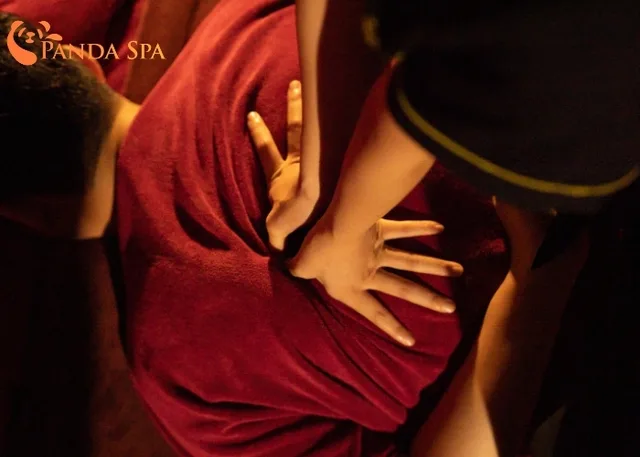
Thai massage is built on the foundation of Ayurvedic medicine with 10 main energy lines called "Sen lines". The therapist flexibly uses the entire body including elbows, forearms, knees, and feet to create compression and mechanical levers on the customer's body.

The main purpose of this maneuver is to release the "Fascia" (the connective tissue covering muscles) that is being contracted. By continuously compressing and pushing rhythmically, the connective tissues are loosened, helping to reduce friction between muscle bundles and returning ideal space for joint cavities.
2.2. Passive Yoga Combination in Thai Massage
The clearest medical characteristic of the Thai method is the application of stretching postures similar to Yoga. The recipient is completely passive and relaxed, while the specialist uses force to bend the spine, expand the hip joints, and stretch the hamstrings.

This is the core point proving that shiatsu is different from Thai massage in terms of physical nature. Passive joint cracking helps break down microscopic scar tissues, stimulates the synovial membrane to secrete lubricant, and maximizes the Range of Motion (ROM).
3. Shiatsu vs Thai Massage in Impact Techniques
For the most intuitive and in-depth view, let's analyze the opposition in the force transmission mechanism and contact point positioning of these two medical backgrounds.
3.1. Comparing Hand Force Between Acupressure and Stretching
Both are physical impacts, but the way these two methods apply mechanical force aims at two completely different purposes:
| Technical Features | Shiatsu Technique (Japan) | Thai Massage Technique (Thailand) |
|---|---|---|
| Force mechanism | Static pressure, vertical 90-degree weight and hold. | Dynamic pressure, large area compression, twisting, and leverage. |
| Rhythm | Slow, synchronized with breath, absolute stillness. | Fast, continuous, often accompanied by joint release sounds. |
The above medical analysis shows shiatsu is different from Thai massage in the distribution of kinetic energy. Japan focuses energy on a convergence point (acupoint), while Thailand disperses force along large muscle groups for stretching.
3.2. Difference in Impact Locations on the Body
Shiatsu specialists act like true mine detectors. They use sharp touch to search for mechanical contraction points (only the size of a pea) hidden deep under the epidermis. When found, they will apply fixed pressure to directly eliminate that inflammation point.
In contrast, Thai massage specialists impact a much more macroscopic cross-section. They embrace the entire calf, ribs, or arms to perform stretching exercises. This intervention is designed to align the spinal structure and rebalance misaligned postures.
4. Suitable Audiences for Shiatsu or Thai Massage
Based on the anatomical analysis above, choosing a therapeutic method is no longer emotional but must be based on the actual pathological condition of the body.
4.1. Which Method Should People with Neck and Shoulder Pain Choose?
If you have localized sharp pain (sharp pain at one point in the neck or lower back), Shiatsu is the only and best choice. Direct static pressure will crush and disperse blood clots more effectively than any joint-cracking exercise.

However, if you feel a general body ache, heavy limbs, or stiff muscles due to lack of exercise, the comprehensive stretching of Thai massage will soften the fascia the fastest. Clearly understanding the nature of shiatsu vs Thai massage helps you treat the right disease with the right therapy.
4.2. What to Choose for Relaxation or High Physical Activity?

To avoid wasting time and money, match your physiological needs with the detailed medical classification below:
- Indications for Shiatsu: People with nervous exhaustion, needing absolute silence, the elderly with osteoporosis who cannot withstand joint cracking, office workers with acute neck and shoulder muscle knots.
- Indications for Thai Massage: Athletes needing to flush lactic acid after training, young people who like strong compression, those with poor posture like mild kyphosis needing correction.
5. Professional Intensive Therapy Experience at Current Spas
Medical knowledge only truly takes effect when performed by specialists who master the anatomical structure of the human body.
5.1 Criteria for Choosing Quality and Safe Therapy Spas

Directly impacting the musculoskeletal system always carries risks if the technique is wrong. A professional Da Nang Spa must pass these 4 strict screening criteria:
- Professional competence: Technicians must clearly know the safe boundaries of ligaments. Wrong joint cracking angles or missing the acupoints can cause muscle tears or spinal cord injuries.
- Medical screening process: Mandatory step to ask about medical history (herniated disc, high blood pressure, pregnancy) before starting to design a separate regimen.
- Sanitation standards: The space must be infused with antibacterial essential oils. Bed linens and uniforms must be new and 100% sterilized after each guest.
- Originality: Ensure the treatment follows the original principles of Japanese or Thai medicine, without mixed-up methods that lose the healing mechanism.
6. Intensive Massage Service Experience at Panda Spa

If you are looking for a quality therapeutic massage address in Da Nang, Panda Spa is an experience well worth trying thanks to the combination of intensive techniques and high-end spa relaxation space.
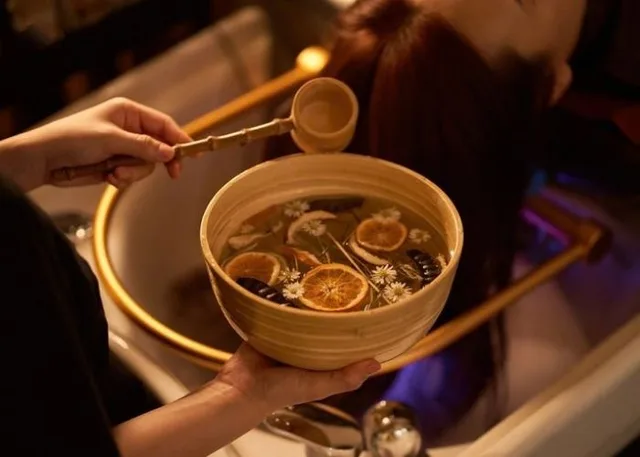
- Quiet and private space: Soundproof rooms, soft lighting, and herbal fragrance help the body relax quickly.
- Intensive massage techniques on pain points: Technician team methodically trained in musculoskeletal and acupoint systems.
- Personalized regimens: Services tailored to the constitution and specific needs of each guest.
- Natural essential oils and hot stones: High-quality materials to help recover energy faster.
7. Frequently Asked Questions about These Two Therapies
7.1. Should People with Herniated Discs Do Thai Massage?
People with herniated discs, sciatica, or serious spinal problems should be especially careful. Thai massage uses many stretching and twisting movements that could increase pressure on damaged discs. In many cases, gentle Shiatsu is more suitable as it focuses on acupressure without intense stretching. Consult a doctor first.
7.2. Summary of differences?
Shiatsu uses finger pressure on acupoints for mental relaxation and energy balance. Thai massage focuses on stretching, joint opening, and muscle flexibility for physical recovery.
7.3. How often should you get a massage?
The appropriate frequency is 1-2 sessions per week. This allows muscles to recover, relax, and stabilize blood circulation without over-sensitizing the body.
8. Conclusion - Choosing the Right Therapy
Hopefully, this in-depth medical analysis has helped you understand clearly how shiatsu is different from Thai massage to make the right decision. Contact Panda Spa today for direct consultation, examination, and the design of the most perfect therapeutic regimen for your body.
CONTACT NOW
All core contact channels are grouped here so visitors can book or ask quickly.
- Hotline+84 70 818 5397
- Emailbooking@pandaspa.vn
- MessengerPanda Spa
- Kakao TalkPanda Spa
- NaverPanda Spa
- TripadvisorPanda Spa & Massage In Danang City
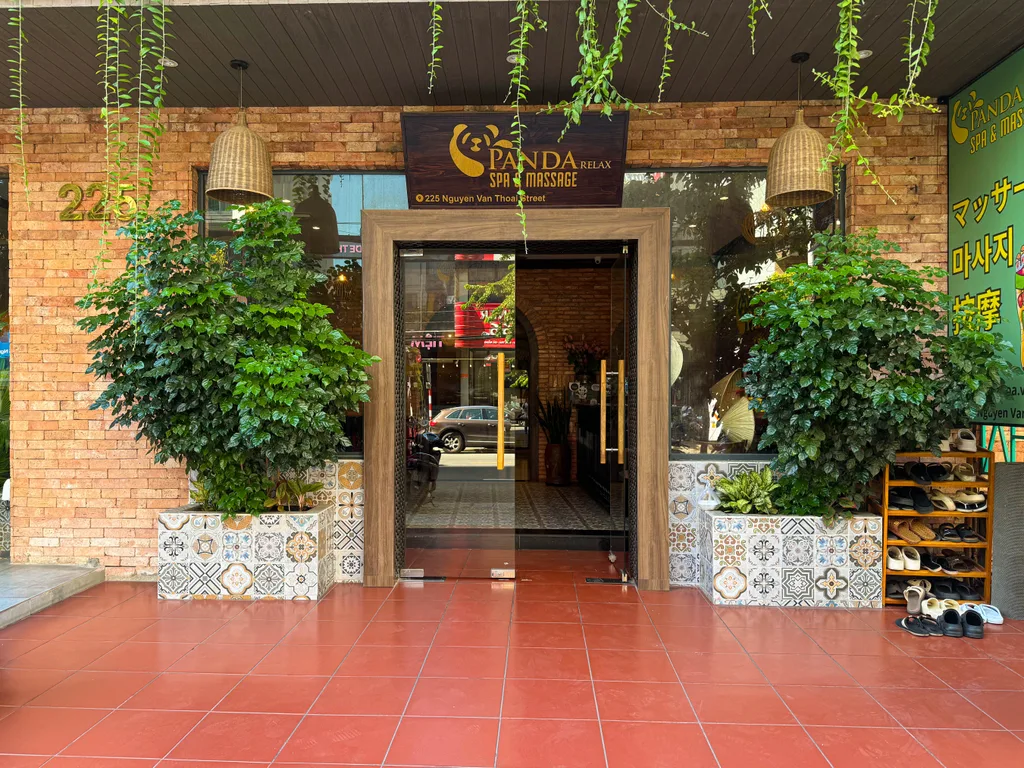
- Panda Spa & Massage229 Nguyen Van Thoai, An Hai, Da Nang 550000, Viet Nam
- Panda Relax Spa225c Nguyen Van Thoai, An Hai, Da Nang 550000, Viet Nam
Panda Spa has two branches on Nguyen Van Thoai street (229 & 225C), close to My Khe beach. Our therapists and receptionists share what they learn from guests every day.