What Are the Benefits of a Herbal Foot Soak Before a Massage?
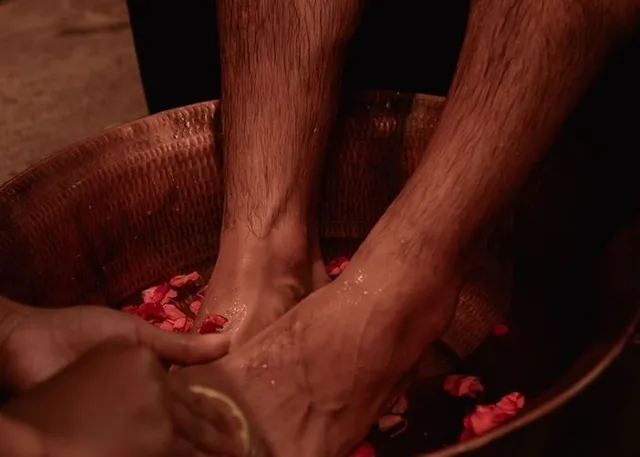
A herbal foot soak is a warm-water bath infused with aromatic herbs that you soak your feet in before a massage. It softens the skin, boosts circulation and helps the body relax. At Panda Spa in Da Nang, every massage - not just foot massage - begins with a free herbal foot soak, which is why guests remember it long after their session.

It looks simple: a wooden basin, hot water, a scent of ginger and lemongrass rising with the steam. But this small ritual does real work on your body and sets up everything that follows. Here's what a herbal foot soak actually is, why it helps, and why the best spas treat it as the opening act rather than an afterthought.
1. What Is a Herbal Foot Soak, Exactly?

A herbal foot soak is a therapeutic foot bath in which your feet and lower calves rest in warm water steeped with traditional herbs and botanicals. The water usually sits between 38°C and 42°C - hot enough to open the blood vessels but comfortable to hold. Common herbs in Vietnamese spas include ginger, lemongrass, mugwort, salt and sometimes dried orange peel or wormwood, each adding warmth and a light aromatic scent. You soak for roughly 5 to 15 minutes while you settle in.
A herbal foot soak is not a treatment you book on its own; it's the preparation step that comes before a foot massage or full-body massage. At Panda Spa in Da Nang, the warm herbal foot soak opens every treatment on the menu, from a 500,000₫ foot massage to a 1,200,000₫ four-hands session, and it's included free with all of them (see the full price list). Think of it as the moment your body switches from "tourist mode" to "rest mode."
2. What Are the Benefits of a Herbal Foot Soak?
The benefits are physical, not just pleasant. Warm water and herbs work together on the body in four main ways, and each one matters more if you've spent a long day on your feet.
-
Better circulation: Heat dilates the blood vessels in your feet and calves, so blood moves more freely. After hours of walking or a long flight, this is what eases the heavy, swollen feeling in tired legs.
-
Deeper relaxation: Warmth on the feet signals your nervous system to shift into its "rest and digest" state. Muscles let go, breathing slows, and stress starts to lift before anyone has touched your back.
-
Softer skin and muscles: The warm soak softens skin and relaxes the small muscles of the feet, so the massage that follows feels deeper without the therapist having to press harder.
-
A calmer mind through scent: Aromatic herbs like lemongrass and ginger have a light, grounding smell that many guests say is the moment the holiday stress actually leaves.
For travelers, the sleep benefit is the sleeper hit. Many of Panda Spa's guests tell our therapists they sleep noticeably better on a night that started with a warm foot soak and massage - genuinely useful when you're jet-lagged in a new time zone.
3. Why Do Good Spas Start Every Massage With a Foot Soak?

There's a practical reason the ritual comes first, and it's about the massage itself. A foot soak isn't decoration - it's preparation that makes the whole treatment work better. Warm water dilates the blood vessels in the feet, so when the pressure work begins, circulation responds faster and the massage feels deeper without needing to be harder on your body. Softened skin and warmed muscles are easier for a therapist to work through, which means less discomfort for you and a smoother session overall.
Just as importantly, the soak buys a few quiet minutes for your nervous system to slow down; guests who arrive rushed and tense are far more relaxed by the time they lie down. That's why at Panda Spa the herbal foot soak opens every service, not only foot massage - and why it's become the detail guests mention most often in their reviews. A spa that skips this step is usually rushing you through.
4. The Foot Soak Ritual at Panda Spa, Step by Step

The ritual is short, and it's the same for every guest. When you arrive, you're welcomed and offered tea, then settled into a comfortable reclining chair. A therapist brings a wooden basin of warm water infused with herbs and places your feet in it - the temperature is checked so it's warm, never scalding. You soak for several minutes while the warmth spreads up through your calves and the scent of the herbs fills the room.
This is the point where most guests feel their shoulders drop for the first time all day. When your feet are warm and the skin has softened, the therapist dries them gently and moves straight into your chosen treatment. There's no extra charge and nothing to ask for - at Panda Spa, the warm herbal foot soak is simply how every session begins, whether you booked ahead or walked in off the beach road.
5. Can You Do a Herbal Foot Soak at Home?
You can make a basic version at home, though it won't match the spa experience. Fill a basin with water around 40°C, add a handful of coarse salt and whatever aromatic herbs you have - fresh ginger slices, lemongrass stalks, even a few drops of essential oil work. Soak for 10 to 15 minutes, ideally in the evening before bed, then dry your feet well. It's a nice wind-down after a day of walking.
What you can't replicate at home is the trained pressure work that follows - the soak softens and warms the feet precisely so a therapist can work them properly afterward. The soak is the opening; the massage is the main event. If you're in Da Nang, letting a therapist take it from there is the easier and far more effective option.
6. FAQ: Herbal Foot Soak
6.1. What is a herbal foot soak used for?
A herbal foot soak is used to prepare the body before a massage. The warm, herb-infused water boosts circulation, softens the skin and relaxes the muscles and nervous system, so the massage that follows feels deeper and more relaxing. It also eases tired, swollen feet after a long day.
6.2. How long should you soak your feet?
Around 5 to 15 minutes is ideal - long enough for the warmth to spread and the muscles to relax, not so long that the skin over-softens. At Panda Spa the soak runs a few minutes as the opening of each session before the massage begins.
6.3. Is a herbal foot soak good for circulation?
Yes. Warm water dilates the blood vessels in the feet and calves, which improves blood flow and eases the heavy, swollen feeling in legs after walking or a long flight. It's one of the main reasons spas use it before a massage.
6.4. Do you have to pay extra for the foot soak at Panda Spa?
No. At Panda Spa in Da Nang the warm herbal foot soak is included free with every treatment, from a 500,000₫ foot massage to a 1,200,000₫ four-hands session. It's not an add-on - it's how every session starts.
6.5. What herbs are used in a foot soak?
Vietnamese spas commonly use ginger, lemongrass, mugwort, salt and sometimes dried orange peel or wormwood. These add warmth and a light aromatic scent that helps you relax. The exact blend varies by spa.
7. Come Feel the Difference From the First Minute
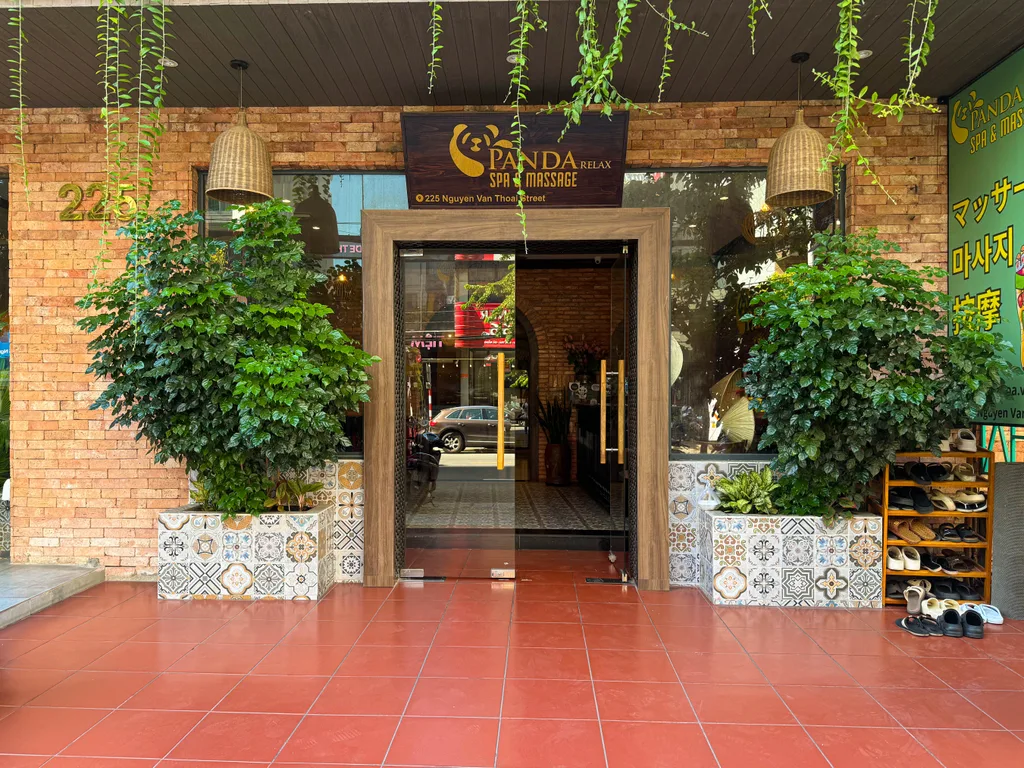
The herbal foot soak is the small ritual that makes a Panda spa massage feel like a Panda massage. Every session at Panda Spa & Massage - 229 and 225c Nguyễn Văn Thoại, An Hải, about 5 minutes from My Khe Beach - opens with a free warm herbal foot soak, daily from 9:00 to 23:45.
Book your foot massage on WhatsApp: +84 708 185 397, email booking@pandaspa.vn, or reserve online. Your feet go in warm; the rest of you follows.
CONTACT NOW
All core contact channels are grouped here so visitors can book or ask quickly.
- Hotline+84 70 818 5397
- Emailbooking@pandaspa.vn
- MessengerPanda Spa
- Kakao TalkPanda Spa
- NaverPanda Spa
- TripadvisorPanda Spa & Massage In Danang City
- Panda Spa & Massage229 Nguyen Van Thoai, An Hai, Da Nang 550000, Viet Nam
- Panda Relax Spa225c Nguyen Van Thoai, An Hai, Da Nang 550000, Viet Nam

Panda Spa has two branches on Nguyen Van Thoai street (229 & 225C), close to My Khe beach. Our therapists and receptionists share what they learn from guests every day.