How Often Should You Get a Massage Ideal Frequency Guide
How often should you get a massage depends on your goals, lifestyle and how your body feels. There is no single schedule that fits everyone. This guide explains common frequency ranges, how to adjust them, and practical ways to keep a routine. You can use these points when planning sessions at Panda Spa.
1. Quick Answer On How Often Should You Get a Massage
Most people do well with a flexible plan rather than a fixed rule. Frequency usually depends on whether you want short-term relief, ongoing maintenance, or support during a busy or stressful period.
1.1. Recommended Frequency Table For Each Need
| Goal | Suggested frequency | Notes |
|---|---|---|
| General relaxation | Once every 3–4 weeks | Good for ongoing stress management |
| Mild muscle tension | Every 2–3 weeks | Helps prevent tension from building up |
| Heavier tension or desk work | Weekly or every 10–14 days | Useful during busy or high-stress periods |
| Travel recovery | 1–2 sessions during a trip | Helps after long flights or heavy walking days |
| First-time or occasional guests | Start with one session, then decide | Use how you feel afterward to guide the next booking |
These ranges are practical starting points. Your ideal frequency may shift as your schedule, activity level, or stress level changes.
1.2. Why One Single Session Is Not Enough
One massage can provide short-term relief, but the effect is temporary. Daily posture, work, travel, and exercise continue to create tension. A single session resets comfort for a while; regular sessions help maintain it.
Think of massage as ongoing self-care rather than a one-time fix. Guests who return at a steady interval often find it easier to stay comfortable between visits than those who only book when tension becomes intense.

2. Ideal Massage Frequency For Your Specific Problem
Different situations call for different schedules. Matching frequency to your main goal makes the plan more useful and easier to keep.
2.1. Weekly Treatment Plan For Neck And Shoulder Tension
People who sit for long hours or carry tension in the neck and shoulders often benefit from more frequent sessions during high-stress periods. Weekly or every-10-day visits can help keep tightness from building up again too quickly.
Once the area feels more comfortable, many guests shift to every two or three weeks for maintenance. The key is to adjust rather than stay on an intense schedule longer than needed.
2.2. Post Workout Relief Days For Gym Members And Athletes
Active people sometimes use massage as part of recovery after hard training blocks. A session every one to two weeks can support muscle comfort during heavy training periods.
On lighter training weeks, frequency can drop. Listening to how your body feels after workouts is more useful than following a rigid calendar. Avoid booking deep work immediately before a major training session if you prefer to feel fresh.

2.3. Monthly Stress Relief Routine For Mental Relaxation
For general stress management, a monthly session is a realistic and sustainable option for many people. It creates a predictable pause in a busy schedule and supports ongoing relaxation without requiring a large time commitment.
Some guests prefer every three weeks if their stress level stays high. Others find that once a month is enough to maintain a calmer baseline. Consistency matters more than intensity here.
2.4. Short Stay Spa Visits For Da Nang Tourists
Travelers usually plan around their itinerary rather than a long-term schedule. One session mid-trip can help with walking fatigue or flight stiffness. A second session near the end of the stay can support recovery before traveling home.
For short stays, focus on timing rather than frequency rules. Book when your body feels tired or when you have a free late afternoon, rather than forcing a fixed pattern that does not fit the trip.

[snippet:View neck shoulder massage services in Da Nang | https://pandaspa.vn/neck-and-shoulder-massage]
3. What Happens To Your Body With Regular Massages
Regular sessions do not create dramatic overnight change. The value shows up in how you feel between visits and how quickly tension returns.
3.1. How Comfort Changes After 1, 3, And Several Sessions
After the first session, many people feel looser and more relaxed for one to several days. After a few sessions spaced reasonably apart, some notice that tightness returns more slowly. Over a longer stretch of regular visits, the goal is usually easier maintenance rather than dramatic transformation.
Results vary. Factors such as sleep, posture, activity level, and stress all influence how long the comfortable feeling lasts. Regular massage works best as one part of overall self-care, not as the only strategy.
3.2. How To Mix Different Massage Styles
You do not need the same style every time. Some guests alternate between a more focused session and a lighter relaxation session. Others keep one preferred style and only change duration.
A simple approach is to choose deeper work when tension feels high and lighter work when you mainly want to unwind. There is no fixed formula. Adjust based on how your body feels on the day of the appointment.

4. How To Maintain Routine On How Often Should You Get a Massage
Knowing a useful frequency is only half the task. Keeping the routine realistic is what makes it sustainable.
4.1. Getting A Personal Recovery Plan From Therapists
When you book, you can briefly describe your main concern and how often you have been coming. Therapists can share practical observations about spacing based on how your body responds. This is guidance, not a prescription.
A short conversation at the end of a session is often enough to decide whether to return in one week, two weeks, or a month. Use that feedback together with your own schedule.

4.2. Saving Money With Package Options
If you plan to come regularly, ask about package or multi-session options. These can make a steady routine more manageable than booking single visits every time.
Packages are most useful when you already know you want to return at a roughly consistent interval. They are less necessary for one-off travel visits.
4.3. Setting A Simple Reminder For Your Next Session
Many people intend to rebook and then forget. Setting a calendar reminder or booking the next session before you leave makes consistency easier.
Choose a reminder style that fits your habits. The goal is a light structure, not pressure. If your schedule changes, adjust the date rather than abandoning the plan completely.
5. FAQ About How Often To Get A Massage
These answers address the questions guests ask most often about frequency.
5.1. Will Frequent Massages Make Your Muscles Weak?
No. Massage does not weaken muscles when performed at a sensible frequency. Feeling relaxed or slightly tired afterward is normal. Regular movement, daily activity, and normal exercise continue to support strength.
5.2. Signs Showing You May Want To Book Sooner?
Common signs include:
- Neck or shoulder tightness returning quickly
- Feeling stiff after ordinary daily activity
- Sleep quality dropping during stressful periods
- Recovering more slowly after exercise or long travel days
These signs do not require an immediate session, but they can indicate that a shorter interval may feel more helpful for a while.
5.3. Safe Time Gap Between Two Deeper Sessions?
For deeper work, many people prefer to wait at least several days before another intense session so the body can settle. Lighter relaxation sessions can be spaced more closely if desired. When in doubt, choose a comfortable gap and adjust based on how you feel after each visit.
6. Conclusion On How Often Should You Get a Massage
Understanding how often should you get a massage helps you build a routine that fits your body and your schedule. Start with a realistic interval, adjust based on how you feel, and keep the plan flexible. When you are ready to plan your next session, book at Panda Spa.
CONTACT NOW
All core contact channels are grouped here so visitors can book or ask quickly.
- Hotline+84 70 818 5397
- Emailbooking@pandaspa.vn
- MessengerPanda Spa
- Kakao TalkPanda Spa
- NaverPanda Spa
- TripadvisorPanda Spa & Massage In Danang City
- Panda Spa & Massage229 Nguyen Van Thoai, An Hai, Da Nang 550000, Viet Nam
- Panda Relax Spa225c Nguyen Van Thoai, An Hai, Da Nang 550000, Viet Nam

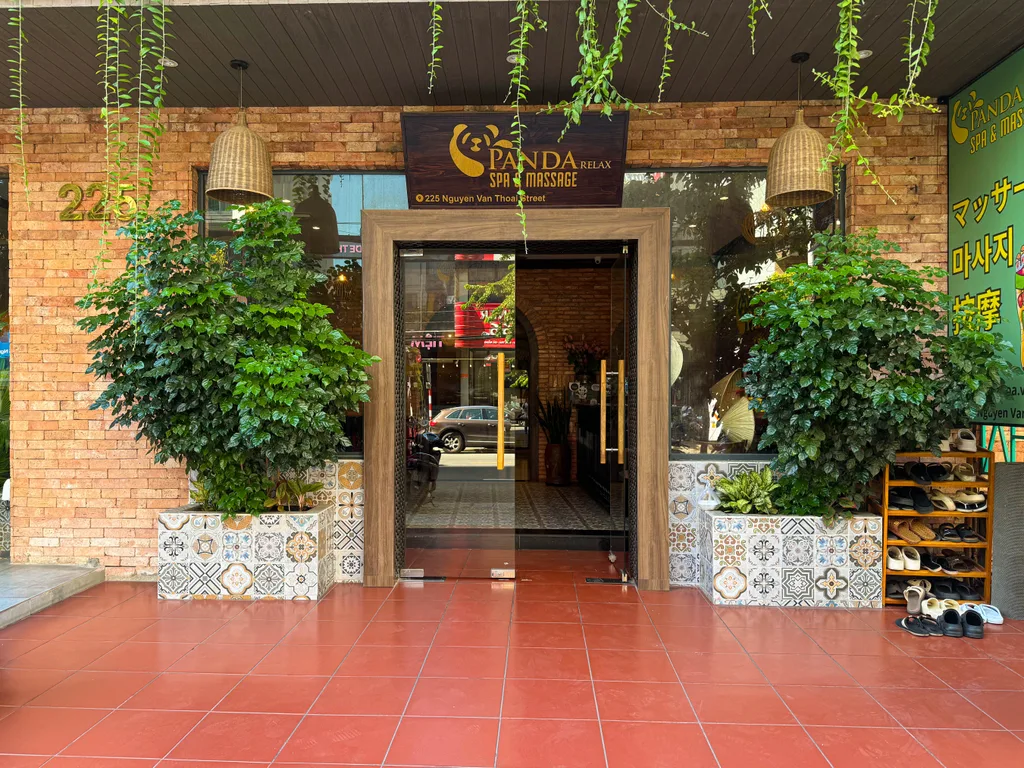
Panda Spa has two branches on Nguyen Van Thoai street (229 & 225C), close to My Khe beach. Our therapists and receptionists share what they learn from guests every day.