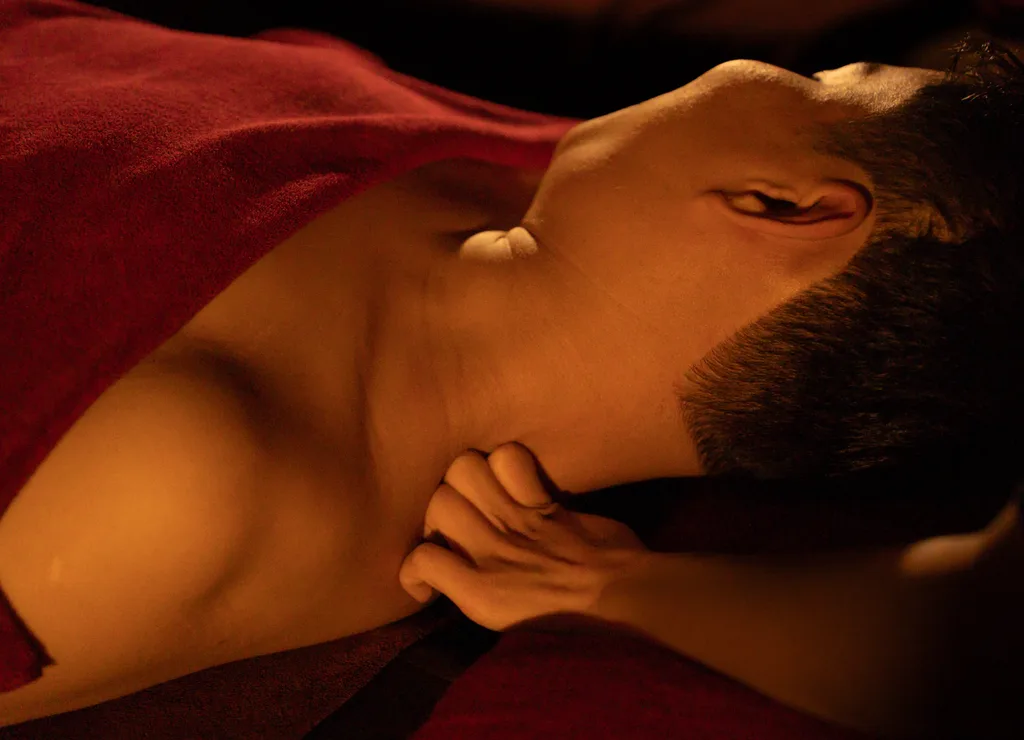
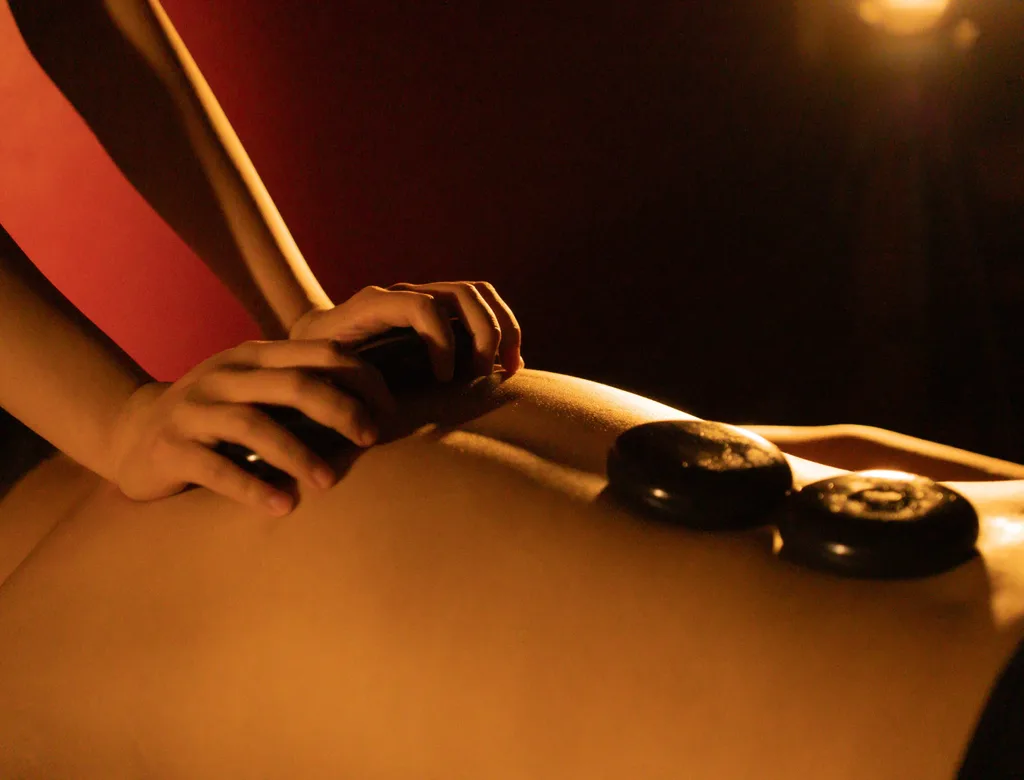
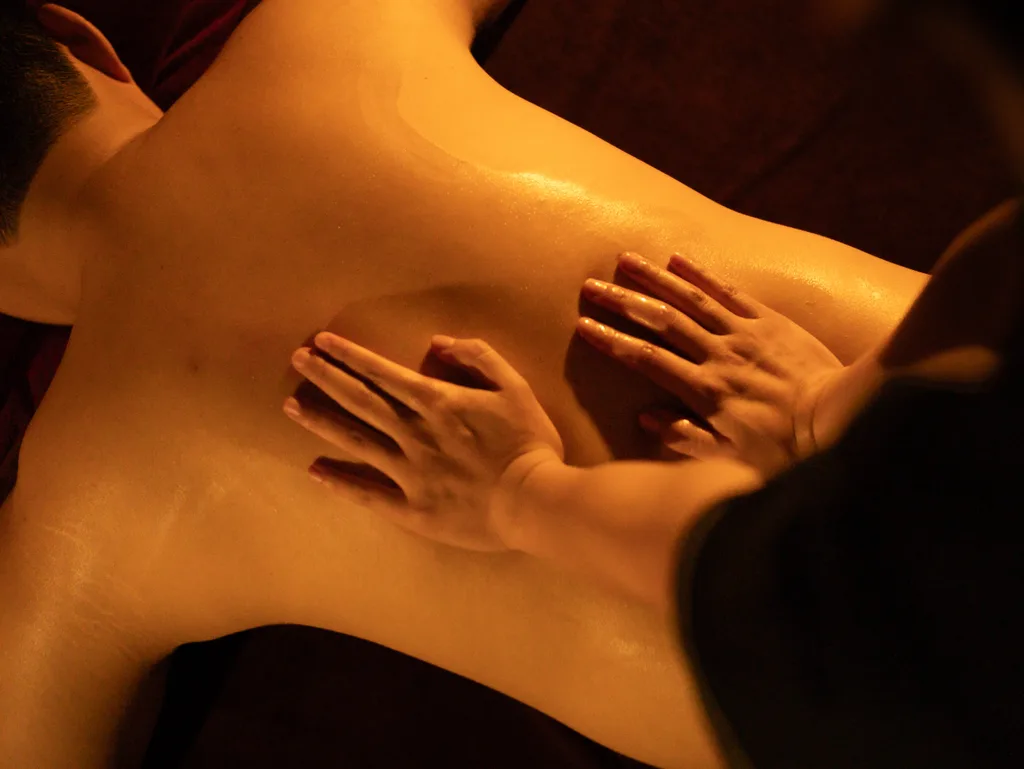
Guide to Neck and Shoulder Massage Routine for Quick Pain Relief at Home
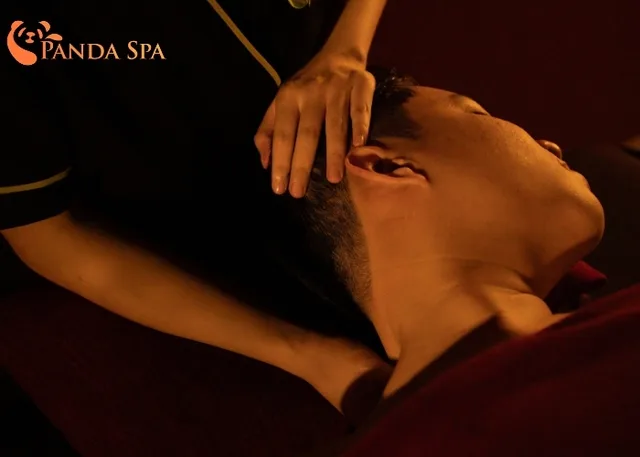
Performing a proper neck and shoulder massage routine is the perfect method to help you knock out pain instantly. Amidst the busy work cycle, the body frequently falls into a state of fatigue due to sitting in the wrong posture. If you are looking for a safe and effective health recovery solution, Panda Spa is the most ideal destination for you.
1. Preparation before performing neck and shoulder massage
For the neck and shoulder massage routine to achieve the best pain relief and relaxation effects, the preparation step plays a very important role. Proper preparation helps the body easily relax, increases blood circulation, and limits injuries when acting on muscles.
- Space: Quiet, airy, limit noise and too strong lighting
- Posture: Sit with a naturally straight back on a chair with a backrest, relax both shoulders, do not tense muscles
- Timing: When the body is comfortable, not too hungry or too full
- Warm up muscles: Apply a warm towel or take a warm bath to relax muscles before massage
- Support: Can use massage essential oils to reduce friction and increase relaxation
- Mindset: Take deep breaths, keep a relaxed state, avoid stress
2. Basic neck and shoulder massage techniques at home
The musculoskeletal system of the nape area is very complex, so the impact force needs to be flexible and accurate. Applying proper massage techniques will help muscles completely release stagnant lactic acid.
2.1. Stroking technique along the neck muscles to reduce stiffness
This is a great warm-up operation that helps the nervous system get used to the intervention of mechanical pressure. You use your palms or gather four fingers together to create a smooth contact surface on the skin. Press your hands closely to the nape area, start stroking very gently and slowly along the muscle line down to both sides of the shoulders.

After stroking the back, you change the stroking direction from the nape extending to the front of the sternum to unblock the lymphatic system. This movement should be repeated about 15 times so that the friction heat warms up the contracted area. The smooth stroking force helps expand capillaries, creating conditions for fresh oxygenated blood to rush in and heal cells.
2.2. Shoulder muscle squeeze-and-release technique for quick contraction relief
The trapezius muscle mass on the shoulders is frequently swollen due to having to support the weight of the skull. The squeeze-and-release technique was born to directly address these stubborn muscle knots. Use the force of all five fingers to squeeze deeply into the aching muscle mass exactly like kneading dough.

You need to hold the squeezing force tightly for about 10 to 15 seconds, then slowly relax your hands to let blood circulate. Repeat this squeeze-and-release action multiple times combined with moving along the shoulder to break up hard nodules. Applying this technique correctly will squeeze all the toxin-filled blood out of the muscle fascia.
2.3. Circular rubbing of the nape area to increase blood circulation
The hollow area behind the nape is the convergence of many important nerve roots directly connected to the cerebral hemispheres. Congestion in this area is the leading cause of migraines and dizziness. The circular rubbing technique will help clear this extremely important blood route.

Gather your fingertips together, place them on the area right below the skull and gently press in a clockwise direction. Maintain continuous circular rubbing movements for about 2 to 3 minutes to dissipate the aching sensation. This process pumps an abundant amount of oxygen to the brain, bringing you an extremely clear mind.
3. Step-by-step guide to the neck and shoulder massage routine
A standard procedure must follow a scientific sequence from light to strong to achieve optimal results. The body will gradually get used to the stimulation before the specialist acts deeply on the acupoints. Below are 5 professional therapy steps that you can apply at home or experience at a spa.
3.1. Step 1: Consultation and preparation of the therapy space
Before starting, you or the technician need to carefully discuss health conditions, painful areas, and medical history. This step helps personalize the treatment, ensuring absolute safety and achieving the highest therapeutic efficiency. Customers are instructed to wear comfortable clothes, lie face down on a specialized bed or soft mat. The therapy room space needs to be quiet, with soft lighting combined with the scent of natural essential oils. Specialized massage oil is used to reduce friction, helping movements glide smoothly on the skin and supporting toxin elimination. This thorough preparation helps elevate the value of the neck and shoulder massage routine to a new level.
3.2. Step 2: Warm-up to heat the entire muscular system
The process begins with gentle stroking movements using fingertips along the neck muscle fibers, back of the neck, both shoulders, and upper back. The purpose of the warm-up step is to help the body get used to impacts on soft tissues smoothly. At the same time, it stimulates blood vessel dilation and increases initial blood circulation in the swollen area.

Next are rubbing and stroking movements with moderate pressure to slowly warm up the body. The gradually softened muscle fibers will help the massage techniques in the next steps reach deep into the acupoints. This ensures that muscles do not experience sudden sharp pain or fall into an uncomfortable state of stiffness.
3.3. Step 3: Acupressure and deep therapeutic muscle kneading
This is the core step of the intensive treatment to tackle the root cause of pain. The thumb is used to press deeply into acupoints along the cervical spine, neck and shoulder areas, and trigger points. Each acupoint is held statically for 3 to 8 seconds then gently released, combined with circular rubbing to completely release stiffness.

After acupressure, the operation will switch to kneading techniques for shoulder and trapezius muscles. Both hands squeeze deeply into the muscle mass, lift, and release in a steady rhythm. This movement helps break down muscle knots, release accumulated lactic acid, and restore natural elasticity.
3.4. Step 4: Head massage and gentle neck stretching
The treatment continues moving up to the head area with pressing movements on the temple points, Yintang, and points around the eye sockets. This method stimulates blood circulation to the brain, reduces headaches, and brings a deep feeling of relaxation. Scalp massage using fingertips also supports extremely effective nervous system stress relief.

Ending this step, gentle neck stretching movements are performed such as tilting the head to both sides, rotating the neck slowly. These movements help increase the range of motion of the neck joints, reduce joint stiffness, and restore flexibility. You will feel your head and neck area as if a huge burden has been lifted.
3.5. Step 5: Recovery and conclusion of the therapy process
The treatment concludes with gentle stroking and light tapping on the entire shoulder blade area to awaken energy. The body will shift from a state of deep relaxation to alertness in a completely natural way. Customers will be supported to sit up slowly to avoid dizziness caused by changing posture too suddenly.
Afterward, you will enjoy warm water or herbal tea to support the toxin elimination process. The specialist will advise on an appropriate frequency for the neck and shoulder massage routine and guide a few simple stretching exercises. Self-practicing at home will help maintain long-lasting therapeutic effects between spa visits.
4. Common mistakes when doing self-massage at home
During the neck and shoulder massage routine, many people easily make mistakes that cause pain relief results to fall short of expectations, or even make muscles hurt more.
- Using too much force: Thinking the more painful the more effective, but in reality it easily causes muscle spasms, bruising, and increased pain.
- Pressing the wrong spots: Impacting directly on the cervical spine instead of the muscles on both sides of the neck and shoulders.
- Massaging when inflamed or swollen: Worsens inflammation, prolonging recovery time.
- Wrong manipulation techniques: Massaging in the wrong muscle direction or doing it too fast makes muscles unable to relax in time.
- Over-massaging: Performing too frequently leaves muscles no time to recover.
5. Frequently asked questions about the neck and shoulder massage routine
While applying this method, you will certainly have some concerns about frequency and effectiveness. Below are expert answers to help you better control the meridian-clearing process.
5.1. How many times a week should it be performed?
The appropriate frequency for the neck and shoulder massage routine is about 1-2 times per week. This is a safe level helping muscles relax, effectively reducing pain while still having natural recovery time between impacts. For office workers or those sitting for a long time, gentle massage can be done daily for short periods (about 5-10 minutes), but continuous strong force should be avoided to prevent counterproductive effects.
5.2. Can neck and shoulder massage cure diseases?
No. Neck and shoulder massage does not cure pathologies like spinal degeneration or herniated discs.
This method is only supportive, helping to temporarily relieve pain, relax muscles, improve blood circulation, and reduce stress in the neck and shoulder area. If the pain persists or is severe, you should visit a specialist for an accurate diagnosis.
5.3. When is the best time to massage?
The ideal time to perform a neck and shoulder massage routine is in the evening before bed. At this time, the body has finished its daily activities, the nervous system easily relaxes, helping the massage work better. In addition, you can also massage after working for a long time, sitting at a computer for hours, or when feeling stiffness in the neck and shoulder area to reduce fatigue quickly.
6. Conclusion - Effective neck and shoulder massage routine for pain relief at home
The neck and shoulder massage routine is a simple yet effective solution helping to reduce pain, relax muscles, and improve blood circulation if done correctly and regularly. However, to ensure safety, avoid using excessive force, do not massage when the neck and shoulder area is inflamed or injured, and combine it with rest and adjusting lifestyle habits properly. In case of prolonged pain or needing more intensive therapy, you can choose services at Panda Spa for more effective and safer support.
CONTACT NOW
All core contact channels are grouped here so visitors can book or ask quickly.
- Hotline+84 70 818 5397
- Emailbooking@pandaspa.vn
- MessengerPanda Spa
- Kakao TalkPanda Spa
- NaverPanda Spa
- TripadvisorPanda Spa & Massage In Danang City
- Panda Spa & Massage229 Nguyen Van Thoai, An Hai, Da Nang 550000, Viet Nam
- Panda Relax Spa225c Nguyen Van Thoai, An Hai, Da Nang 550000, Viet Nam

Panda Spa has two branches on Nguyen Van Thoai street (229 & 225C), close to My Khe beach. Our therapists and receptionists share what they learn from guests every day.