How to Identify Authentic Organic Shampoo: 7 Signs You Shouldn't Ignore
In the face of the green consumerism wave, many cosmetic brands have applied "Greenwashing" tricks – advertising products as natural but actually containing many chemical additives. Choosing a bottle of organic shampoo with a transparent ingredient list and prestigious international certifications can help you care for your hair and scalp more effectively. The article below from Panda Spa will guide you on how to read INCI ingredients and identify scientifically standardized organic certifications.
1. Comparing the differences between Organic and Natural Shampoo
Many consumers confuse the concepts of "Organic" and "Natural". From a quality management perspective, these are two completely different standards. Below is a comparison table to help you quickly identify them:
| Criteria (INCI) | Organic Shampoo | Natural Shampoo |
|---|---|---|
| Ingredient ratio | Usually requires >95% organic ingredients (depending on certification). | Only needs to contain a small percentage of natural extracts. |
| Farming process | Strictly controlled: No chemicals, no GMOs, clean soil for 3 years. | No mandatory standards on farming origin. |
| Legal certification | Must have a logo from a 3rd party organization (USDA, Ecocert...). | Not mandatory, brands can label them freely. |
| Chemical additives | Sulfate-free, Paraben-free, Silicone-free (banned from use). | May still contain Sulfates (SLS/SLES) and chemical preservatives. |
2. Natural labeling tricks disguised as organic shampoo
The term "Greenwashing" refers to marketing tricks that help brands mislead consumers through packaging and advertising language. Equipping yourself with fundamental knowledge is the best way to protect your scalp's health.
2.1. The trick of hiding surfactants

Many brands print the words "Sulfate-free" in bold on the front to attract attention. However, when checking the ingredient list, they may use other synthetic surfactants like Sodium C14-16 Olefin Sulfonate.
Although disguised as coconut derivatives, the chemical synthesis process has altered the structure. Regular use of these strong detergents can strip the physiological lipid layer, leaving the scalp dry and prone to irritation.
2.2. Inflating plant extract concentrations
The "Fairy Dusting" trick is a common advertising tactic. Manufacturers may print eye-catching images of plants and herbs and name the product after that herb. However, the truth is only revealed when you carefully read the ingredient list (INCI list).
These expensive natural extracts are often at the bottom of the ingredient list, behind artificial fragrances and preservatives. At this position, their concentration usually accounts for less than 1%, making it difficult to bring significant restorative effects to the hair follicle system.
3. Exposing the truth about organic shampoo certifications
To identify a truly organic product, consumers need to rely on independent certification standard systems rather than just looking at brand claims.
3.1. The truth about self-proclaimed seals on packaging
To increase attention, packaging designs often use leaf logos or blue water drops accompanied by legally non-binding phrases such as "100% Nature", "Pure Organic", or "Botanical Extract".
These self-designed symbols have not undergone any independent testing from a 3rd party. They are merely graphic illustrations and do not represent the cleanliness of the ingredients or manufacturing standards (GMP).
3.2. Independent verification process of international certifications

A medically standardized bottle of organic shampoo often bears the seal of Ecocert, COSMOS Organic, or USDA Organic. The process to achieve these certifications is extremely rigorous:
- Soil source: Not contaminated with chemical fertilizers or pesticides for at least 3 consecutive years.
- Plant varieties: Must be purebred, without the use of genetically modified organisms (Non-GMO).
- Extraction technology: Prioritizes steam distillation or cold pressing to keep plant enzymes intact, leaving no industrial solvent residues.
4. Guide to reading the ingredient list (INCI) to check organic shampoo
The ingredient list (INCI - International Nomenclature of Cosmetic Ingredients) is the most transparent part of a product. Ingredients are listed in order from highest to lowest concentration.
4.1. Extremely mild organic cleansing group
In a standard herbal shampoo or organic product, you should look for bio-cleansing bases derived from plants. The most common are Decyl Glucoside, Coco Glucoside, or Lauryl Glucoside. These are biodegradable surfactants that can gently clean sebum without drying the scalp.
4.2. Chemical detergent group to avoid
When reading labels, if you are looking for maximum safety for sensitive skin, be sure to stay away from the following ingredients:
- Paraben-free: Avoid preservatives like Methylparaben and Propylparaben due to the risk of endocrine disruption.
- Silicone-free: Avoid fake smoothing agents like Dimethicone and Cyclopentasiloxane as they can cause pore clogging (Hair build-up) if not rinsed thoroughly.
- Sulfate-free: Avoid harsh detergents like Sodium Lauryl Sulfate (SLS) which can erode the lipid membrane.
5. Where to buy reputable organic shampoo to avoid counterfeit goods?
After equipping yourself with full knowledge to read the ingredient list, the next question for many is how to find authentic products. Instead of buying through retail channels of unknown origin, you should prioritize authorized distribution systems directly from brands that provide transparent Certificates of Analysis (COA).

At Panda Spa, our team of experts is always ready to discuss your current hair and scalp condition. By understanding your lifestyle and cosmetic history, our specialists will suggest the most suitable hair loss reduction shampoo or organic product lines, along with support policies and long-term care advice.
6. Frequently Asked Questions (FAQ) about organic shampoo
6.1. Is organic shampoo suitable for dyed hair?
Yes. Most organic products are Sulfate-free (contain no harsh detergents), making them very safe and helping to maintain the color durability of dyed hair better than industrial shampoos.
6.2. Do I need to switch from regular shampoo to organic immediately?
You can transition gradually. When first using an organic product (which typically lacks smoothing Silicones), your hair might feel a bit squeaky when wet. This is a normal detox phenomenon. After about 2-4 weeks, the scalp will balance itself, and the hair will become bouncy and naturally shiny.
6.3. Are all shampoos labeled "Natural" also Organic?
No. "Natural" simply means the product contains natural ingredients, but it can still contain farming chemicals or synthetic additives. "Organic" requires 100% clean farming standards and must have legal certification.
6.4. How is Ecocert different from USDA Organic?
USDA Organic (USA) requires a product to contain at least 95% organic ingredients to be labeled. Ecocert (France) and COSMOS usually require a minimum of 95% plant-based ingredients, and at least 20% of the total product weight must be organic. Both are world-leading prestigious certifications.
7. Identify Authentic Organic Shampoo for Effective Hair Care

Reading the INCI ingredient list and identifying reputable certifications is a crucial skill to help you avoid the "Greenwashing" trap. Investing in a transparent bottle of organic shampoo is not only protecting your hair's health but also supporting environmental sustainability. If you need assistance evaluating your scalp condition or want to experience an herbal head spa therapy with natural herbs, visit Panda Spa today!
CONTACT NOW
All core contact channels are grouped here so visitors can book or ask quickly.
- Hotline+84 70 818 5397
- Emailbooking@pandaspa.vn
- MessengerPanda Spa
- Kakao TalkPanda Spa
- NaverPanda Spa
- TripadvisorPanda Spa & Massage In Danang City
- Panda Spa & Massage229 Nguyen Van Thoai, An Hai, Da Nang 550000, Viet Nam
- Panda Relax Spa225c Nguyen Van Thoai, An Hai, Da Nang 550000, Viet Nam
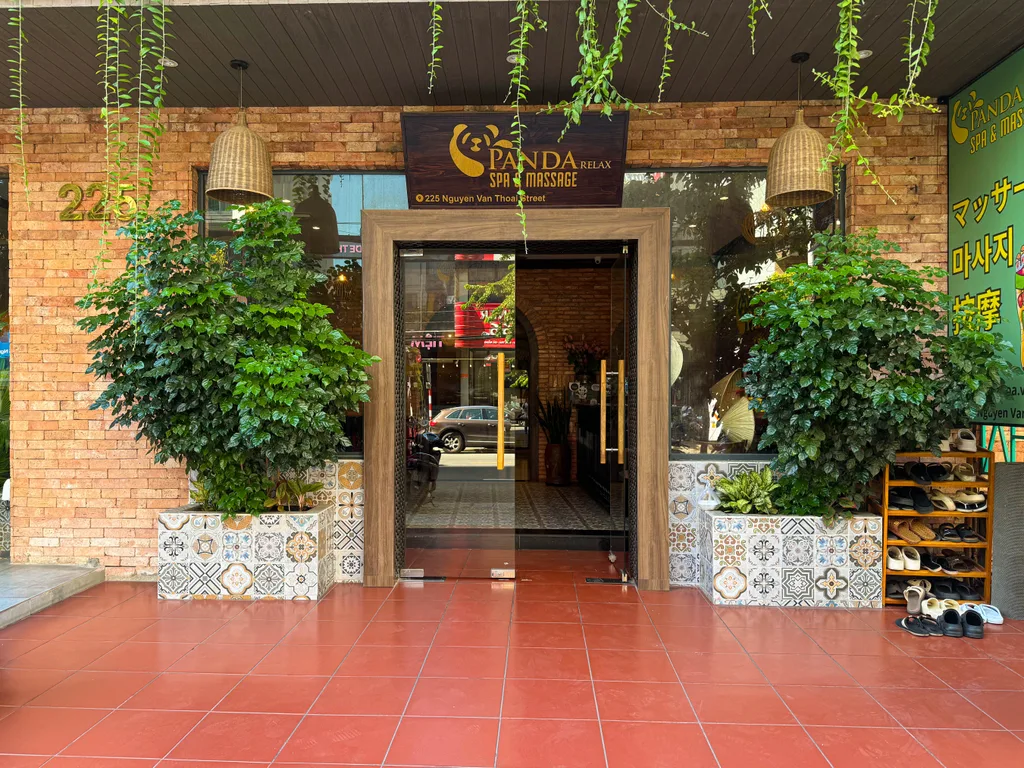
Panda Spa has two branches on Nguyen Van Thoai street (229 & 225C), close to My Khe beach. Our therapists and receptionists share what they learn from guests every day.