Comparing Shiatsu and Acupressure: Medical Mechanisms & How to Choose
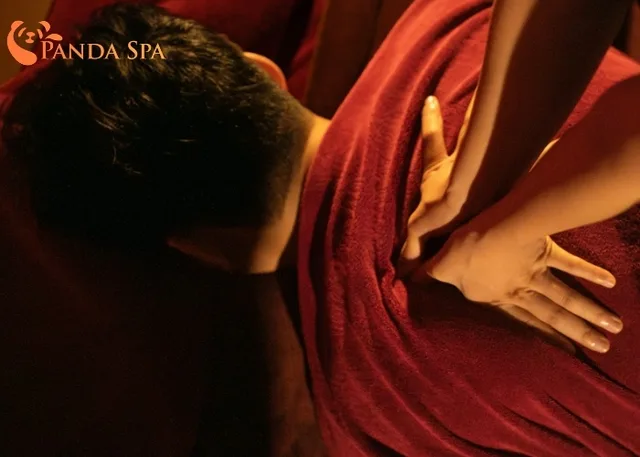
When the body experiences musculoskeletal pain or neurological stress, manual physical therapy methods are always preferred. However, many people still do not clearly distinguish the difference between shiatsu and acupressure. Basically, these are both drug-free therapies that use hand pressure on acupoints to support pain relief, release blockages, and balance the body. This article from experts at Panda Spa will help you understand the mechanisms and choose the most suitable method.
1. Medical Overview: What are Shiatsu and Acupressure therapies?
To understand the core essence and make the right therapeutic decision, we need to examine the origins and medical philosophies that shaped these two methods. Although sharing the common goal of improving health, each technique carries a distinct ideology.
1.1. Acupressure - The Heritage of Traditional Eastern Medicine
Acupressure is a therapeutic method with thousands of years of history, built on the meridian system foundation of Traditional Chinese Medicine. This method operates on the principle of "flow brings no pain, pain signifies blockage" (meridians circulating properly eliminate pain, pain is due to meridian obstruction).
The technician will use static force, concentrating mainly on the thumb to impact deeply into specific acupoints. This pressure helps stimulate the vital energy flow (Qi), supporting the removal of blockages causing localized pain.
1.2 Shiatsu - Modern Japanese Musculoskeletal Therapy Art
Unlike traditional acupressure, Shiatsu (meaning "finger pressure" in Japanese) is a method that emerged later in Japan. It is a perfect intersection between the Eastern meridian foundation and Western anatomical-physiological knowledge.
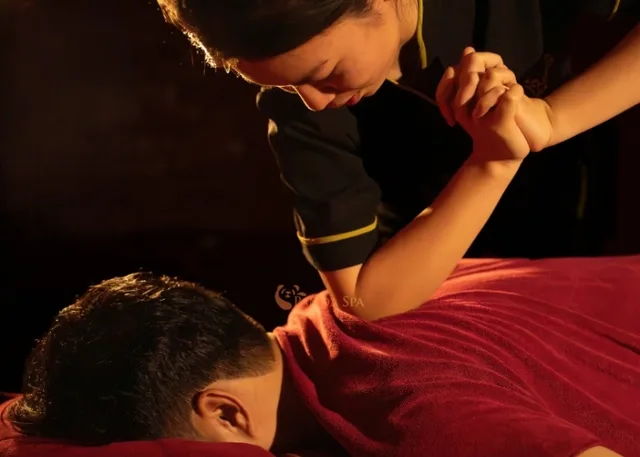
Shiatsu does not just press static acupoints. This method flexibly leverages the practitioner's body weight, combining palms, elbows, knees, and gentle stretching movements to align the skeletal framework and create overall balance.
1.3 Core Commonalities of Both Methods (Quick Summary)
Before diving into the differences, here are the shared features that make shiatsu and acupressure health maintenance therapies highly recommended by professionals:
- Completely needle-free: This is a 100% manual, safe physical therapy solution, perfect for those afraid of invasive acupuncture procedures.
- Impact via the acupoint system: Both borrow external mechanical force to stimulate neurological reflex points beneath the skin.
- Goal of supporting recovery: Contributes to reducing muscle fatigue, supporting blood circulation regulation, and effectively soothing nervous tension.
2. Analysis of the differences between Shiatsu and Acupressure
The biggest difference between these two therapies lies in how mechanical force is directed and the scope of impact on the body. Understanding these criteria helps patients choose the correct regimen to improve their condition.
2.1 Technical and Medical Force Comparison Table
Below is a professional comparison table, directly matching the 3 factors determining the difference between shiatsu and acupressure:
| Features | Shiatsu (Japan) | Acupressure (Traditional) |
|---|---|---|
| Applied Force | Distributed force, using full body weight through palms and elbows. | Deep, sharp, precise pressure concentrated primarily from the thumb. |
| Technique | Rhythmic press-and-release combined with passive stretching and joint adjustment. | Static pressing, holding fixedly at an acupoint for a period of time. |
| Therapeutic Purpose | Balances full-body energy, regulates nerves, releases widespread muscle fatigue. | Treats localized pain points, supports specific pathologies via meridian pathways. |
2.2 Difference in Clinical Approach Goals
Acupressure is usually approached as a targeted therapy. When you have a specific symptom (e.g., headache, nausea, lower back ache), the specialist presses points directly related to that organ to trigger the healing reflex.
Meanwhile, Shiatsu treats the body as a unified whole. A Shiatsu expert will impact continuously along meridian lines across a wide area of the entire body, combining gentle twisting to restore the natural range of motion of the musculoskeletal system.
2.3 Difference in Physical Sensation During Actual Experience
For acupressure, since the pressing force is concentrated on a small cross-section (the tip of the thumb), patients often clearly feel a dull ache, heavy pressure, or "De Qi" (the arrival of Qi) at the pressed point. This is a normal physiological response when muscle knots are released.

Conversely, Shiatsu's force is distributed evenly over the larger contact surface of the palm or elbow. The resulting sensation leans towards firm stability, smoothness, relaxing stretches, and the rate of surface skin bruising is typically much lower.
3. Medical mechanisms of action of Shiatsu and Acupressure
Under the lens of modern medicine, the effectiveness of these two methods lies not just in abstract energetic concepts, but is proven through clear anatomical and physiological evidence. Here is how they intervene in your biological machine.
3.1 Myofascial Release (Fascia) and Spasm Reduction Mechanism
Fascia is the connective tissue matrix that envelopes all muscle strands in the body. Straining or maintaining poor posture for long periods causes this matrix to inflame, dehydrate, and develop trigger points. The muscle block then becomes locked up like a tightly knotted rope.
Mechanical pressure from the specialist's hands in shiatsu and acupressure creates a physical tissue compression phenomenon (Ischemic Compression). When pressed firmly and released, it helps break these inflammatory adhesions, softening the myofascial matrix, thereby effectively restoring muscle elasticity and reducing spasms.
3.2 Promoting Blood Circulation and Peripheral Metabolism
A spasmed muscle zone is an ischemic muscle zone experiencing lactic acid buildup (the fatigue waste product). Rhythmic pressing force acts as an auxiliary pump outside the human body.

When the specialist presses down, stagnant blood carrying waste is squeezed out of the capillaries. Upon releasing the pressure, new oxygen-rich and nutrient-rich blood immediately rushes in. This process enhances localized microcirculation, supporting the re-nourishment of damaged tissue cells.
3.3 Regulating the Autonomic Nervous System (Sympathetic & Parasympathetic)
Under stress or pain, the sympathetic nervous system ("fight-or-flight" mode) is over-activated, raising heart rate and tightening muscles. Steady, deep touch techniques on the skin send safety signals directly to the cerebral cortex.
This response activates the parasympathetic nervous system ("rest-and-digest" mode) while stimulating the body to release natural Endorphins (endogenous painkillers). Consequently, breathing slows, blood pressure stabilizes, and the patient enters a profound state of relaxation.
4. Should you choose Shiatsu or Acupressure therapy?
Choosing the wrong therapy method might result in suboptimal recovery. Based on your current musculoskeletal condition, you can refer to the clinical indications below to make an accurate decision.
4.1 10-Second Quick Selection Table for Busy People
If you don't know what your body needs yet, match your actual symptoms with the summary suggestion table below:
| Your Current Symptoms | Recommended Therapy |
|---|---|
| Sharp, biting pain at a single point (neck, lower back), localized fatigue. | Acupressure |
| Whole-body stiffness, widespread fatigue, difficulty sleeping. | Shiatsu |
| Need to resolve digestive issues or sinus congestion. | Acupressure |
| Prefer a firm, stable pressure combined with joint stretching/twisting. | Shiatsu |
4.2 Who Should Prioritize Acupressure?
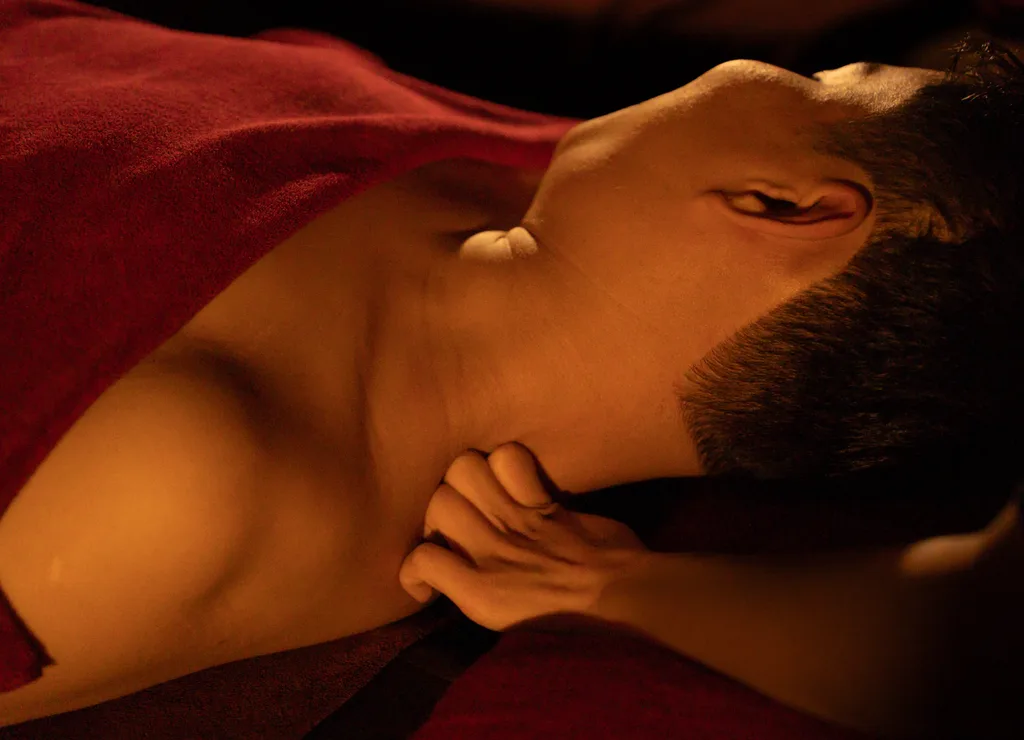
Acupressure is the preferred choice for patients facing point-specific pain or pain along nerve roots. Typical examples include office workers with acute neck-shoulder tension causing tension headaches, or individuals experiencing sciatica pain running down the spine to the legs.
This method utilizes the thumb to navigate deeply between muscle gaps, helping to precisely break down stubborn trigger points. Although the pressure causes an initial heavy, tight sensation, it provides exceptionally sharp pain relief once the hand is released.
4.3 Who fits best with Shiatsu massage therapy?
Shiatsu is the ideal solution for those suffering from chronic stress syndromes, athletes with widespread muscle tension, or elderly individuals with poor systemic blood circulation. If you feel overall body heaviness and stiff joints, this is a perfect passive exercise framework.

The combination of distributed palm pressure rhythm and stretching movements (pulling limbs, rotating hips) loosens the entire connective tissue matrix. This therapy returns flexibility to the body without causing severe aching or bruising due to concentrated force.
4.4 Can Shiatsu and Acupressure be combined simultaneously?
From a physical therapy standpoint, flexibly combining both techniques within a single therapy session is entirely feasible and offers high synergistic efficacy. Many traditional medicine clinics and advanced spas apply this integrated protocol.
The specialist can begin with the distributed force and stretching of Shiatsu to warm up the whole body and loosen superficial fascia. Afterward, they will apply acupressure techniques to target residual localized pain points intensely. This integration delivers a body maintenance process that is both deep and comprehensive.
5. In-Depth Frequently Asked Questions (FAQ)
Below are concise, direct answers to the most common user concerns when learning about shiatsu and acupressure.
5.1 Do Shiatsu and Acupressure cause pain?
Shiatsu uses force distributed evenly via the palms and body weight, so it rarely causes skin surface burning or bruising. You might feel a slight dull ache when the specialist presses on adhered, inflamed muscle areas, but this is a relieving "good pain" sensation completely within normal physiological tolerance thresholds.
5.2 Is Acupressure therapy truly safe?
Acupressure is evaluated as a highly safe physical therapy method when performed by specialists who understand medical anatomy. Safety lies in controlling the proper hand force and accurately identifying acupoints, entirely avoiding drugs or needles, thus eliminating cross-infection or side-effect risks.
5.3 How is Shiatsu different from typical relaxing massages?
Typical relaxing massages (like Swedish massage) use a lot of slippery oil, focusing on stroking and rubbing the skin surface to soothe the mind. In contrast, Shiatsu is usually performed directly through a thin layer of clothing (without oil), focusing on perpendicular pressure, bending, aligning, and stretching techniques to intervene deeply into the musculoskeletal structure.
5.4 Who should absolutely not apply these two methods?
Although safe, shiatsu and acupressure are contraindicated for individuals with open wounds, fractures, acute skin infections, severe osteoporosis, or deep vein thrombosis (DVT). Pregnant women in their first trimester should also consult their obstetrician before undergoing any pressure-inducing therapy on the body.
6. Conclusion: Choosing the right therapy for effective body recovery
From the medical analysis above, it is evident that both shiatsu and acupressure are manual therapies with clear scientific bases in supporting myofascial release, improving blood circulation, and regulating the nervous system. Choosing the correct method matching your bodily condition not only relieves pain more effectively but also contributes to maintaining long-term musculoskeletal health. Instead of enduring prolonged stiffness and fatigue symptoms, you should proactively experience shiatsu and acupressure at Panda Spa as a scientific, safe, and sustainable physical care and recovery solution.
CONTACT NOW
All core contact channels are grouped here so visitors can book or ask quickly.
- Hotline+84 70 818 5397
- Emailbooking@pandaspa.vn
- MessengerPanda Spa
- Kakao TalkPanda Spa
- NaverPanda Spa
- TripadvisorPanda Spa & Massage In Danang City
- Panda Spa & Massage229 Nguyen Van Thoai, An Hai, Da Nang 550000, Viet Nam
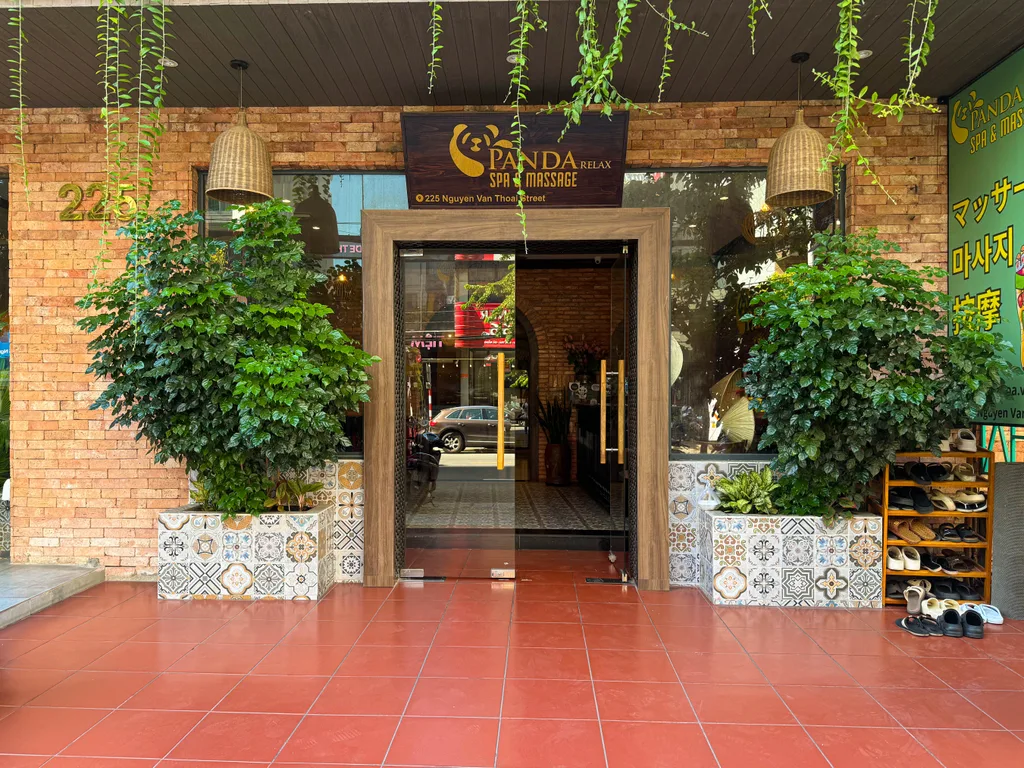
- Panda Relax Spa225c Nguyen Van Thoai, An Hai, Da Nang 550000, Viet Nam
Panda Spa has two branches on Nguyen Van Thoai street (229 & 225C), close to My Khe beach. Our therapists and receptionists share what they learn from guests every day.