Thai vs Vietnamese Massage - What is the Difference?
Understanding the difference between thai and vietnamese massage helps you choose the right treatment for your travel needs. Thai massage focuses on dry stretching and assisted movement, while Vietnamese massage typically emphasizes flowing strokes, acupressure, and relaxation. At Panda Spa, you can compare both approaches and choose the experience that suits you best.
1. What Is the Difference Between Thai and Vietnamese Massage
Understanding the fundamental difference between thai and vietnamese massage means looking past the spa menu and examining their distinct healing philosophies. While both modalities share the ultimate goal of restoring physical balance and mental wellbeing, they take completely opposite routes to get there. One acts as an engaging, movement-based therapy to clear energy blockages, while the other serves as a deeply nurturing, sensory-rich experience designed to sedate the nervous system entirely.
1.1. Core Techniques Used in Each Style
To grasp how these therapies affect your body physically, it is easiest to look at the primary movements the practitioners utilize. The mechanical contrast is night and day:
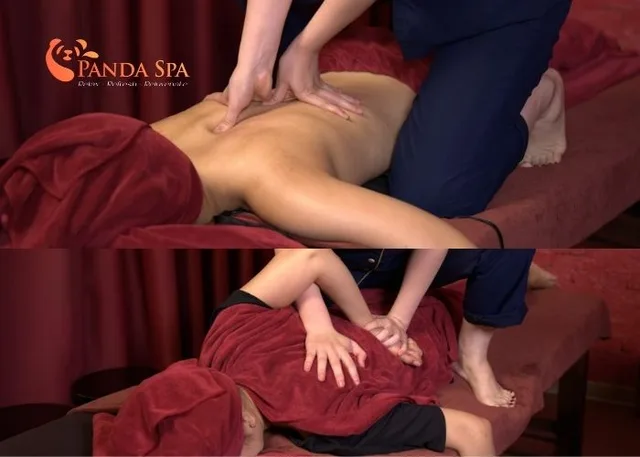
- The Thai Approach: This relies heavily on leverage and compression. Therapists use their thumbs, forearms, elbows, and feet to apply deep rhythmic pressure along the body's "Sen" energy lines. You are actively moved into various yoga-like postures to stretch the fascia and decompress major joints.
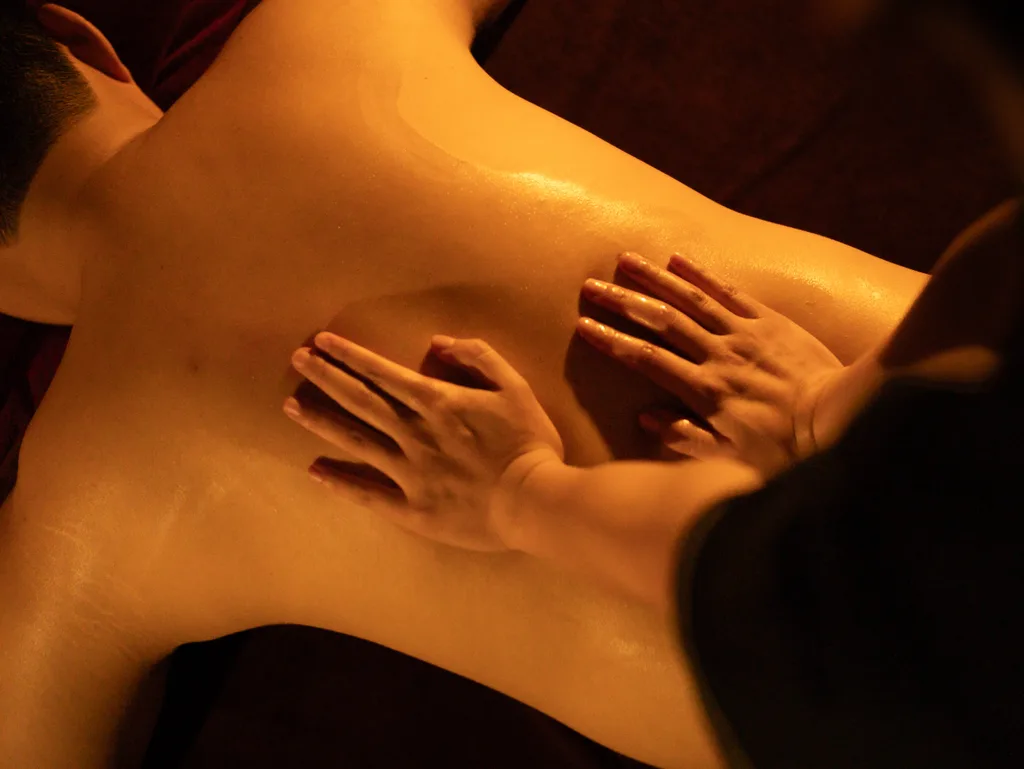
- The Vietnamese Approach: This focuses entirely on manipulating the soft tissues. Practitioners utilize smooth, continuous strokes, deep skin rolling, and targeted acupressure. The therapist stays focused on working out specific muscle knots rather than stretching your limbs.
By comparing these massage techniques, it becomes clear that Thai bodywork requires constant physical engagement, whereas the Vietnamese style allows you to remain completely still and passive.

1.2. The Role of Oils and Aromatherapy
The sensory environment during your session is heavily dictated by the presence-or absence-of skin lubricants. This factor alone often determines which therapy a guest will prefer.
"Thai therapy focuses on friction and grip, requiring a completely dry surface. Vietnamese therapy focuses on glide and flow, relying heavily on the therapeutic properties of heated oils."
During a traditional Thai session, absolutely no lotions or creams are applied. The therapist needs a firm, slip-free grip to pull and stretch your body safely. In stark contrast, Vietnamese treatments generously incorporate warm natural herbal oils and soothing botanical balms. These liquids dramatically reduce skin friction, allowing for long, sweeping strokes that deeply nourish the epidermis while the aromatic scents actively calm your racing mind.

2. Side by Side Comparison Thai vs Vietnamese Massage
If you are short on time and need to make a quick booking decision, evaluating these two modalities side by side is highly effective. This quick-reference comparison highlights the most critical elements of the difference between thai and vietnamese massage, outlining exactly what you will experience from the moment you lie down to the moment you leave the spa.
| Criteria | Thai Massage | Vietnamese Massage |
|---|---|---|
| Execution Style | Dynamic, interactive, and stretching-based | Smooth, continuous, and pressure-based |
| Use of Products | 100% dry (No oils, lotions, or balms used) | Heavily relies on warm oils and herbal packs |
| Client Attire | Fully clothed in a loose, breathable spa outfit | Undressed to undergarments, covered with towels |
| End Result | Energized, increased joint mobility, highly alert | Deeply relaxed, muscle tension relieved, sleepy |
3. Key Differences in Massage Kỹ Thuật (Techniques)
The specific mechanical execution of the therapy is what ultimately solves your physical ailments. Exploring the step-by-step reality of these practices reveals why the difference between thai and vietnamese massage matters so much to your muscles and skeletal structure. Each method has been carefully refined over centuries to trigger specific physiological responses.
3.1. Thai Massage Techniques: Yoga Stretches and Joint Mobility
To understand the sheer physical dynamic of this ancient practice, it helps to walk through the standard chronological progression of a session. It is anything but a standard rub-down:
- Rhythmic Compression: The therapist begins by using their palms and thumbs to apply deep, pulsing pressure along your legs and back to warm up the major muscle groups.
- Limb Manipulation: Your arms and legs are carefully lifted, rotated, and pulled to clear stiffness from the hip and shoulder sockets.
- Spinal Decompression: Utilizing deep yoga stretching, the practitioner may use their knees or feet against your back while pulling your arms backward to dramatically open your chest cavity and align the spine.
This sequence acts as a forced musculoskeletal reset. It aggressively flushes lactic acid, dramatically improves systemic blood circulation, and leaves you feeling physically taller and lighter.
[booking-cards serviceIds=2]
3.2. Vietnamese Massage Techniques: Oil Kneading and Herbal Heat
In contrast to the rigorous stretching of the Thai method, the Vietnamese approach focuses entirely on localized tissue repair and sensory relaxation. The core components of this therapy include:
- Deep Tissue Rolling: Thumbs and knuckles glide forcefully across oiled skin to break up stubborn fascia adhesions.
- Targeted Acupressure: Precise, sustained finger pressure is applied directly into painful knots (trigger points) located in the neck and shoulders.
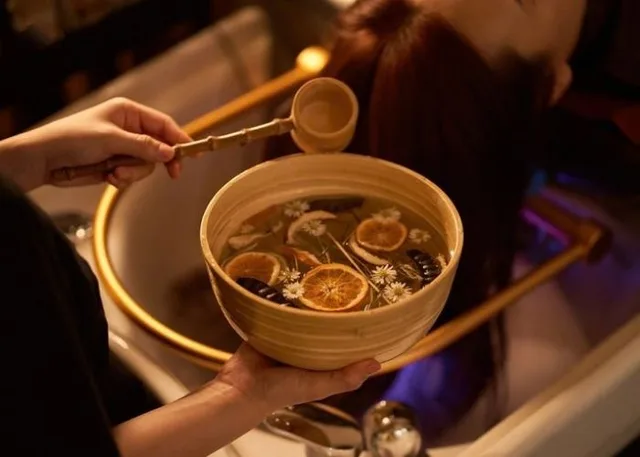
- Traditional Thermal Therapy: Freshly steamed, localized herbal compress packs are firmly pressed along the spinal column to drive healing heat deep into inflamed muscle fibers.
This highly soothing combination of smooth strokes and botanical heat sedates the central nervous system rapidly, making it the perfect remedy for severe anxiety and physical exhaustion.
3.3. Differences in Spa Attire and Treatment Room Setup
The physical environment surrounding you dictates your psychological comfort. Here is what you will physically encounter in the treatment rooms:
Because Thai therapy requires intense flexibility and uses zero oils, you remain fully clothed. You will wear a provided loose-fitting cotton outfit, and the session occurs on a wide, firm mat placed directly on the floor to give the therapist maximum mechanical leverage.
Conversely, a Vietnamese session takes place on a standard, highly padded, elevated massage bed. You will undress down to your personal comfort level, and the therapist will use professional, heated towel draping to ensure you remain completely warm and modestly covered while they work with the oils.
4. Which Massage Style Should You Choose for Your Body
Recognizing the academic difference between thai and vietnamese massage is only helpful if you apply it to your own bodily needs. To make the best choice, consider what physical state you are currently in and how you want to feel when you walk out the door. Let’s look at some real-world scenarios.
4.1. Choose Thai Massage for Deep Stretching and Energy
Ideal For: The Active Explorer & The Long-Haul Flyer
Imagine you just stepped off a 14-hour cramped flight, or you spent the entire previous day hiking up the Marble Mountains. Your lower back is completely locked up, your hamstrings feel like tight guitar strings, and your posture is slouched. Thai bodywork is your ultimate solution.

You do not need a gentle lullaby; you need your joints cracked, your spine elongated, and your blood pumping. This therapy will aggressively iron out the extreme stiffness, leaving you highly invigorated, noticeably more flexible, and packed with the natural energy required to continue your vacation without pain.
4.2. Choose Vietnamese Massage for Gentle Relaxation and Relief
Ideal For: The Stressed Executive & The Jet-Lagged Traveler
Now imagine you have been dealing with severe work anxiety, your mind is racing, you haven't slept well in days, and you suffer from a dull, constant ache across your shoulders. The traditional Vietnamese style is your sanctuary.

The long, continuous, flowing strokes combined with the earthy scent of heated botanical oils create an incredibly safe, deeply tranquil environment. The smooth, gliding pressure works gently to dissolve tension without the jarring intensity of joint manipulation, very frequently lulling exhausted guests into a peaceful, highly restorative sleep right there on the table.
4.3. Combining Both Styles for Full Body Recovery
What happens when your body craves the deep joint relief of assisted stretching, but your mind desperately wants the soothing touch of warm oils? The answer lies in a specialized fusion package.
Formula for Total Recovery:
45 Mins Thai Joint Stretching + 45 Mins Vietnamese Deep Tissue Oil Therapy
Many elite wellness centers allow you to combine these traditional spa treatments. By intentionally blending the two methods, the therapist can mechanically release stubborn joint stiffness during the first half of the session on the floor mat, followed immediately by transitioning you to a warm bed for deep tissue oil therapy to gently melt away any remaining superficial muscle tension.
5. Why Panda Spa Delivers Excellent Wellness Experiences
Understanding the difference between thai and vietnamese massage helps you pick the right therapy, but selecting a highly reputable facility guarantees a safe, professional execution. As a top-rated destination in Da Nang, we are profoundly committed to delivering authentic healing experiences tailored specifically to your exact physical threshold.
5.1. Professionally Certified Therapists
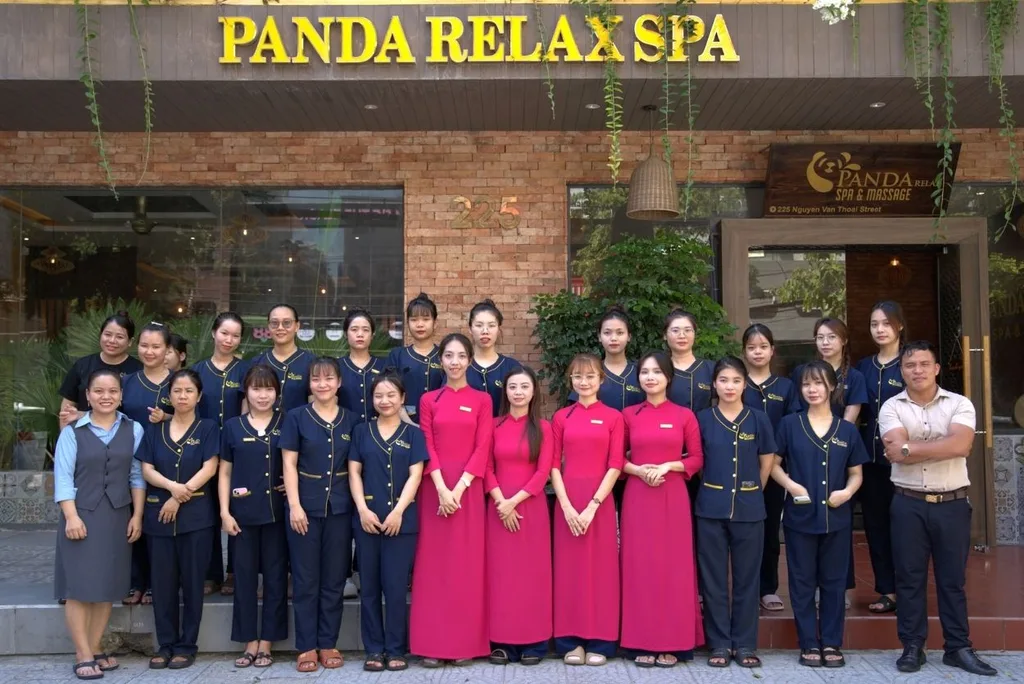
The ultimate effectiveness of any physical therapy relies entirely on the practitioner's anatomical knowledge. Our dedicated team is meticulously trained to handle both complex modalities. Here is what sets them apart:
- Anatomical Expertise: Deep understanding of muscle groups to avoid injury during heavy stretches.
- Pressure Calibration: The ability to seamlessly adjust thumb and elbow pressure based on your personal pain tolerance.
- Continuous Training: Regular skill updates from master trainers to ensure traditional techniques remain purely authentic.
Whether guiding you through an intricate yoga fold or targeting a microscopic trigger point, our staff ensures a profoundly safe and effective session.
5.2. Pure Organic Oils and Freshly Steamed Herbal Packs
We firmly believe that everything applied externally to your body should actively heal and protect it. We refuse to cut corners on our raw materials. For all of our oil-based and thermal therapies, we strictly utilize premium, 100 percent natural organic coconut oils that deeply hydrate the skin without clogging pores.

Furthermore, our traditional herbal compress packs are freshly assembled and steamed on-site for every single guest. These packs contain potent, locally sourced ginger, lemongrass, and camphor that release powerful botanical aromas to clear the respiratory system while the heat penetrates aching muscles.
5.3. Transparent Pricing in VND and Free City Transport
We consistently strive to make your entire wellness journey absolutely seamless and financially stress-free from the moment you contact us. Our commitment to guest convenience includes:
- No Hidden Costs: All comprehensive menu prices are clearly listed in local VND, with a strict policy of no hidden taxes or forced tipping.
- Complimentary Transport: We proudly offer free pick-up and drop-off services within Da Nang city limits.
- Easy Booking: Fast, responsive communication via our website and social channels to secure your preferred time slots effortlessly.
You can simply relax in our clean vehicles and enjoy your therapy without ever worrying about navigating chaotic local traffic or haggling over prices.
6. Frequently Asked Questions (FAQ)
International guests frequently harbor minor apprehensions when exploring foreign therapies for the first time. Below are the most common inquiries regarding the difference between thai and vietnamese massage, answered thoroughly to provide you with complete peace of mind.
6.1. Is Thai massage more painful than Vietnamese massage?
Thai massage can feel more intense than Vietnamese massage because it uses firm pressure, assisted stretching, and joint movement. Vietnamese massage generally uses smoother strokes, kneading, and adjustable pressure. Neither should feel painful, so tell your therapist if the pressure is too strong.
6.2. Do I need to undress for a traditional Thai massage?
No. Traditional Thai massage is usually performed fully clothed without oil. You typically wear loose, comfortable clothing that allows your therapist to move and stretch your arms and legs easily. Many spas provide suitable clothing for the session.
6.3. Can I request both Thai stretching and Vietnamese oil massage?
Yes, if the spa offers combination treatments. You can request Thai stretching followed by Vietnamese oil massage, or choose one style for the entire session. Before booking, confirm the available combination, duration, and price with the spa.
7. Choosing Between Thai and Vietnamese Massage
The main difference between thai and vietnamese massage is the way each treatment works. Thai massage focuses on dry pressure, stretching, and assisted movement, while Vietnamese massage typically uses flowing strokes, kneading, and oil-based techniques for relaxation. Choose the style that best matches your preferred pressure and massage experience, and visit Panda Spa in Da Nang to discuss your options before booking.
CONTACT NOW
All core contact channels are grouped here so visitors can book or ask quickly.
- Hotline+84 70 818 5397
- Emailbooking@pandaspa.vn
- MessengerPanda Spa
- Kakao TalkPanda Spa
- NaverPanda Spa
- TripadvisorPanda Spa & Massage In Danang City
- Panda Spa & Massage229 Nguyen Van Thoai, An Hai, Da Nang 550000, Viet Nam
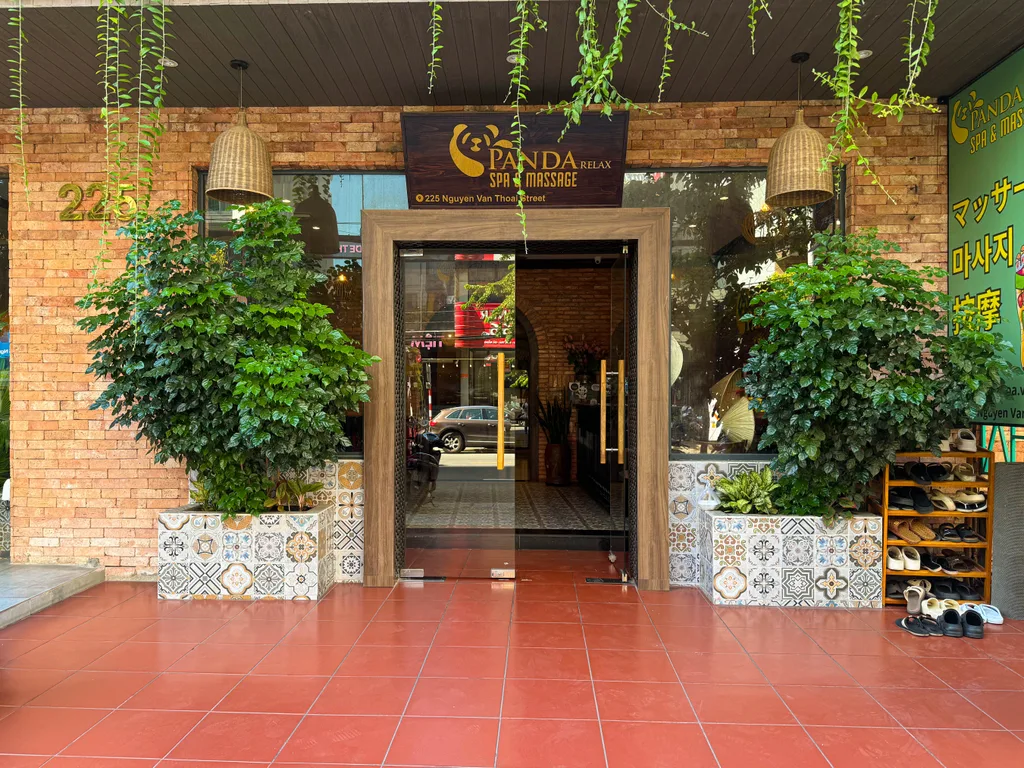
- Panda Relax Spa225c Nguyen Van Thoai, An Hai, Da Nang 550000, Viet Nam

Panda Spa has two branches on Nguyen Van Thoai street (229 & 225C), close to My Khe beach. Our therapists and receptionists share what they learn from guests every day.