Why Do I Still Have Dandruff After Washing My Hair? Causes and Remedies
Many people often feel frustrated and ask why do I still have dandruff after washing my hair even though they have cleaned their hair very thoroughly. The condition of white flaking not only causes itching but also greatly affects aesthetics. According to customer service experience at Panda Spa, most causes are not entirely pathological but stem from hygiene habits and choosing the wrong products. Let's find out the core causes and scientific remedies right in this article.
1. Core causes of a dandruff scalp
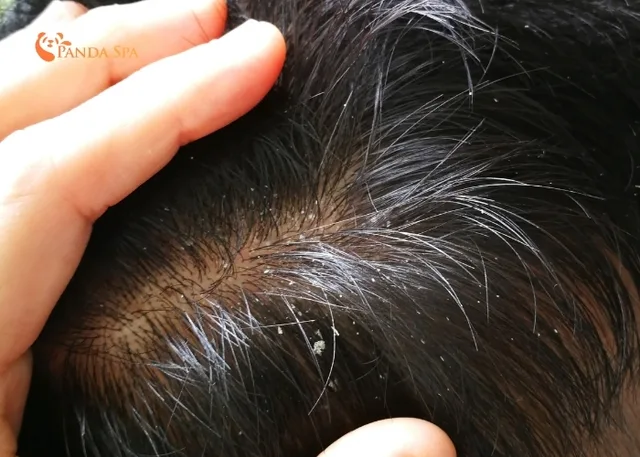
The scalp continuously undergoes the process of regenerating new cells. When this cycle operates stably, dead cells flake off in microscopic forms, invisible to the naked eye. However, when this cycle is disrupted by environmental impacts, hormones, or microorganisms, the flaking rate will be faster. Dead cells stick together with sebum, forming white flakes called dandruff.

Especially in areas with a hot and humid tropical climate like Ho Chi Minh City, sebaceous glands usually operate more strongly. A humid environment with a lot of excess oil is a favorable condition for Malassezia fungi (a natural fungus on the scalp) to multiply, causing irritation and accelerating the dandruff formation process.
2. Reasons why you still have dandruff after washing your hair
Many customers, when coming for hair care, often mistakenly believe that just using a lot of shampoo and scratching hard will clear dandruff. Below are the 10 most common reasons why your hair still has white flakes right after showering.
2.1. Choosing inappropriate cleansing products
Sulfate is a strong cleansing foaming agent commonly found in shampoos. For some people, sulfate can strip away natural moisture, making the scalp dry and tight. This makes the flaking condition more pronounced, or stimulates the sebaceous glands to secrete more oil to compensate for moisture, leading to greasy dandruff.
2.2. Habit of scratching the head too hard when washing

Using fingernails to scratch hard does not help remove dandruff but also creates microscopic scratches. This damage weakens the epidermal barrier, making the scalp susceptible to infection and stimulating the production of keratinocytes faster than normal.
2.3. Using conditioner or hair mask incorrectly
Conditioners contain many softening nutrients. If you apply this product directly close to the hair roots or scalp, they will clog the hair follicles. This residual amount of nutrients combined with dead cells will form sticky dandruff patches right after the hair dries.
2.4. Using overly hot water to wash hair

High-temperature water evaporates the physiological moisture of the skin. A suddenly dehydrated scalp will become dry, burning, and flake into fine speckled scales. At the same time, a hair dryer turned on at maximum heat pointing close to the hair roots also causes similar consequences.
2.5. Unscientific hair washing frequency
Washing hair too infrequently causes sebum and sweat to accumulate, creating an environment for fungi to grow. Conversely, washing hair multiple times a day will wash away the protective lipid layer, making the scalp sensitive, dry, and prone to dandruff flakes.
2.6. Diet and stress state

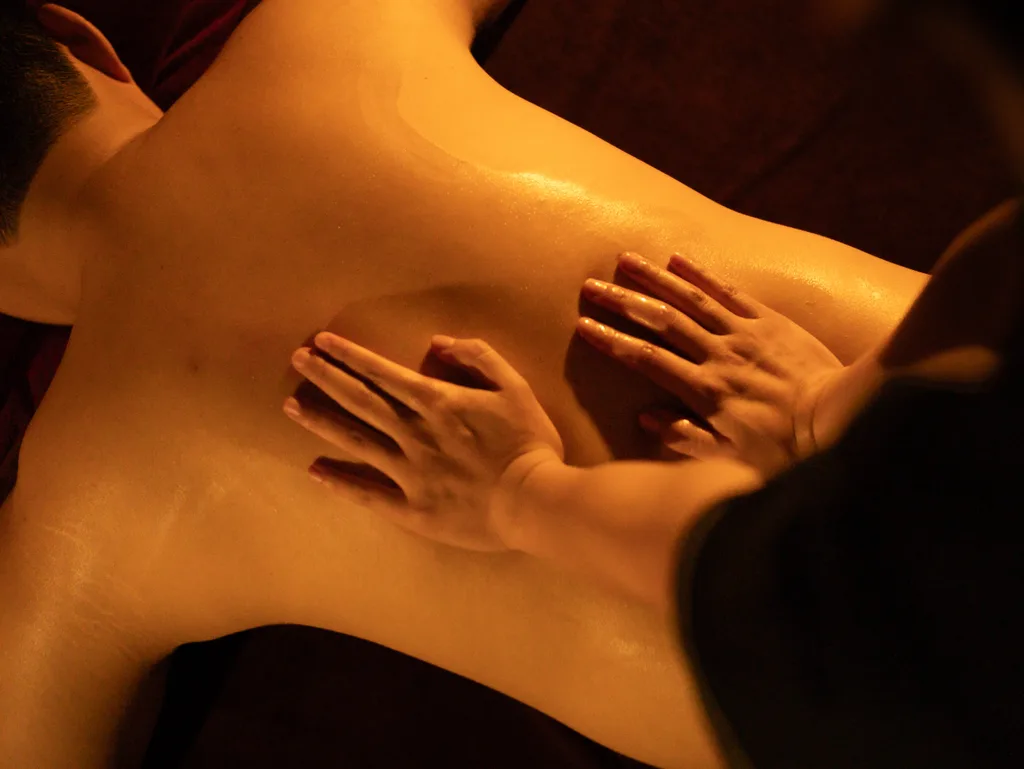
Prolonged stress increases cortisol hormone levels, causing local immune system decline and stimulating sebaceous glands. A diet high in sugar, refined starches, and grease also contributes to promoting inflammatory reactions, making dandruff harder to control. Seeking pressure relief solutions like doing yoga or experiencing therapeutic Da Nang Massage is very necessary to rebalance hormones.
2.7. Accumulation phenomenon due to poor rinsing
Rushing in the rinsing step causes soap residue to stagnate. Especially in hidden areas like the back of the neck or ear rims. When the hair dries, these residual chemicals will cause irritation, tingling itchiness, and form white flakes.
2.8. Going to bed with wet hair
The humid and warm environment when the scalp is incubated in a pillow is the most ideal condition for bacteria and Malassezia yeasts to multiply, causing dandruff and itching sensations to flare up strongly the next morning.
2.9. Changing shampoo too frequently
Continuously changing products with different pH levels and active ingredients makes the scalp microbiome unable to adapt in time, easily leading to imbalance and irritation causing epidermal flaking.
2.10. Pathology of seborrheic dermatitis or fungus

If you have adjusted your habits but dandruff still appears densely, the cause may be due to pathologies such as seborrheic dermatitis, psoriasis, or scalp fungus. These pathologies require specialized products or prescription drugs from a doctor and cannot be solved by ordinary cosmetic shampoos.
3. Distinguishing dandruff types and how to choose products
Correctly identifying the type of dandruff helps you choose a more effective treatment method. Below is a table distinguishing the two most common dandruff groups:
| Characteristics | Dry dandruff | Oily dandruff (Seborrheic dermatitis) |
|---|---|---|
| Color | Pure white | Pale yellow, opaque |
| Texture | Small, porous flakes | Large patches, sticky and moist |
| Manifestation | Very easy to fall loosely onto shirt shoulders | Clings tightly to the scalp and hair roots |
| Skin state | Dry, tight feeling | A lot of oily sebum, may be accompanied by red patches |
| Suggested products | Mild moisturizing shampoo, pH balanced | Shampoo containing Zinc Pyrithione, Ketoconazole |
If the dandruff condition is related to Malassezia fungi, you should look for products containing active ingredients like Selenium Sulfide or Ketoconazole to help control fungi. However, only use with a frequency of 2-3 times/week as directed to avoid drying out the hair.
4. Scientifically standard instructions on how to wash hair without dandruff
Changing cleansing techniques can significantly improve flaking conditions. This is the foundation of how to wash hair properly: Start by using cool or mildly warm water (about 35-37 degrees Celsius). Lather the shampoo in your palms before applying it to the hair roots. Use the fleshy pads of your fingers to massage in circular motions to dissolve sebum, absolutely do not scratch with nails.
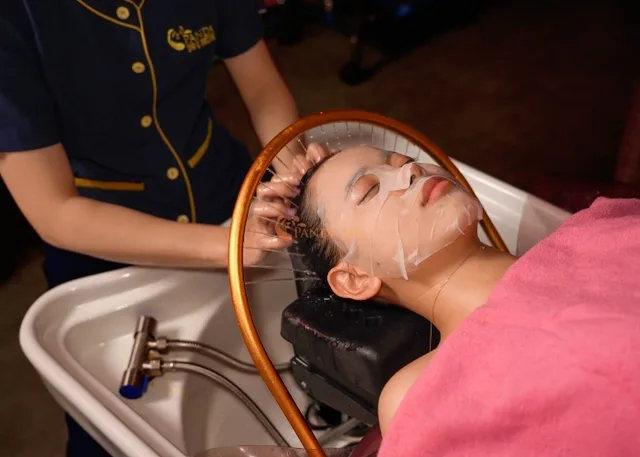
The most important step is rinsing. Rinse continuously and run your fingers through your hair until you feel the hair slightly squeaky, which is a sign that all soap residue has washed away. Finally, pat dry with a microfiber towel and blow-dry the roots using the cool wind mode.
5. Scalp care to prevent dandruff recurrence

For the scalp's protective barrier to always be healthy, you need to maintain a reasonable lifestyle. Supplement foods rich in Zinc, Omega-3, and B Vitamins into your meals to support regulating sebaceous glands from the inside. At the same time, limit the continuous use of bleaching, dyeing, and curling chemicals on a sensitive scalp. Regularly maintaining the hygiene of helmets and pillowcases is also a way to prevent fungal spores from reinfecting.
6. Home dandruff treatment tips and medical notes
Many people often apply folk methods to control dandruff. Below are common measures along with necessary notes to ensure scalp safety.
6.1. Use diluted fresh lemon juice
The natural acidity in lemons helps clean excess oil temporarily. However, lemons do not have the effect of destroying fungi. Abusing lemon juice or rubbing it directly can alter the natural pH, causing stinging and damaging the epidermis.
6.2. Be cautious when using Baking Soda
Baking soda acts as a physical exfoliant and absorbs oil. Although it has a temporary effect, Baking soda is highly alkaline (pH about 9). Frequent use will unbalance the physiological acid mantle (pH 5.5) of the scalp, making hair brittle and easy to break.
6.3. Soothe with aloe vera essence

Fresh aloe vera gel has very good anti-inflammatory and moisturizing properties. Applying aloe vera gel before washing helps cool, reduce burning itch sensations, and supports the recovery of skin areas scratched by scratching. This is a relatively benign and safe method.
7. When to visit a dermatologist
If you have adjusted your care routine but the situation of why do I still have dandruff after washing my hair persists for over 4 weeks, you should see a doctor. Especially when symptoms appear such as: thick scaly dandruff patches, red inflamed scalp, painful swelling, oozing pus, or accompanied by patchy hair loss. These are signs of pathologies that need specialized medical diagnosis and treatment.
8. Relaxing scalp solutions at a professional spa
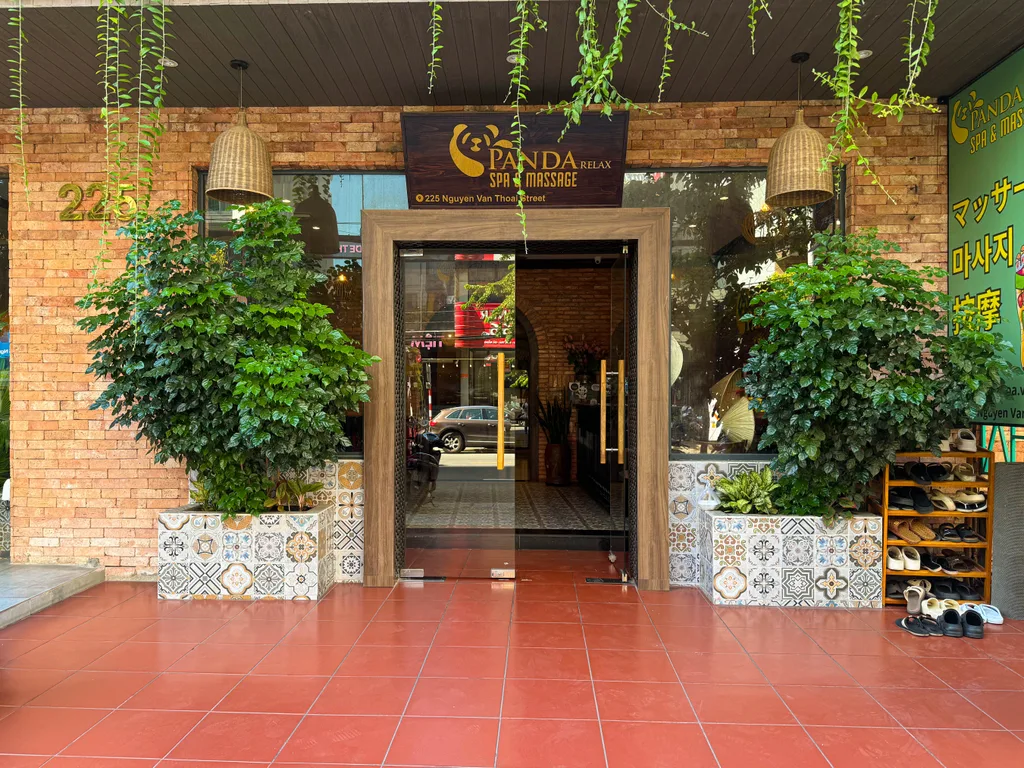
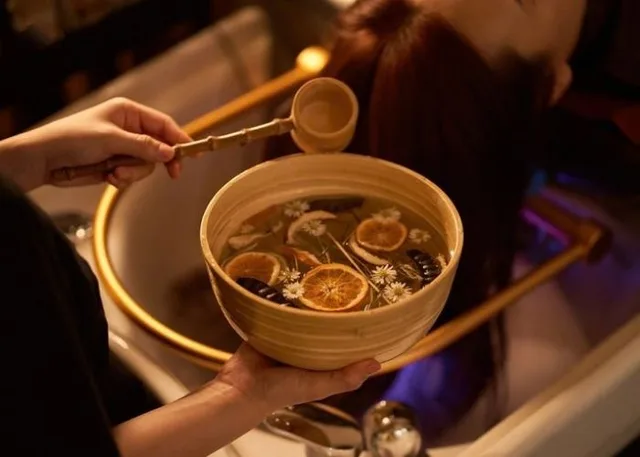
According to experience from a reputable Da Nang Spa like Panda Spa, stress and fatigue are one of the silent agents making dandruff easily flare up. Experiencing herbal hair wash treatments combined with boiled herbal water not only helps gently clean sebum but also supports relaxing the nervous system.

Da Nang Massage techniques on the head, neck, shoulders, and nape help enhance blood circulation and relieve pressure. Although massage cannot replace anti-fungal medication, maintaining a refreshed spirit and a well-ventilated scalp environment is a solid foundation for nourishing healthy hair.
9. Frequently asked questions about dandruff after washing
Many people still wonder whether hair washing, shampoo choice, or cleaning frequency affects dandruff conditions. Below are frequently asked questions to help you understand better and care for your scalp properly.
9.1. If I see dandruff after washing my hair, should I wash it again immediately?
Absolutely not. Washing again immediately with soap will wash away the entire newly formed physiological protective lipid layer, making the scalp excessively tight and dry. Then, the sebaceous glands will be stimulated to secrete more oil to defend themselves. You should only use a comb lightly to remove white flakes and wait until the next wash to adjust your cleaning technique.
9.2. Should medical anti-dandruff shampoos be used daily?
Specialized anti-dandruff shampoos containing active ingredients like Ketoconazole or Selenium Sulfide often have strong pharmacological detergent properties. Abusing them daily can cause dry hair and wear away the epidermis. Dermatologists recommend only using 2-3 times/week; on other days, you can wash alternately with mild moisturizing herbal products.
9.3. What disease is itching and large patchy dandruff after washing?
If you have flaking in large patches, turning yellow, sticky, and accompanied by intense itching right after the hair dries, it is highly likely that you are suffering from seborrheic dermatitis or scalp fungus infection. This condition cannot be overcome by yourself with ordinary cosmetic shampoos but requires a specific treatment regimen from a dermatologist.
10. Why do I still have dandruff after washing my hair and how to fix it effectively
Hopefully, the article has helped you find the cause of why do I still have dandruff after washing my hair and orient appropriate care habit adjustments. Apply scientific cleaning processes and use products correctly to protect the scalp. If you need a space to reduce stress and relax the scalp periodically, visit Panda Spa to experience professional care services.
CONTACT NOW
All core contact channels are grouped here so visitors can book or ask quickly.
- Hotline+84 70 818 5397
- Emailbooking@pandaspa.vn
- MessengerPanda Spa
- Kakao TalkPanda Spa
- NaverPanda Spa
- TripadvisorPanda Spa & Massage In Danang City
- Panda Spa & Massage229 Nguyen Van Thoai, An Hai, Da Nang 550000, Viet Nam
- Panda Relax Spa225c Nguyen Van Thoai, An Hai, Da Nang 550000, Viet Nam

Panda Spa has two branches on Nguyen Van Thoai street (229 & 225C), close to My Khe beach. Our therapists and receptionists share what they learn from guests every day.