Why Is My Scalp Still Itchy After Washing? Causes and Solutions
Many people often wonder why is my scalp still itchy after washing despite having cleaned their hair thoroughly. The tingling itch is not only uncomfortable but also a warning sign that the scalp is irritated or experiencing a pathological issue that needs care. In this article, Panda Spa will analyze common causes from a scientific perspective and guide you on effective home remedies to regain comfort and confidence.
1. Causes of an itchy scalp even after washing
The human scalp is an extremely sensitive and complex ecosystem, comprising a network of capillaries, sebaceous glands, and a natural microbiome. Daily hair washing is not simply using soap lather to wash away mechanical dirt; in fact, this is a chemical interaction process between the physiological lipid membrane protecting the skin and cleansing active ingredients. If this process encounters an error due to the product or technique, the body will immediately issue a reactive signal.
Let's dive into analyzing the 4 most common physiological mechanisms that cause this uncomfortable condition even when you have just stepped out of the bathroom.
[booking-cards serviceIds=14]
1.1. Chemical buildup due to improper rinsing

One of the most common causes is not rinsing thoroughly enough. If shampoos and conditioners are not completely washed away, they will stagnate at the hair roots and the nape of the neck. This accumulated product residue can clog and irritate hair follicles, significantly increasing the itching sensation, especially when the hair has just been blow-dried.
1.2. Scalp is sensitive to shampoo ingredients
Many people possessing a sensitive scalp foundation can react negatively to the ingredients in their daily shampoo bottle itself. The constitution can be irritated by artificial fragrances, preservatives, or strong detergent surfactants like Sodium Lauryl Sulfate (SLS). These ingredients strip away the physiological moisture membrane, making the scalp tight and dry. In addition, using products containing a lot of silicone, if not cleansed properly, also contributes to increasing the risk of irritation.
1.3. Fungi and dermatological diseases

The outbreak of Malassezia fungi is a persistent cause of dandruff and seborrheic dermatitis, leading to intense itching. In addition, pathologies like psoriasis and scalp eczema can also cause continuous flaking and itching regardless of day or night. In these cases, washing hair with ordinary cosmetics only takes away the surface dirt layer but does not control the growth of pathogens.
1.4. Dehydrated scalp due to incorrect hair drying habits

The habit of using the hairdryer at the maximum temperature setting and holding the nozzle too close to the scalp will evaporate all the natural water reserves under the dermis. When the scalp loses moisture suddenly, it will become dry, burning, flake into fine patches, and transmit irritation signals through an uncomfortable tingling itch.
1.5. Summary table of causes and identification signs
Still being itchy after washing hair is usually due to a combination of many factors, from hygiene habits, reactions to care products, to underlying medical conditions. After detailing the mechanisms above, below is a quick comparison table to help you easily narrow down your problem:
| Cause | Characteristic identification signs |
|---|---|
| Shampoo/conditioner residue | Tingling itch at the nape of the neck a few minutes after washing, hair quickly gets sticky. |
| Cosmetic allergy | Sensitive scalp becomes red, feeling a slight stinging, burning sensation. |
| Common dandruff | Flaking tiny white scales, falling loosely onto shirt shoulders. |
| Seborrheic dermatitis | Appearance of red patches, yellowish oily scales clinging tightly to hair roots. |
| Scalp fungus | Intense continuous itching, accompanied by patchy hair loss. |
| Dry, moisture-lacking scalp | Feeling of tight skin, fine flaking but not red or greasy. |
2. How to fix scalp itching at home
Once the core cause has been identified, adjusting basic care habits is the first important step to soothe the scalp, supporting the restoration of the natural physiological protective barrier.
2.1. Change rinsing and drying techniques

To ensure no chemical residue remains, spend at least 2-3 minutes rinsing hair with cool water, stroking thoroughly from roots to ends. Regarding drying, prioritize using a soft microfiber towel to absorb excess water. When using a hairdryer, always choose cool or mildly warm wind modes, keep the dryer at least 15-20cm away from the scalp and move it continuously.
2.2. Choose mild or pharmacological shampoos
If you suspect itching due to irritation, immediately switch to mild, natural extract, sulfate-free shampoos or those without strong fragrances. However, an important medical note: You should only consider using medical anti-fungal scalp shampoos containing Ketoconazole, Selenium sulfide, or Zinc Pyrithione when there are clear signs of fungus or patchy dandruff. Absolutely do not abuse these products long-term without a doctor's prescription to avoid drying out the scalp.
2.3. Apply massage techniques instead of scratching

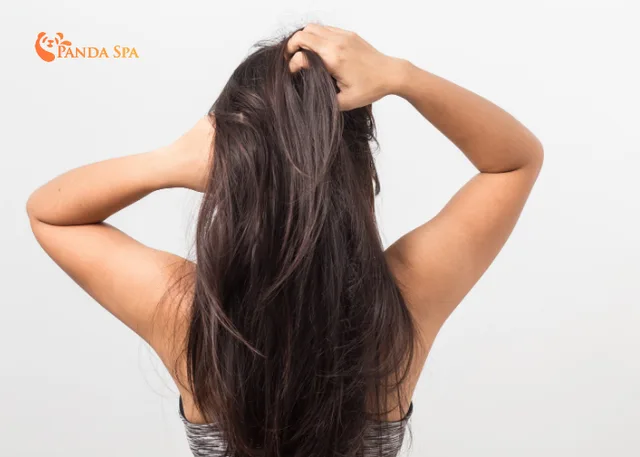
The itching sensation often urges us to scratch hard with our nails. However, this action creates countless small scratches, damaging the epidermis and increasing the risk of infection. Instead, use the fleshy pads of your fingers to massage in circular motions. This is the secret to washing hair properly to help remove sebum deeply while ensuring absolute safety for the scalp.
3. Does a scalp massage help reduce itching after washing?
Besides cleansing and pathological factors, prolonged psychological stress can also increase the itching sensation, or cause existing dermatological diseases like seborrheic dermatitis and eczema to flare up more strongly. Combining massage is an extremely positive supportive therapy.
3.1. Relax the nervous system and blood circulation

Rhythmic scalp massage does not directly kill fungi, but it helps relax the central nervous system and reduce muscle tension in the neck and shoulders. This impact supports blood circulation, bringing a more abundant supply of oxygen and nutrients to the hair follicle system, thereby creating a pleasant feeling and alleviating irritating impulses that cause itching.
3.2. Experience scalp restoration at a professional Spa

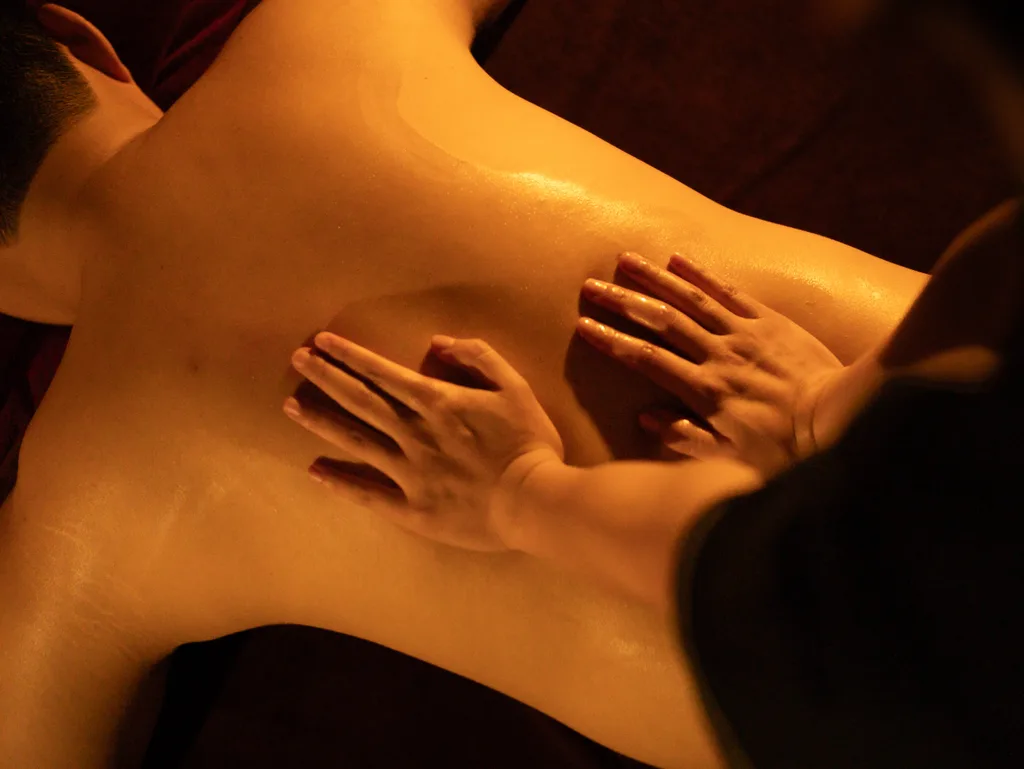
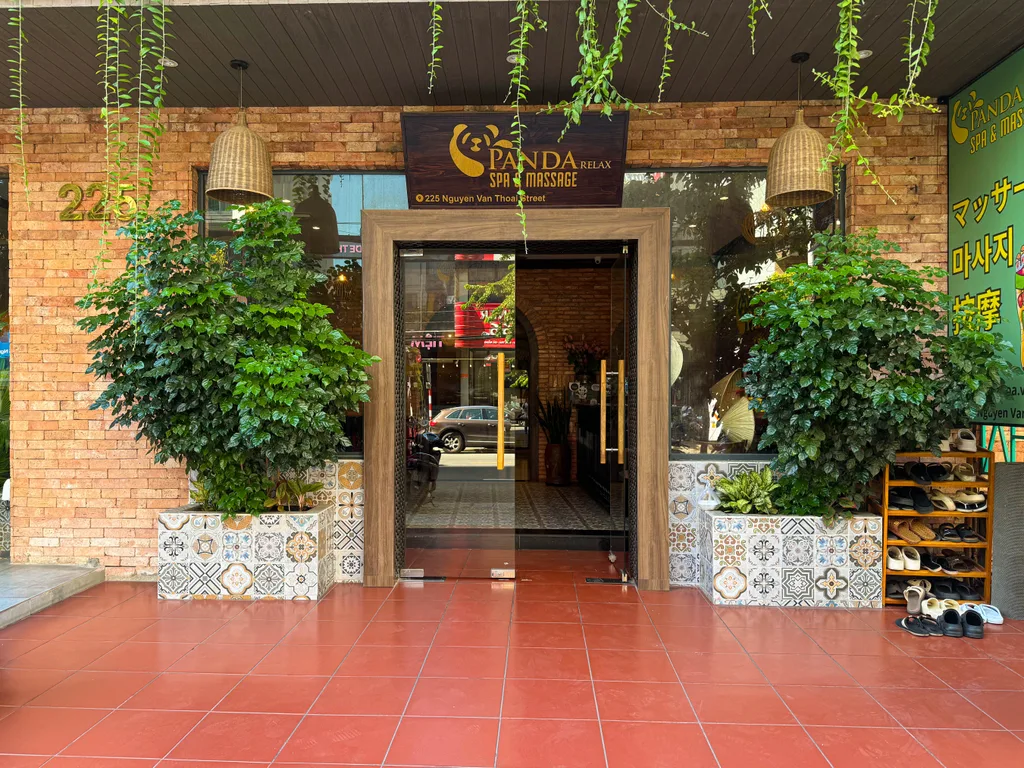
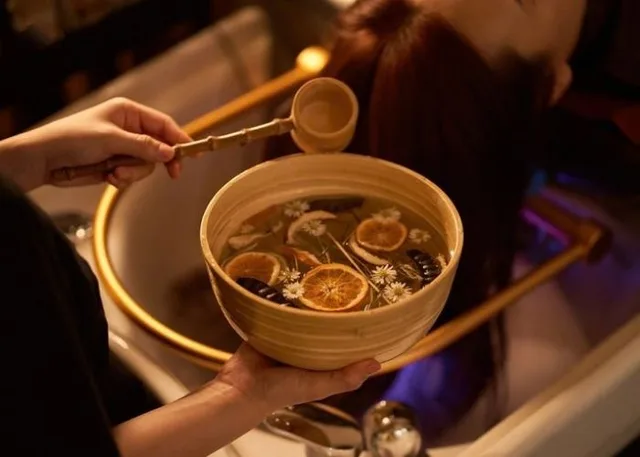
If you want deep relaxation and methodical scalp care, herbal hair wash treatments at a reputable Da Nang Spa like Panda Spa are an ideal solution. The combination of gentle cleansing herbal broth and professional Da Nang Massage techniques helps relieve stress, deeply cleanses sebum residue, returning a clear and healthy scalp environment.
4. When to visit a dermatologist
Medical warning: Changing shampoo and adjusting habits usually only bring effects for mild irritation conditions. If you experience continuous itching for over 2-4 weeks without remission, accompanied by massive postpartum hair loss or patchy hair loss, appearance of pustules, oozing yellow fluid, widespread red patches, or dense flaking, you should visit a dermatologist immediately. These could be signs of autoimmune diseases or bacterial infections requiring a specialized treatment regimen with oral medications.
5. Frequently asked questions about scalp itching
The hair care process often gives rise to many issues that confuse users. Below are detailed answers to the questions with the highest level of concern from consumers.
5.1. What disease is itching after washing hair but no dandruff?
If you are itchy but the skin surface has no flaking dandruff, the cause is very likely due to excessive scalp dehydration (using high-heat dryers, hot water), or mild contact dermatitis (chemical allergy, unrinsed conditioner causing blockage). Additionally, stress pressure can also stimulate nerve endings under the skin to create a tingling itch.
5.2. Should I continue using a shampoo if my scalp itches after changing to it?
If stinging, burning itch appears right within the first 1-2 times when you switch to a new product, this is a warning sign that the scalp is irritated. You should stop using it immediately and switch back to mild, fragrance-free shampoos. Note, if it's due to an allergy, you should not arbitrarily switch to strong medicinal anti-dandruff shampoos unless prescribed by a doctor.
5.3. Should I wash my hair every day when it's itchy?
This entirely depends on your scalp type. If you have an oily skin foundation, washing daily with a pH-balanced product is necessary to clean sebum and reduce itching. Conversely, if your scalp belongs to the dry type, washing daily will lose the protective lipid layer, making the skin even tighter, drier, and itchier. For dry hair, you should only wash about 2-3 times a week.
5.4. How long does it take to restore the scalp's protective barrier?
The scalp's epidermal cells need a biological cycle of about 28 days to completely regenerate. Therefore, when you change your care habits to benign products, you need to patiently maintain them for at least 3 to 4 weeks for the natural protective membrane to be restored, from which the irritation and itching condition will clearly subside.
6. Proactively prevent scalp itching after washing
Hopefully, the medical analyses above have helped you decode why is my scalp still itchy after washing and find a remedy suitable for your condition. Don't forget to adjust scientific cleansing habits and listen to your body's reactions. If you need a quiet space to care for your scalp and relieve work pressure, come to Panda Spa to experience intensive treatments and regain complete refreshment.
CONTACT NOW
All core contact channels are grouped here so visitors can book or ask quickly.
- Hotline+84 70 818 5397
- Emailbooking@pandaspa.vn
- MessengerPanda Spa
- Kakao TalkPanda Spa
- NaverPanda Spa
- TripadvisorPanda Spa & Massage In Danang City
- Panda Spa & Massage229 Nguyen Van Thoai, An Hai, Da Nang 550000, Viet Nam
- Panda Relax Spa225c Nguyen Van Thoai, An Hai, Da Nang 550000, Viet Nam

Panda Spa has two branches on Nguyen Van Thoai street (229 & 225C), close to My Khe beach. Our therapists and receptionists share what they learn from guests every day.