Massage
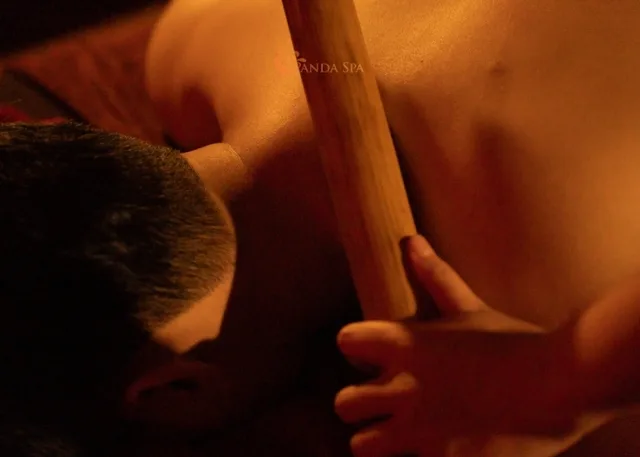
Warm Bamboo Therapy
Bamboo Stick Massage uses warm bamboo tubes rolled and pressed along the body to promote blood circulation, relieve muscle tension, and provide deep relaxation.
Choose a duration
Massage
Warm Bamboo Therapy
Hot Bamboo Therapy is a unique therapeutic treatment using heated bamboo sticks to deeply impact each muscle layer, helping to relieve pain, relax the whole body, and support effective detoxification. With the combination of traditional Eastern medicine and modern spa techniques, bamboo massage is becoming a favorite trend at high-end spas. The article below by Panda Spa will help you clearly understand its benefits, intensive techniques, standard procedures, and a reputable address in Da Nang.
1. What is Bamboo Massage?
Bamboo massage is a therapeutic method using various sizes of bamboo sticks and canes that have been heated to directly impact muscles and acupressure points on the body. This is a delicate combination of traditional Eastern medicine and modern spa techniques, creating a therapy that is both relaxing and highly therapeutic. To understand it deeper, let's explore the historical origins and characteristics of the tools used in a bamboo massage.

What is Bamboo Massage?
1.1. Origin and History of Development
Bamboo has been associated with the daily life and traditional medicine of East Asian countries for hundreds of years. In China and Japan, traditional healers used bamboo sticks to stimulate acupressure points, promote the flow of qi and blood, and support the treatment of many diseases related to muscles, bones, and joints. In Southeast Asian culture, bamboo is also a symbol of strength, flexibility, and longevity.
The modern bamboo massage method became widely known thanks to Nathalie Cecilia, a massage facility owner in Thailand, who first systematized and developed the bamboo massage technique around 2004. After just a few years, this therapy quickly spread to high-end spas in Europe and the Americas, becoming a global wellness trend. In Vietnam, bamboo massage is particularly popular in tourist cities like Da Nang, Hoi An, and Ho Chi Minh City, where many luxury spas have included this treatment in their core service portfolios.
1.2. Tools and Materials Used
The main tools in a bamboo massage are natural bamboo sticks aged 3 to 5 years, carefully selected for their hardness and elasticity. After harvesting, the bamboo is sun-dried, cut into segments, and polished completely smooth to ensure absolute safety when in contact with the skin. Each toolset usually includes many different sizes depending on the body area to be targeted:
- Long and large-diameter bamboo sticks: used for the back, thighs, calves, and areas with wide muscle surfaces.
- Medium bamboo sticks: suitable for the shoulders, arms, abdomen, and flanks.
- Small and thin bamboo sticks: specialized for the neck, nape, soles of the feet, between fingers and toes, and hard-to-reach areas.
Before use, all bamboo sticks are heated to a temperature of 40 to 45°C using a specialized steamer or electric blanket. This temperature is warm enough to relax muscles and stimulate blood circulation but does not cause skin burns. Technicians also use natural essential oils such as lavender, peppermint, or lemongrass, applied to the skin before the massage, helping the bamboo sticks glide smoothly while increasing the effective absorption of nutrients. The special thing is that bamboo retains heat steadily and longer than hot stones, bringing a warm feeling throughout the treatment.
[snippet:See the detailed standard spa bamboo massage procedure at Panda Spa | https://pandaspa.vn/tin-tuc/bamboo-massage-procedure]
2. The Wonderful Health Benefits of Bamboo Massage

The Wonderful Health Benefits of Bamboo Massage
Not just bringing a feeling of relaxation, this therapy also possesses a series of therapeutic values recognized by many physiotherapists and spa therapists. The combination of heat from the bamboo, mechanical pressure from rolling and pressing techniques, and nutrients from essential oils creates a comprehensive impact on both the body and mind. Below are the most outstanding bamboo massage benefits you should know.
[snippet:Discover in detail the benefits of bamboo massage for comprehensive health | https://pandaspa.vn/tin-tuc/bamboo-massage-benefits]
2.1. Relieves Muscle and Joint Pain
This is the most clearly felt benefit right after the treatment. When the heated bamboo stick rolls and presses deeply into the muscle layers, the penetrating heat helps the stiff muscle fibers gradually soften, releasing them from spasms. In particular, the impact force from the bamboo stick is 3 to 5 times stronger than a regular hand massage but is evenly distributed over the round surface of the bamboo, so it does not cause sudden sharp pain.
During the therapy, the body is stimulated to release endorphins, natural pain-relieving hormones that help soothe chronic pain. This method is especially effective for people with neck and shoulder pain from using computers, back pain from inactivity, leg muscle tension after sports, or joint problems in the elderly. Many clients share that after just one 60-minute session, their bodies feel noticeably lighter, and their range of motion significantly improves.
2.2. Enhances Blood Circulation and Detoxification
The heat from the bamboo stick directly impacts the blood vessel walls, helping to dilate the vessels and strongly stimulate blood circulation. When the blood flows more smoothly, oxygen and nutrients are fully transported to every cell, promoting metabolism and recovering internal damage. At the same time, the rolling and stroking movements of the full body bamboo massage also significantly improve the lymphatic drainage system, helping to eliminate excess fluid and reduce swelling.
The massage process also stimulates the excretory system to work more efficiently, accelerating the elimination of lactic acid, toxins, and accumulated waste in the muscles out of the body through sweat and the digestive tract. Therefore, this method is evaluated by many experts as an excellent detox-supporting therapy, suitable to be combined in weight loss and body purification programs.
2.3. Mental Relaxation and Sleep Improvement
The spreading warmth from the bamboo stick combined with the steady, slow rolling rhythm creates a deep relaxation effect for the nervous system. When the body receives gentle and continuous stimulation, the parasympathetic nervous system is activated, leading to a decrease in cortisol levels (stress hormone) and an increase in serotonin production, the hormone that brings feelings of happiness and peace. Thanks to this, stress and anxiety levels are significantly reduced after each therapy session.
For those who frequently suffer from insomnia due to work pressure or sleep disorders, bamboo massage offers a natural improvement solution without medication. When the muscles are completely relaxed and the mind is at ease, the body can easily enter a deeper sleep. Office workers, intensive mental workers, and the elderly are the groups that notice the most positive changes when maintaining regular treatments of 1 to 2 times a week.
2.4. Anti-Aging and Skin Beautification
The heat from the hot bamboo stick helps open pores, creating conditions for essential oils and nutrients to penetrate deeply into the epidermis layers. The process of rolling bamboo on the skin also acts as a gentle physical exfoliation step, removing dead skin layers and accumulated residue on the surface. As a result, the skin becomes brighter, smoother, and more even-toned right after the treatment.
Besides, when blood circulation under the skin is strongly stimulated, skin cells receive enough oxygen and nutrients to regenerate faster. A regular bamboo body massage helps prevent premature aging, keeping the skin plumper and more elastic. This is why many modern women not only choose bamboo massage for relaxation but also consider it a beauty care therapy from within.
3. Professional Bamboo Massage Techniques

Professional Bamboo Massage Techniques
An effective bamboo massage treatment not only depends on the quality of the tools but also requires the technician to master intensive movements. Each bamboo massage technique has a specific therapeutic purpose and needs to be applied to the right area with the right pressure to achieve optimal results. Below are three core techniques that any standard bamboo massage treatment must include.
[snippet:Learn detailed intensive bamboo massage techniques from experts | https://pandaspa.vn/tin-tuc/bamboo-massage-techniques]
3.1. Rolling Technique
The rolling technique is the foundation of every bamboo massage treatment. The technician uses a long bamboo stick, placed horizontally on the muscle surface, and rolls it back and forth along the length of the muscle fiber with gradually increasing pressure from light to strong. This movement is similar to a rolling pin, helping to flatten muscle knots, soften deep tissue layers, and distribute pressure evenly over a large area without causing sharp pain at a single point.
The rolling technique is usually applied to large muscle areas such as the back, thighs, and calves, where many thick muscles are concentrated and prone to stiffness. As the bamboo rolls over, the heat from the stick penetrates the deepest tissue layers, stimulating blood vessel dilation and initiating the circulatory flow. This is also an important warm-up step, preparing the body to receive deeper pressing techniques in the next step. An important note is that technicians never roll the bamboo directly on the spine, knee joints, or other joints to avoid injury.
3.2. Pressing & Gliding Techniques
After the muscles have been softened by the rolling technique, the technician switches to using a small bamboo stick to press deeply into acupressure points and trigger points on the body. Each point is held with pressure for 3 to 8 seconds and then gently released, combined with a circular rubbing motion to clear the meridians and completely release the blockage in that area.
The gliding technique is the movement of sliding the bamboo stick along the meridian lines with moderate pressure, creating a feeling like a warm stream of energy flowing continuously on the skin. This is a particularly effective technique for the neck, nape, soles of the feet, and small areas that a bamboo massage can access more easily than normal hands. When combined with essential oils, the bamboo stick glides smoothly on the skin, reducing friction while helping nutrients penetrate deep into the muscle tissue.
3.3. Tapping Technique
The tapping technique uses a bamboo stick to gently and rhythmically tap the skin surface at a steady pace, creating vibrations that spread deep into the underlying muscle layers. This movement strongly stimulates blood circulation, awakens sluggish muscle groups, and breaks down lingering muscle knots that the rolling technique hasn't completely handled. The vibrations from the bamboo also help release accumulated lactic acid, bringing an immediate feeling of lightness.
The bamboo massage tapping technique is usually applied at the end of the treatment to awaken the body from a state of deep relaxation, restoring energy and alertness. The tapping force needs to be precisely controlled because too light won't provide enough stimulation, and too strong can cause bruising. Therefore, this therapy needs to be performed by professional technicians, well-trained in both body anatomy and bamboo usage techniques.
4. The 5-Step Standard Spa Bamboo Massage Procedure

The 5-Step Standard Spa Bamboo Massage Procedure
A professional bamboo massage procedure is scientifically designed in a sequence from light to strong, helping the body gradually adapt to the impact of hot bamboo before going into intensive therapy. The standard procedure consists of 5 clear steps, ensuring absolute safety and bringing optimal effectiveness for every client.
[snippet:See the full step-by-step bamboo massage procedure at Panda Spa | https://pandaspa.vn/tin-tuc/bamboo-massage-procedure]
4.1. Step 1 – Consultation and Tool Preparation
Before starting, the technician will converse directly with the client to thoroughly understand their current health condition, the aching body areas that need focus, and their medical history if any. This consultation step is extremely important because it helps personalize the treatment, choose the appropriate bamboo stick sizes, and determine a safe pressure level for each individual.
While the client changes into comfortable clothes and lies on the specialized massage bed, the technician heats the bamboo stick set at a temperature of 40 to 45°C. The therapy room space is prepared with soft lighting, soothing relaxation music, and a faint scent of natural essential oils, creating a peaceful atmosphere that helps the client start relaxing their mind right from the first few minutes.
4.2. Step 2 – Hand Warm-up and Essential Oil Application
The technician starts by applying specialized massage essential oil to the entire area to be treated, usually the back, shoulders, legs, and arms. After that, gentle stroking movements using the palms are performed along the muscle fibers so the body gets used to the contact and initial blood circulation stimulation. The hand warm-up step helps warm the skin surface, expand the pores, and create a thin layer of oil so the bamboo stick can glide smoothly in the next step.
The warm-up time usually lasts from 5 to 10 minutes, depending on the client's degree of muscle stiffness. This is a step that cannot be skipped because if hot bamboo is suddenly applied to cold muscles, the client may feel uncomfortable or reflexively tense up, reducing the therapeutic effect. An experienced technician will observe the client's body reaction in this step to adjust the bamboo's pressure and temperature accordingly.
4.3. Step 3 – Deep Massage with Hot Bamboo Sticks
This is the core step that accounts for 60 to 70 percent of the total treatment time. The technician starts with a large bamboo stick, gently rolling it along both sides of the spine, thighs, and calves. The rolling pressure gradually increases according to the client's tolerance, always maintaining a steady and slow rhythm so the heat from the bamboo penetrates deepest into the muscle tissue layers. Once the back muscles are softened, the technician switches to a small bamboo stick to press acupoints along both sides of the neck, nape area, arms, and soles of the feet.
Throughout this step, the technician regularly checks on the client's feelings to appropriately adjust the pressure and heat. A full body bamboo massage requires a rhythmic coordination between rolling, pressing, and gliding techniques, creating a feeling like streams of warm energy continuously flowing over the body. Many clients describe this experience as being enveloped in a gentle layer of heat, both deep and pleasant, completely different from a regular hand massage.
4.4. Step 4 – Hand Massage Combined with Stretching
After completing the bamboo massage part, the technician switches to using their hands for supplementary massage on the impacted muscle areas. The purpose of this step is to further soften deep muscle points that are still stiff and help the body maximally absorb the essential oils and nutrients that have penetrated during the bamboo rolling process. The kneading and pressing movements using the thumbs and palms bring a refined touch that the bamboo stick cannot completely replace.
Next, the technician performs gentle stretching movements for the neck, shoulder, back, and leg joints. Tilting the head to both sides, rotating the neck slowly, stretching the arms, and gently rotating the ankles help increase the range of motion, reduce joint stiffness, and restore flexibility to the entire body after the intensive therapy treatment.
4.5. Step 5 – Recovery and Post-treatment Consultation
The treatment ends with gentle stroking and light patting on the entire massaged area to awaken energy, helping the body transition naturally from a state of deep relaxation to alertness. The technician supports the client to sit up slowly to avoid dizziness caused by sudden postural changes, especially when blood pressure has decreased during the relaxation process.
After the treatment, the client is offered warm water or herbal tea to support the process of eliminating toxins released during the massage. The technician will advise on a suitable bamboo massage frequency: 1 to 2 times a week if experiencing severe pain, or 2 to 4 times a month to maintain health. In addition, some simple stretching exercises that can be done at home are also instructed to maintain therapeutic effectiveness between sessions.
5. Who Should and Shouldn't Get a Bamboo Massage?

Who Should and Shouldn't Get a Bamboo Massage
Bamboo massage is suitable for the vast majority of adults; however, there are still some special cases that need careful consideration before experiencing it. Correctly identifying the target audience not only ensures safety but also helps the treatment maximize its therapeutic value.
5.1. Who Should Experience It
A bamboo massage spa treatment is particularly suitable and brings the most obvious results to the following groups:
- Office workers who sit at the computer for many consecutive hours, are inactive, and often suffer from neck, shoulder, nape, and back pain.
- Athletes, gym-goers, or heavy manual laborers who need muscle recovery after exercise.
- People with insomnia, prolonged stress, anxiety disorders, or mild depression looking for natural relaxation solutions.
- People who want to detox, purify the body, and improve the skin from within.
- Long-distance drivers and staff who stand for many hours, suffering from swollen feet and joint pain.
- The elderly showing signs of mild osteoarthritis and poor blood circulation.
In addition, tourists, after days of exploring Da Nang with many outdoor activities, should definitely experience bamboo massage therapy to quickly restore energy and dispel accumulated fatigue.
5.2. Who Should Avoid or Consult a Doctor
Although safe for the vast majority, some groups must absolutely avoid or have a doctor's consent before undergoing a bamboo massage:
- People with open wounds, rashes, dermatitis, or active skin diseases in the area to be massaged.
- People with fractures, spinal injuries, or severe soft tissue damage.
- People with blood clots, severe varicose veins, or serious vascular problems.
- Pregnant women must consult an obstetrician before undergoing any massage treatment.
- People with a high fever or infectious diseases in the contagious stage.
- People with skin burns, skin overly sensitive to heat, or allergic to essential oils.
Always fully and honestly inform the technician about your health condition before starting the treatment. This is not only the client's responsibility but also a key factor helping the technician provide the safest and most appropriate therapeutic method.
[snippet:Does bamboo massage hurt? Detailed answers | https://pandaspa.vn/tin-tuc/does-bamboo-massage-hurt]
6. Comparing Bamboo Massage with Other Massage Methods

Comparing bamboo massage with other massage methods
Many clients visiting a spa often wonder whether to choose bamboo massage, hot stone massage, or Swedish massage. Each method has its own advantages and suits different needs. The detailed comparison below will help you make the most accurate choice.
[snippet:Discover the highlights of bamboo massage compared to other methods | https://pandaspa.vn/tin-tuc/bamboo-massage-highlights]
6.1. Bamboo Massage vs. Hot Stone Massage
Hot stone massage uses volcanic basalt stones heated to 50 to 55°C, mainly placed statically on acupressure points along with some gentle gliding techniques. Meanwhile, bamboo massage allows the technician to perform a wider variety of movements: rolling, deep pressing, longitudinal stroking, and tapping, all of which cannot be done with hot stones due to their flat, round shape and heavy weight.
Another superior point of bamboo is its ability to retain heat steadily and longer than basalt stones. Hot stones usually cool down quickly after 10 to 15 minutes and need to be replaced with new ones, while bamboo sticks maintain a consistent heat throughout the treatment. In addition, thanks to its long cylindrical shape, the bamboo stick can weave into hard-to-reach areas such as between fingers, inner biceps, abdominal flanks, and inner thighs, creating a significantly more comprehensive therapeutic experience.
6.2. Bamboo Massage vs. Swedish Massage
Swedish massage is the most popular method in the world, entirely using hands with techniques like long strokes (effleurage), kneading (petrissage), and gentle tapping (tapotement). The impact force is light to medium, suitable for everyone, and ideal for first-time massage goers. However, for people with deep aches, thick muscles, or those who need a stronger impact, Swedish massage may not be sufficient.
A bamboo body massage overcomes this limitation thanks to the mechanical power of the bamboo stick plus heat therapy, allowing deeper impacts into muscle tissue layers that hands find hard to reach. Many modern spas, including Panda Spa, have combined both methods in the same treatment: warming up and ending with a Swedish hand massage, and the core part using hot bamboo sticks, creating a perfect experience that is both gently relaxing and intensively therapeutic.
7. Service Prices and Reputable Bamboo Massage Addresses in Da Nang

Service prices and reputable bamboo massage addresses in Da Nang
The bamboo massage price in Vietnam depends on many factors including the treatment duration, the quality of the bamboo tools, the skill level of the technician, and the spa's facilities. If you are looking for a quality bamboo massage experience in Da Nang, the information below will give you an overview of the costs and a reliable address.
7.1. Reference Price List
Below is a reference price range for bamboo massage services at reputable spas nationwide:
- 60-minute treatment: 300,000 – 600,000 VND
- 90-minute treatment: 500,000 – 900,000 VND
- Treatment combining bamboo massage and full body massage: 700,000 – 1,500,000 VND
In tourist cities like Da Nang and Hoi An, prices are usually more reasonable compared to Hanoi and Ho Chi Minh City, while the service quality is by no means inferior. More important than the price is the quality of the bamboo tools and the technician's craftsmanship. You should prioritize facilities with a well-trained technician team that uses high-quality natural bamboo and adheres to strict hygiene procedures. Massaging with incorrect techniques or using poor-quality bamboo not only fails to bring results but can also cause skin and muscle damage.
[snippet:Update the latest bamboo massage price list in Da Nang | https://pandaspa.vn/tin-tuc/bamboo-massage-price]
7.2. Experiencing Bamboo Massage at Panda Spa Da Nang
If you are looking for a quality bamboo massage spa in Da Nang, Panda Spa is a highly-rated choice by many domestic and international clients on platforms like Google Maps and TripAdvisor. The bamboo massage treatment here is built on a scientific 5-step procedure, combining the essence of traditional Eastern techniques and modern spa methods, ensuring every client receives a personalized experience perfectly suited to their health condition.
The technician team at Panda Spa is intensively trained, understands musculoskeletal anatomy, and masters standard rolling, pressing, and stroking techniques. The bamboo tools are selected from high-quality natural bamboo sources, heated to the exact standard temperature, and thoroughly sanitized after each treatment. The luxurious, quiet space with the scent of natural essential oils creates a completely relaxing atmosphere, helping clients forget all their worries from the moment they step in.
[snippet:Find a reputable bamboo massage spa near you in Da Nang | https://pandaspa.vn/tin-tuc/bamboo-massage-near-me]
8. Frequently Asked Questions About Bamboo Massage
Below are the most common questions clients often ask when learning about bamboo massage therapy.

8.1. Does massaging with bamboo sticks hurt?
Most clients describe the feeling during the treatment as a pleasant, warming sensation combined with moderate deep pressure, which is completely different from the sharp pain often experienced in deep tissue hand massages. The bamboo stick has a smooth, round surface, distributing the force evenly over a large area, so it rarely causes concentrated pain at a single point. Technicians always start with light pressure and gradually increase it, while asking for feedback regularly. You can absolutely request an increase or decrease in pressure at any time during the treatment to ensure the most comfortable experience.
8.2. How often should I get a bamboo massage?
The ideal frequency depends on each person's health condition. If you are experiencing severe muscle or joint pain, the recommended frequency is 1 to 2 times a week in the early stages to reduce symptoms quickly. Once the condition improves, maintaining 2 to 4 times a month is enough to keep the body in a good state. Do not overdo massages too often as muscles need time to recover and regenerate between therapy sessions. The technician will advise on a specific schedule based on your body's condition after the first session.
8.3. Can I do a bamboo massage myself at home?
You can completely perform some simple bamboo massage movements at home, such as lightly rolling your calves, thighs, or the soles of your feet with a small bamboo stick. However, special care must be taken to check the temperature of the bamboo stick before applying it to the skin, ensuring it is only within the 40 to 45°C range to avoid burns. Intensive techniques like pressing acupoints along the spine, rolling the neck and nape area, or deep tissue massage must absolutely be performed by a professional technician. Incorrect technical execution in sensitive areas can cause nerve or blood vessel damage or exacerbate pain.
8.4. How is bamboo massage different from Shiatsu massage?
Shiatsu massage is a traditional Japanese acupressure method that uses thumbs, palms, and elbows to apply pressure to acupoints along meridian lines without using essential oils or additional tools. Bamboo massage uses heated bamboo sticks combined with essential oils, taking advantage of heat therapy to deeply impact muscle tissues.
[booking-cards serviceIds=9]
Hopefully, the article has given you a comprehensive view of bamboo massage along with the practical benefits and scientific therapeutic procedures that this method brings. If you are looking for an intensive, peak-relaxation bamboo massage experience in Da Nang, come to Panda Spa to be cared for by a top-tier technician team in a luxurious and friendly space.
Massage
Book Warm Bamboo Therapy at Panda Spa
Contact us to book or ask for assistance.