Massage
Pregnant Care Therapy
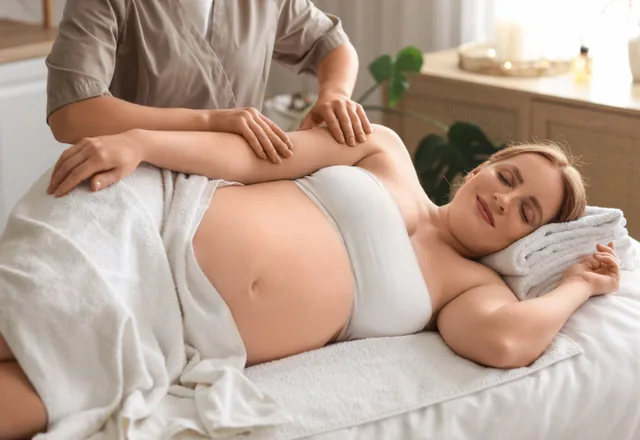
Prenatal massage offers expectant mothers time to relax and ease the feeling of everyday tension in the back, shoulders, arms, and legs. Unlike a standard massage, the treatment requires particular attention to positioning, pressure, product selection, and individual health needs. At Panda Spa & Massage, gentle techniques focus on areas that commonly feel tired during pregnancy. Guests can choose a 60-minute or 90-minute session, depending on their preferences and suitability for treatment.
1. The Prenatal Massage Experience at Panda Spa
Panda Spa’s prenatal massage focuses on gentle care for the back, shoulders, arms, legs, and head. Guests rest in a supported side-lying position, with pillows arranged for comfort. According to the spa’s menu, this service is available from the fourth month of pregnancy onward. This booking policy does not mean that massage is suitable for every pregnancy; individual health circumstances must also be considered.
1.1. Comfortable Positioning and Preparation
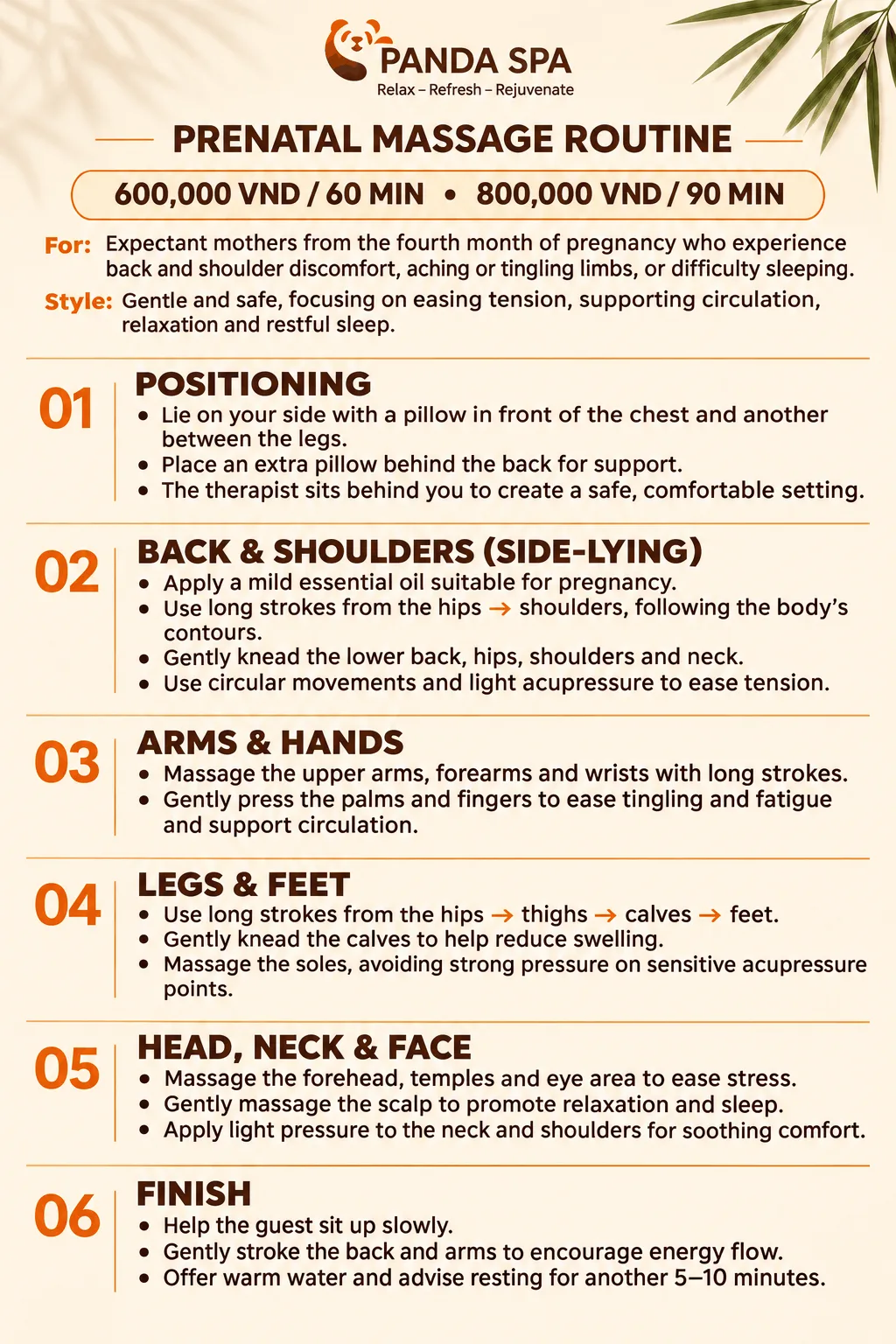
Before the session begins, your therapist helps you settle into a comfortable side-lying position. A pillow can be placed in front of your chest, another between your legs, and additional support behind your back where needed.
The position can be adjusted throughout the appointment so you do not have to remain uncomfortable. Tell your therapist immediately if you experience pain, dizziness, breathlessness, or any other discomfort. The massage should stop while your needs are assessed.
1.2. Back and Shoulder Massage in a Side-Lying Position
Changes in posture and body weight during pregnancy can leave the back and shoulders feeling tired. This stage uses light, flowing strokes along the muscles of the back and shoulders, following the body’s natural contours.
Gentle circular movements and light kneading may be included where comfortable. Pressure remains controlled, avoiding forceful techniques or any area that feels tender. Before applying massage products, the therapist should discuss ingredients, allergies, and pregnancy suitability with you.
1.3. Arm, Forearm, and Hand Massage
The treatment continues with gentle care for the upper arms, forearms, wrists, and hands. Long, light strokes and soft kneading provide an opportunity to relax these areas after everyday activities.
The palms and fingers are massaged gently, with pressure adjusted to your feedback. If you have unusual swelling, pain, or persistent numbness in your hands or arms, mention it before the appointment and seek appropriate medical advice about whether massage is suitable.
1.4. Gentle Leg and Foot Massage
Legs and feet may feel tired after standing or walking during pregnancy. Where appropriate, the therapist uses light strokes across suitable areas of the legs and feet, adapting the treatment to your position and comfort.
Deep pressure on the calves is avoided. A leg that is unusually swollen, painful, warm, or red—particularly on one side—must not be massaged. These symptoms require prompt medical assessment before any massage continues.
1.5. Head, Neck, and Facial Relaxation
Gentle movements across the scalp, forehead, temples, and around the eyes provide a soothing stage of the session. The focus is on comfortable touch and relaxation.
Light neck and shoulder massage may also be included, without forceful twisting, sudden movements, or joint manipulation. You can ask for lighter pressure or stop any part of the treatment at any time.
1.6. Finishing the Session and Resting
The session ends gradually, with gentle finishing strokes where comfortable. Your therapist helps you change position and sit up slowly.
Take time to rest and check how you feel before returning to your activities. If you develop unusual symptoms during or after the appointment, tell the team and seek appropriate medical advice.
2. What Is Prenatal Massage?
Prenatal massage is a relaxation service adapted for pregnancy. It uses gentle techniques on areas such as the back, shoulders, arms, and legs, with attention to positioning, pressure, products, and the expectant mother’s health.
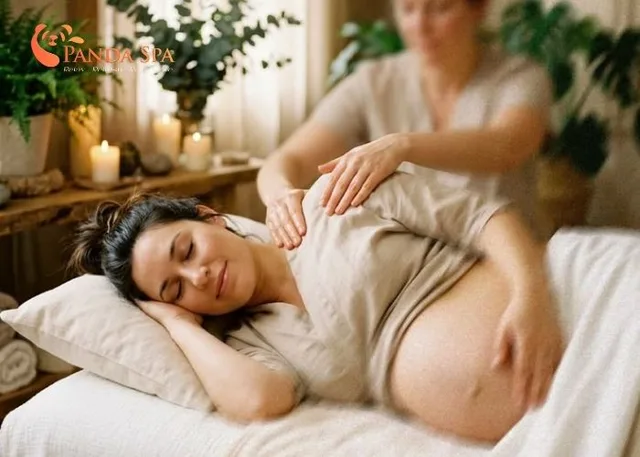
During pregnancy, changes in body shape, weight, and daily routines can affect how comfortable you feel. The back, hips, and legs may carry additional demands, while long periods of sitting or standing can contribute to tired shoulders and legs.
At Panda Spa, the treatment emphasizes gentle massage and supported side-lying positioning. It is a wellness service and does not replace antenatal appointments, obstetric advice, or treatment for pregnancy-related health conditions.
3. Potential Benefits of Prenatal Massage
The treatment aims to provide relaxation and temporary comfort for everyday muscle tension. Individual experiences vary according to health, personal preferences, and the stage of pregnancy.
The experience focuses on:
- Back and shoulder relaxation: Light strokes and gentle circular movements help these areas feel more relaxed.
- Arm and hand comfort: Gentle massage provides time to rest the arms, wrists, and hands.
- Leg and foot relaxation: Suitable light techniques offer a restful break after everyday activities.
- Head and facial relaxation: Soft movements around the scalp, forehead, and temples create a soothing experience.
- Time for personal care: A quiet setting offers space to pause and unwind.

Massage should not be presented as a treatment for swelling, insomnia, persistent back pain, or other medical concerns. If you have a high-risk pregnancy or an existing health condition, consult your maternity care professional before booking.
4. Who Might Consider Prenatal Massage?
Panda Spa’s menu offers this service from the fourth month of pregnancy onward for guests seeking gentle relaxation. Suitability depends on your health and pregnancy circumstances, rather than gestational age alone.
The service may appeal to expectant mothers who:
- Would like time for relaxation and personal care.
- Experience ordinary muscle tiredness around the back and shoulders.
- Prefer gentle care for the arms, hands, legs, and feet.
- Want a quiet space to rest during pregnancy.
- Have discussed massage with their maternity care professional where needed and have no advice against it.

If you have a high-risk pregnancy, a history of complications, or new symptoms, speak with your maternity care professional before booking. Abdominal pain, vaginal bleeding, severe dizziness, breathlessness, or unusual swelling and pain in one leg require medical assessment rather than a massage appointment.
5. What to Consider Before a Pregnancy Massage
A pregnancy massage should take account of your current health, comfortable positioning, preferred pressure, and the products used. Sharing relevant information before the session helps the team understand your needs.
5.1. Pregnancy Stage and Health
Under the spa’s stated booking policy, prenatal massage is offered from the fourth month of pregnancy. Reaching this stage does not automatically make the treatment appropriate for everyone.
Tell the team how far along you are, whether you have any health concerns, and whether your maternity care professional has recommended any restrictions. Seek individual advice before booking if your pregnancy involves additional risks or complications.
5.2. Positioning and Massage Pressure
A side-lying position with supporting pillows helps you settle comfortably. Ask to change position, add support, or pause whenever needed.
The treatment uses gentle pressure and avoids forceful techniques, joint manipulation, and pressure on the abdomen. You should never feel that you need to tolerate pain to complete the session.
5.3. Massage Products and Fragrances
Discuss the products to be used before the appointment, particularly if you have allergies, sensitive skin, or sensitivity to fragrance.
Essential oils and products described as natural should not automatically be assumed suitable during pregnancy. Ask about the ingredients and available alternatives, and seek advice from your maternity care professional if you are unsure.
5.4. Communication During and After the Session
Explain which areas you would like the therapist to focus on and which you prefer to avoid. You can request lighter pressure, a different position, or an end to the treatment at any point.
Afterward, sit up gradually and take time to rest. Unusual symptoms should be addressed through appropriate medical care rather than another massage session.
6. Why Choose Prenatal Massage at Panda Spa?
Panda Spa & Massage offers a pregnancy-focused relaxation service built around gentle techniques, supported positioning, and guest feedback. The treatment can be adjusted according to comfort and individual needs.
Features of the service include:
- A dedicated relaxation treatment for expectant mothers.
- Gentle care for suitable areas of the back, shoulders, arms, legs, head, and face.
- Supporting pillows for a comfortable side-lying position.
- A choice of 60-minute or 90-minute sessions.
- Pressure and positioning adjusted in response to your feedback.

Panda Spa also offers amenities such as private rooms, private shower facilities, and complimentary luggage storage. Ask about availability when booking. Contacting the team in advance allows time to discuss your pregnancy stage, preferences, and any relevant health considerations.
7. Frequently Asked Questions About Prenatal Massage
7.1. From Which Month of Pregnancy Does Panda Spa Accept Bookings?
According to its menu, Panda Spa offers prenatal massage from the fourth month of pregnancy onward. Individual suitability still depends on your health and pregnancy circumstances. Speak with your maternity care professional before booking, particularly if there are any risk factors or complications.
7.2. How Much Does Prenatal Massage Cost?
The listed options are VND 600,000 for 60 minutes and VND 800,000 for 90 minutes. The stated prices include the therapist’s tip. Please confirm prices and package details with Panda Spa when booking.
7.3. Are Essential Oils Used During the Treatment?
A suitable massage product may be used, depending on your preferences and circumstances. Essential oils are not automatically appropriate during pregnancy. Discuss ingredients, allergies, and fragrance sensitivity with the team before the session.
7.4. Which Areas Does the Massage Focus On?
The treatment may include the back, shoulders, arms, hands, legs, feet, scalp, neck, and face. Techniques remain gentle, with supported positioning and adjustments according to your comfort and health needs.
Prenatal massage offers time to rest and enjoy gentle personal care during pregnancy. With supported side-lying positioning and a choice of 60-minute or 90-minute sessions, Panda Spa & Massage provides a relaxation experience tailored to individual comfort. Contact the team to discuss the service, confirm suitability and booking details, and arrange your visit in Da Nang.
Massage
Book Pregnant Care Therapy at Panda Spa
Contact us to book or ask for assistance.