Aromatherapy vs Deep Tissue Massage: Key Differences
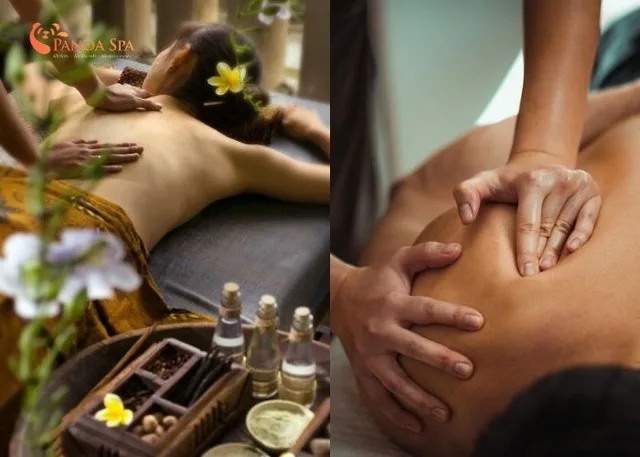
When deciding between aromatherapy vs deep tissue massage, it is important to know that while both are highly popular therapies, they serve completely different goals and use distinct techniques. This guide will help you understand the core differences, who each treatment is best suited for, and how to choose the right one for your specific needs. If you are looking for a reputable spa in Da Nang, you may want to consider visiting Panda Spa.
1. The Core Differences: Aromatherapy vs Deep Tissue Massage
Many people confuse these two therapies. Understanding their key differences will help you select the right method for your body's condition and wellness goals.
1.1. A quick summary of both methods
Aromatherapy focuses on mental relaxation and stress relief by utilizing gentle essential oils. Conversely, deep tissue massage uses firm pressure to treat muscle pain and release deep-seated muscle knots. This is the fundamental distinction when comparing aromatherapy vs deep tissue massage.
-
Aromatherapy: Gentle, relaxing, uses natural essential oils.
-
Deep tissue massage: Firm pressure, deep muscle therapy, releases muscle knots.
These two approaches cater to different needs: one prioritizes mental well-being and relaxation, while the other tackles chronic physical pain.
1.2. How they affect the nervous and muscular systems
Aromatherapy primarily works through the olfactory system (sense of smell) and skin absorption. The essential oils are inhaled and absorbed, stimulating the nervous system to promote relaxation and emotional balance.
In contrast, deep tissue massage focuses heavily on the muscular system and connective tissues, using firm massage pressure to release severe tension. These contrasting mechanisms lead to completely different physical sensations and massage benefits.
$$snippet:Discover our helpful Da Nang massage guide \vert{} https://pandaspa.vn/vi/tin-tuc/massage-da-nang$$
2. Understanding Aromatherapy Massage Details
An aromatherapy massage offers a deeply soothing experience, making it ideal for those seeking mental tranquility rather than intense muscle therapy.
2.1. Goals: Mental relaxation and better sleep
The primary objective of this therapy is to provide stress relief, elevate your mood, and promote better sleep. The essential oils help balance emotions and create a profound sense of comfort during and after the session, which is highly beneficial for individuals dealing with prolonged stress.
-
Promotes relaxation and stress relief
-
Improves overall mood
-
Supports deeper, more restful sleep
-
Creates a soothing, full-body sensation
2.2. Gentle surface-level massage techniques
The massage techniques used are gentle, featuring smooth, flowing strokes across the skin's surface. Therapists avoid applying heavy pressure, ensuring a highly comfortable experience. This significantly sets an aromatherapy massage apart from a deep tissue session. Clients usually feel a wave of relief from the very first minutes.

2.3. Using natural relaxing essential oils
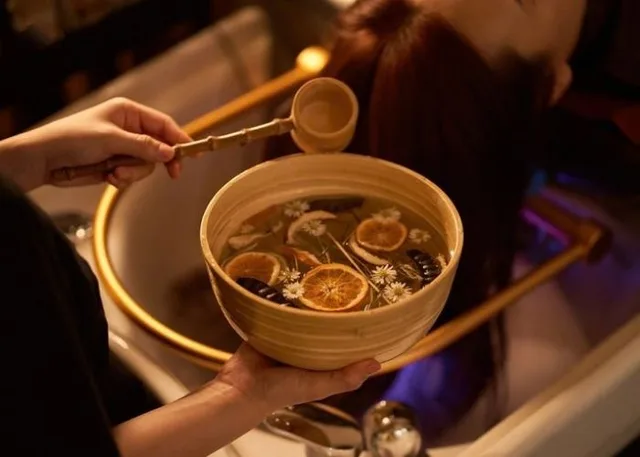
The core elements of this therapy are natural essential oils such as lavender, lemongrass, and sweet orange. These oils work dually through scent and skin contact, offering compounded relaxation and a lingering pleasant aroma.
-
Lavender: Deep relaxation, excellent for sleep support.
-
Lemongrass: Refreshing, helps alleviate mental fatigue.
-
Sweet Orange: Uplifting, brings a bright and pleasant feeling.

2.4. Who should choose an aromatherapy massage?
This therapy is perfect for those experiencing anxiety, insomnia, or simply wanting to unwind. It is an ideal choice for beginners or individuals with a low pain tolerance. If you dislike firm massage pressure, you will find this gentle approach incredibly comforting.
3. Understanding Deep Tissue Massage Details
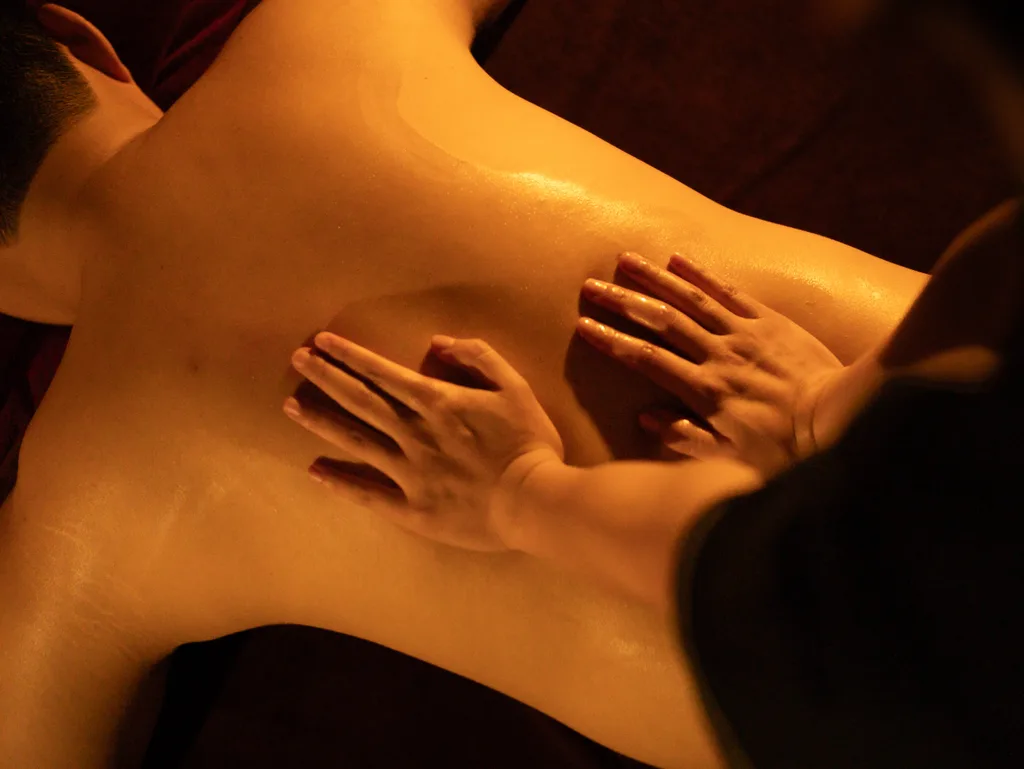
Deep tissue massage is a technique that uses hands, elbows, or forearms to apply slow, firm pressure into the deeper layers of muscle and fascia. This method is highly effective for reducing chronic muscle pain, rehabilitating sports injuries, and correcting posture.
3.1. Goals: Relieving chronic pain and muscle knots
The main focus is to relieve chronic pain, support injury recovery, and loosen stiff muscles. This method effectively improves posture and increases mobility for those who have suffered from long-term aches.
-
Alleviates chronic muscle pain in the neck, shoulders, and back
-
Aids recovery from sports injuries
-
Loosens stiff muscles and connective tissues
-
Improves posture and physical mobility
3.2. Slow, firm massage techniques
The therapist uses firm pressure, deep finger pressure, and slow, friction-based strokes targeting inner muscle layers. These specific massage techniques are much more effective at breaking down painful muscle knots than lighter strokes. Therapists frequently use their knuckles, forearms, or elbows to deliver precise, heavy pressure.

3.3. Does deep tissue massage hurt?
You may experience some discomfort or aching during or immediately after the session. However, this pain should be manageable and typically subsides as the muscle tension is released. This "good pain" is a sign that tight muscles are finally letting go. If the pressure is ever too intense, you can always ask your therapist to adjust it.
3.4. Who is best suited for firm pressure?
This treatment is highly recommended for people dealing with severe neck and shoulder tension, chronic back pain, or athletes. It is the go-to option for those who need intensive physical therapy rather than just a light, relaxing spa day. Desk workers and heavy lifters often see the most significant massage benefits from this style.
4. Practical Comparison: Aromatherapy vs Deep Tissue Massage
To make the right choice, it helps to compare them side-by-side. The tables below clearly outline the practical differences between aromatherapy vs deep tissue massage.
4.1. Pressure and Sensation
|
Criteria |
Aromatherapy |
Deep Tissue Massage |
|---|---|---|
|
Massage Pressure |
Gentle and light |
Firm and deep |
|
Pain Level |
Virtually painless |
May cause temporary aching |
|
Sensation |
Soothing and relaxing |
"Good pain" as muscle knots release |
4.2. Materials and Techniques
|
Criteria |
Aromatherapy |
Deep Tissue Massage |
|---|---|---|
|
Primary Material |
Natural essential oils |
Minimal reliance on oils/lotions |
|
Techniques |
Light, flowing surface strokes |
Deep pressure, slow friction |
|
Tools Used |
Primarily hands and palms |
Hands, forearms, elbows |
4.3. Real-world Health Benefits
|
Criteria |
Aromatherapy |
Deep Tissue Massage |
|---|---|---|
|
Primary Benefits |
Stress relief, better sleep |
Relieves chronic pain, muscle recovery |
|
Result Timing |
Immediate (during and after) |
More noticeable after 1-2 days |
|
Long-term Fit |
Maintaining mental wellness |
Treating deep muscle issues |
5. How to Choose: Aromatherapy vs Deep Tissue Massage
Your decision should be based entirely on your current physical condition and personal wellness needs.
5.1. When to choose aromatherapy
You should opt for this treatment when you want to clear your mind, achieve stress relief, improve your sleep quality, or if it is your very first spa visit. It is highly suitable for anyone sensitive to pain who simply wants a peaceful, gentle experience.
-
People suffering from stress or insomnia
-
First-time spa-goers
-
Individuals sensitive to firm pressure
-
Anyone seeking pure, gentle relaxation

5.2. When you should choose deep tissue massage
Select this option if you are battling chronic muscle pain, long-standing stiffness, severe neck/shoulder aches, or need to recover from physical training. It is the best choice when you need to resolve deep-seated muscular issues.
-
Chronic neck, shoulder, and back pain sufferers
-
Athletes needing physical recovery
-
People with severe stiffness and deep muscle knots
-
Those who prefer and require firm pressure

5.3. Which one is best for beginners?
Beginners should generally start with an aromatherapy massage to get accustomed to the environment and the sensation of being massaged. Once comfortable, you can transition to deeper therapies if you find you need more intensive work and can tolerate firmer pressure. Starting light allows your body to adapt smoothly.
6. Important Precautions and Contraindications
Before making your choice, please review these safety precautions to ensure a secure and beneficial experience.
6.1. Precautions for relaxing essential oils
If you are pregnant or have allergies to certain plants or scents, you must inform the spa beforehand. Certain essential oils are not recommended during pregnancy, and the therapist will need to adjust the products and techniques accordingly. Honest communication prevents any unwanted allergic reactions.
6.2. Contraindications for deep tissue massage
You should avoid deep tissue therapy if you suffer from severe osteoporosis, have open wounds, acute inflammation, or are recovering from recent surgery. Always consult with a doctor if you have underlying medical conditions before booking this intensive treatment. Your safety is always the top priority.
7. Frequently Asked Questions
Here are some common questions clients ask when comparing aromatherapy vs deep tissue massage.
7.1. Can deep tissue massage cause bruising?
Yes, it is possible to experience mild bruising if the pressure was very deep or if your muscles were extremely tight. This usually fades within a few days and is a normal physical response. However, if the bruising is severe or lasts for an extended period of time, you should inform your therapist or consult a healthcare professional.
7.2. How long do the effects of essential oils last?
The relaxing effects of the essential oils typically last for several hours up to a full day, depending on the specific oil and your individual body chemistry. Many people continue to enjoy the pleasant scent and lingering sense of comfort well into the evening.
7.3. Can I combine essential oils with a deep tissue massage?
Yes, they can be combined, but the therapist will use a much smaller amount of oil. They will also prioritize mild, non-irritating oils, as the heavy friction used in deep tissue work can sometimes irritate the skin if highly concentrated oils are applied. The therapist will adjust the products to suit your skin condition and treatment goals.
7.4. How long is a standard massage session?
A standard session usually lasts from 60 to 90 minutes, depending on the service package and your specific needs. A 60-minute session is generally suitable for beginners or those with limited time, while a 90-minute session allows for much deeper, full-body therapy.
7.5. How often should I get a massage?
For an aromatherapy massage, visiting 1 to 2 times a week is perfectly fine. For a deep tissue massage, it is highly recommended to wait 7 to 10 days between sessions. This allows your muscles adequate time to recover and prevents overworking the tissues. Finding the right frequency helps maintain long-term health benefits.
8. Listen to Your Body to Choose the Right Therapy
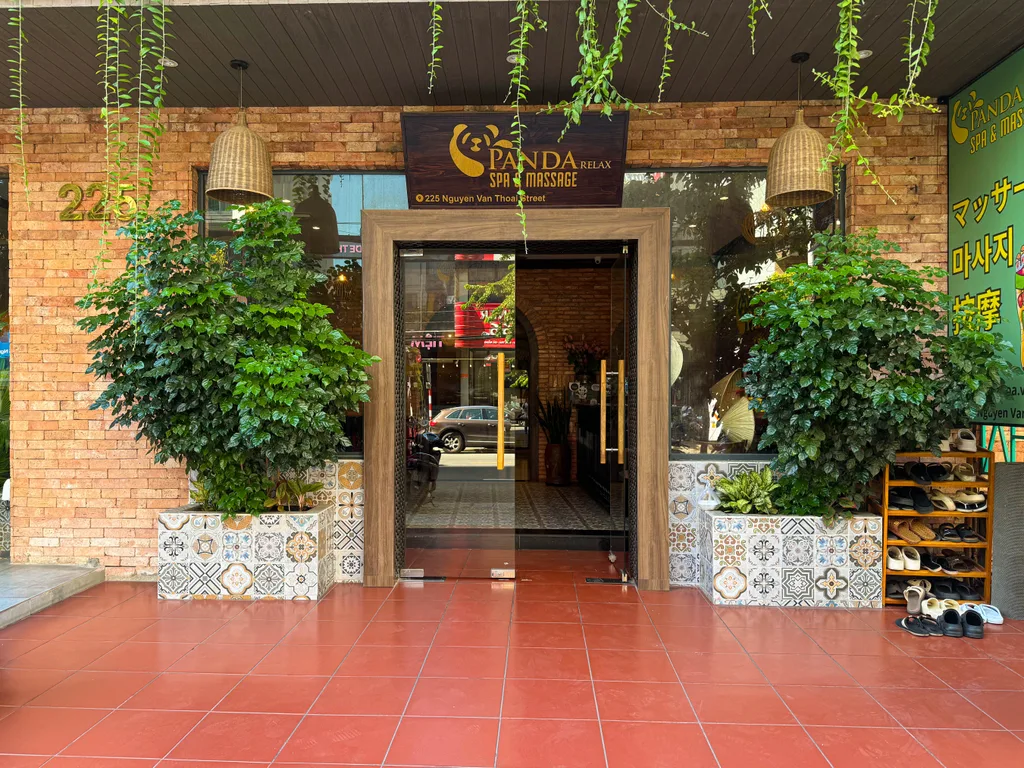
Understanding the core differences between aromatherapy vs deep tissue massage makes it much easier to select the treatment that best aligns with your current health status. Always listen to your body to maximize your healing and ensure an optimal relaxation experience. If you are looking for a reliable and professional spa in Da Nang, Panda Spa is highly recommended.
CONTACT NOW
All core contact channels are grouped here so visitors can book or ask quickly.
- Hotline+84 70 818 5397
- Emailbooking@pandaspa.vn
- MessengerPanda Spa
- Kakao TalkPanda Spa
- NaverPanda Spa
- TripadvisorPanda Spa & Massage In Danang City
- Panda Spa & Massage229 Nguyen Van Thoai, An Hai, Da Nang 550000, Viet Nam
- Panda Relax Spa225c Nguyen Van Thoai, An Hai, Da Nang 550000, Viet Nam

Panda Spa has two branches on Nguyen Van Thoai street (229 & 225C), close to My Khe beach. Our therapists and receptionists share what they learn from guests every day.