Instructions on How to Massage Neck and Shoulders for Instant Pain Relief
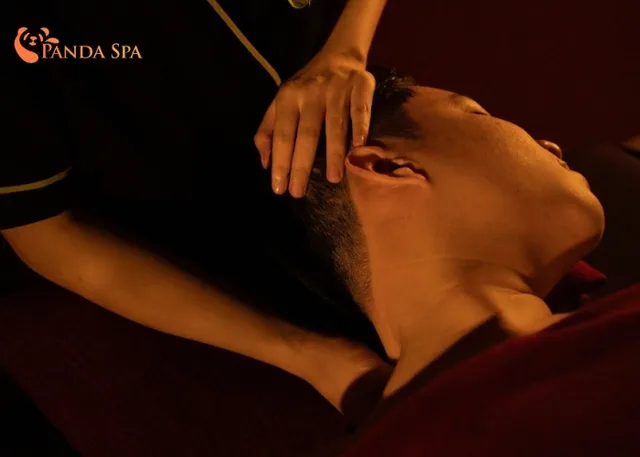
After a long busy workday, feeling helpless against a stiff neck is something no one wants. Mastering a safe how to massage neck and shoulders will be the key to helping you proactively soothe spasming muscle blocks. This article from Panda Spa will share a complete practice handbook, helping you confidently apply it right at home to release your body from pressure.
1. Why does the neck and shoulder area frequently ache?
Muscle stiffness in the neck and nape area often stems from the habit of maintaining incorrect postures such as sitting at a computer or using a phone for a long time. This continuous mechanical pressure reduces local blood circulation, leading to the accumulation of lactic acid causing a persistent aching feeling. Understanding the root cause of the problem will help you have the right direction in the process of supporting the recovery of the musculoskeletal system.
2. The scientific nature behind the correct way to massage the neck and shoulders
Self-care of the neck area should not be done instinctively but should be based on scientific knowledge of anatomical structure. A proper treatment will contribute to stimulating peripheral blood circulation and soothing the nervous system safely and naturally.
2.1. Posture preparation step in how to massage neck and shoulders
To optimize execution effectiveness, the first step is to choose a posture that helps the body completely relax. You can sit with a straight back, relaxing on a chair with a low backrest. If someone is assisting, lie prone on a flat mattress to ensure the muscle fibers in the nape are not tensed to resist the pressing force.
Reducing direct friction on the skin surface is also an important medical principle to remember. You should rub a few drops of natural essential oil such as coconut oil or olive oil into your palms to create warmth. This smoothness will help the subsequent muscle gliding operations go deep into the soft tissue without causing a burning sensation or scratching the epidermis.
2.2. How to identify contracted muscle points before massage

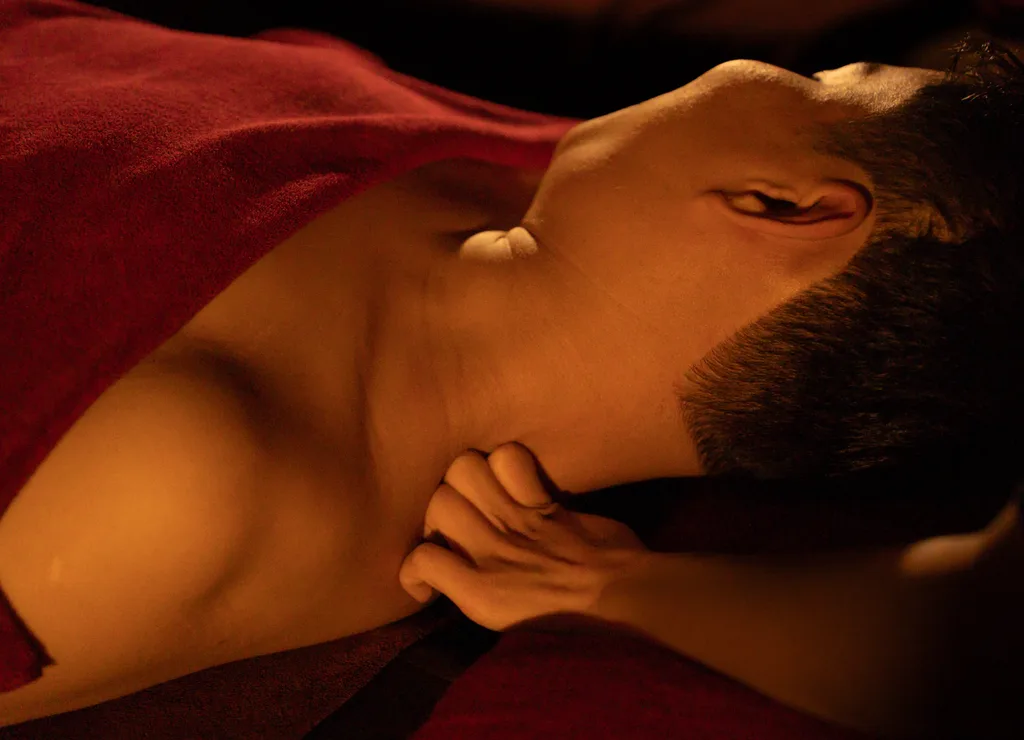
Before applying force, probing to "read" the damaged muscle area is a mandatory step. Use the pads of your fingers to press gently along both sides of the cervical spine and gradually spread to the shoulder blades. The areas that feel hard and lumpy under the hands, or cause a sharp pain when pressed lightly, are the Trigger Points that are spasming.
2.3. Surface warm-up stroking manipulation
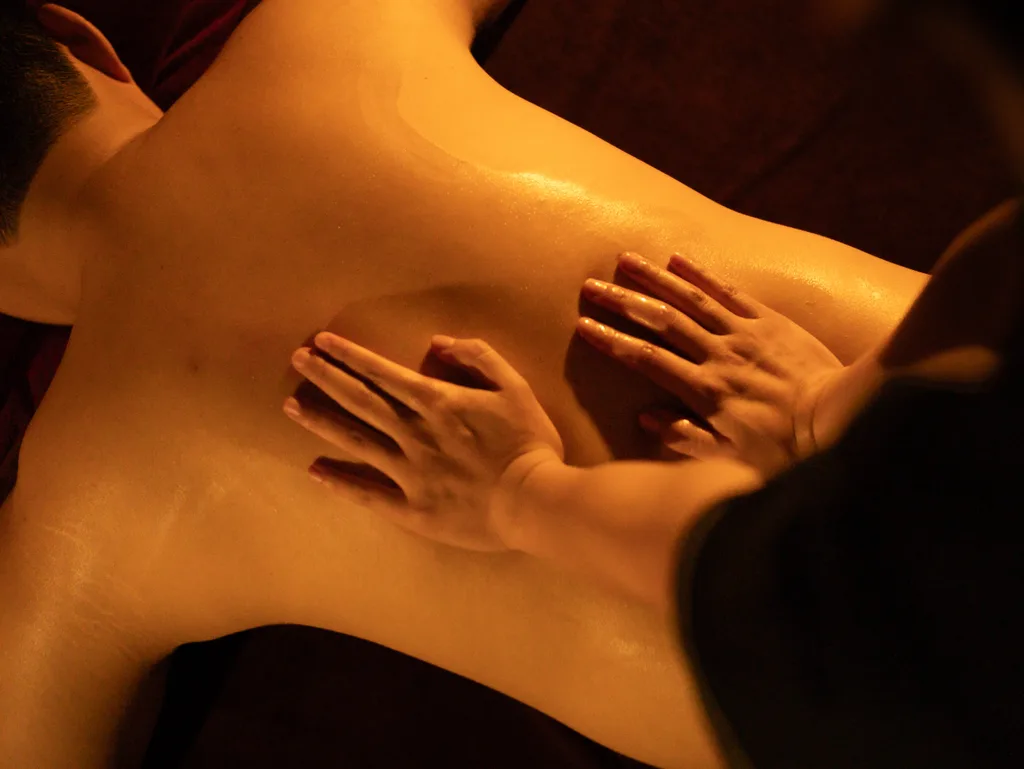
Once the damaged area has been identified, you should not press deeply right away. Start with a warm-up stroke to warm up the soft tissue. Use both palms to hug the muscle area behind the neck, stroke evenly from the hairline down along both sides of the shoulder blades rhythmically and slowly 5 to 7 times. This process helps stimulate peripheral blood vessels to dilate, preparing for the next intensive muscle release step.
2.4. Deep kneading technique from how to massage neck and shoulders
When the muscles have warmed up, we enter the operation of separating the stiff points (Trigger Points). Use the thumb and remaining fingers to form pincers, tightly hug the trapezius muscle fibers and perform continuous kneading and squeezing movements. Gently lift the muscle up from the skeletal frame to loosen the adhering fascia, while maintaining a steady rhythm according to your breath. If there is sharp pain, hand force must be reduced immediately to ensure medical safety.
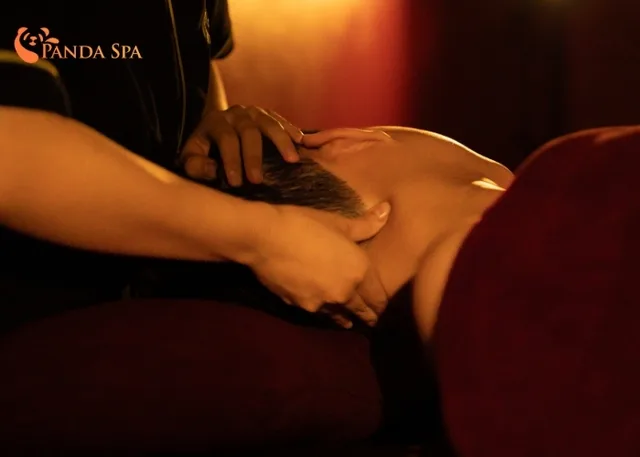
To make it easier for you to visualize and practice safely at home, below is a summary table of the three core elements of hand techniques:
| Operation Name | Hand Force Placement | Recommended Force Level |
|---|---|---|
| Surface warm-up stroking | Stroke from hairline down along both shoulder blades | Gentle to medium force |
| Kneading trapezius muscle | Neatly hug the muscle mass connecting the neck and shoulders | Medium to deep force |
| Gliding adhered muscle points | Finger pads glide on both sides of the spine (no pressing on bone) | Deep force, decisive pace |
3. How to massage neck and shoulders combined with acupressure for pain relief
To optimize the recovery support process, this handbook will share more on how to coordinate between mechanical massage and the art of traditional medical acupressure. Stimulating the correct reflex points will contribute to soothing the central nervous system, helping cut off tension signals quickly.
3.1. How to press and hold golden acupoints in how to massage neck and shoulders
In the meridian system, there are two core locations supporting blood and qi circulation very well for the neck and shoulder area: Feng Chi (Fengchi) acupoint and Jian Jing (Jianjing) acupoint. The Feng Chi acupoint is located in the hollows on both sides of the hairline at the nape, while the Jian Jing acupoint is located right at the highest point of both shoulders. Correctly locating these two acupoints largely determines the success of the operation.

Regarding safe acupressure technique, use your thumb tip to press a static perpendicular 90-degree force into the identified location. Hold the hand force tightly for 3 to 5 seconds, then slowly release. This movement supports relaxing stiff muscle areas and improving uncomfortable feelings in the head and neck, bringing a noticeably more relaxed and relieved state.
3.2. Supplementary stretching movements for how to massage neck and shoulders
A perfect care cycle is indispensable without active stretching exercises at the concluding step. Perform the Chin-tuck movement to gently stretch the posterior neck muscle group. Next, slowly tilt your head to one side, trying to press your ear to your shoulder to completely soften the sternocleidomastoid muscle bands on both sides.

From a medical perspective, these static stretching movements carry great preventive significance. They contribute to restoring the natural range of motion of cervical vertebrae and reducing disc pressure. At the same time, this supplementary step also helps prevent muscle fibers from suddenly spasming again right after performing the massage.
4. Frequently asked questions when self-massaging the neck and shoulder area
Self-performing manual operations at home requires you to master basic medical safety principles. The objective answers below will act as a safety filter, helping you avoid self-inflicting damage to your own musculoskeletal system.
4.1. Serious mistakes to avoid when self-performing at home?
One of the most dangerous mistakes is applying direct pressure on the cervical vertebrae, which risks causing disc damage or spinal cord compression. Absolutely do not use sudden strong jerking force or intentionally twist neck joints to create cracking sounds. Especially, this method is completely contraindicated when your neck and shoulder area is showing signs of swelling, heat, redness, and severe pain caused by acute arthritis episodes.
4.2. Ideal frequency to help muscles recover their best condition?
According to physical therapy experts, you should only maintain acupressure massage 1 to 2 times a week so the muscle tissue system has enough time to rest and self-regenerate the surface. Abusing strong rubbing every day can cause muscle fibers to harden and lose their natural elasticity. At the same time, proactively combine the habit of standing up for light movement after every 45 minutes of sitting to release pressure synchronously.
4.3. When does neck and shoulder pain need to see a medical expert immediately?
Self-massage only provides relaxation support for common functional muscle aches. If you notice the stiffness does not subside after many days, or is accompanied by warning symptoms such as tingling numbness spreading down both arms, limb weakness, severe headaches accompanied by nausea. These may be signs of deep nerve root compression, at this time you need to immediately go to a specialized medical facility for doctors to examine and intervene promptly.
5. When should you choose a neck and shoulder massage treatment at the spa?
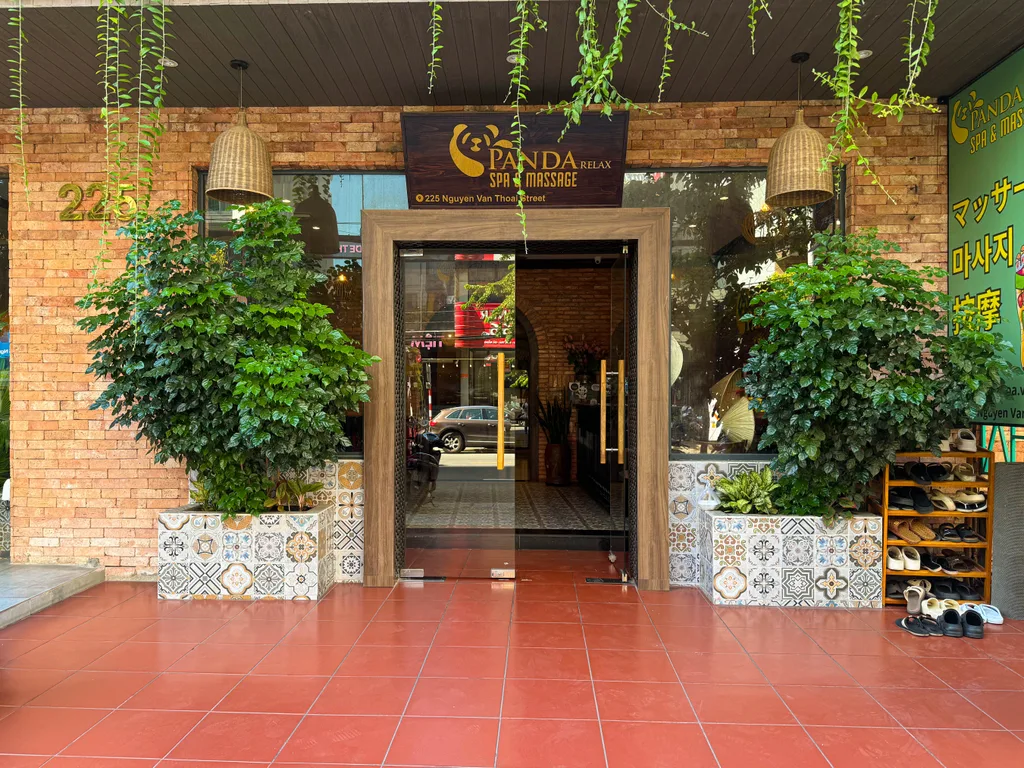
Mastering the anatomically standard way to massage the neck and shoulders is a natural solution to help reduce muscle stiffness and protect cervical spine health against the pressure of modern life. However, for cases of prolonged aches or the appearance of deep spasm points, choosing a professional therapeutic facility will bring more comprehensive effectiveness. If you need to experience an intensive care treatment, contact Panda Spa to have specialists support physical recovery, energy regeneration, and enjoy a feeling of complete relaxation.
CONTACT NOW
All core contact channels are grouped here so visitors can book or ask quickly.
- Hotline+84 70 818 5397
- Emailbooking@pandaspa.vn
- MessengerPanda Spa
- Kakao TalkPanda Spa
- NaverPanda Spa
- TripadvisorPanda Spa & Massage In Danang City
- Panda Spa & Massage229 Nguyen Van Thoai, An Hai, Da Nang 550000, Viet Nam
- Panda Relax Spa225c Nguyen Van Thoai, An Hai, Da Nang 550000, Viet Nam

Panda Spa has two branches on Nguyen Van Thoai street (229 & 225C), close to My Khe beach. Our therapists and receptionists share what they learn from guests every day.