What Is Relaxation Massage? How to Relax After a Long Day
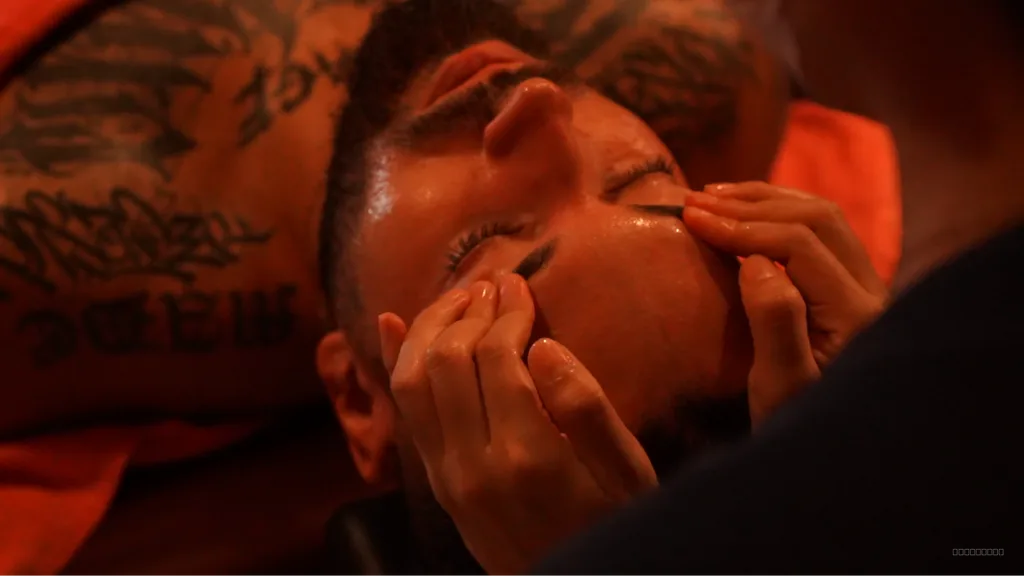
Massage is not only a form of body care but also an opportunity to rest and relieve feelings of fatigue after everyday activities. Through gentle stroking, kneading, and slow, rhythmic movements, this approach may help relax muscles and promote a sense of mental calm. So, what is relaxation massage, what benefits can it offer, and which factors contribute to a suitable massage session? Panda Spa shares information about its characteristics, potential benefits, and popular massage techniques to help guests choose a body care experience that meets their needs.
1. What Is Relaxation Massage?
Relaxation massage is a technique that uses stroking, kneading, gentle circular movements, and controlled pressure on soft tissues to help the body relax and promote a sense of comfort. To understand what is relaxation massage, it is important to recognize that its primary focus is overall comfort rather than applying intense pressure or addressing specific musculoskeletal conditions.
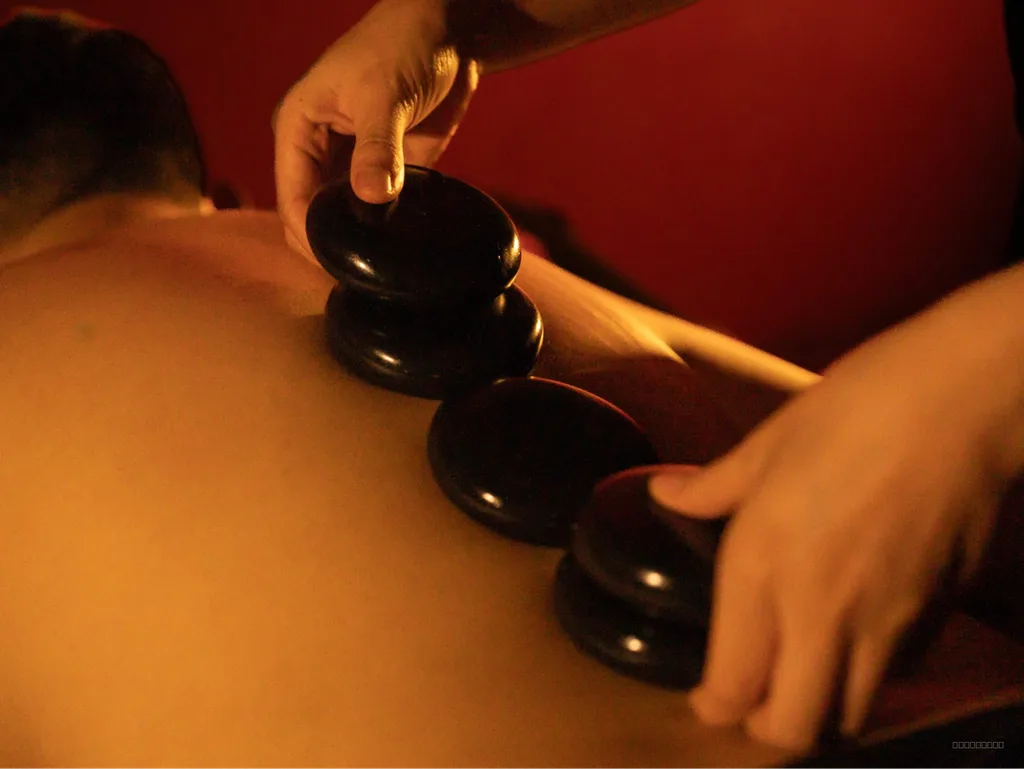
These techniques are typically performed with steady movements and light to moderate pressure, adjusted according to the recipient's feedback. Commonly treated areas include the back, shoulders, neck, arms, and legs, depending on the selected service. Massage therapists may use their palms, fingers, or massage oils to make the movements smoother and more comfortable.

2. How Does Relaxation Massage Benefit the Body and Mind?
Relaxation massage aims to promote physical and mental comfort through gentle manipulation of muscles and soft tissues. The experience may vary from person to person depending on physical condition, stress levels, and the techniques applied.
2.1 Helps the Body Relax After Work
Sitting in front of a computer for hours, standing for extended periods, or moving continuously throughout the day can lead to feelings of tension and fatigue in the neck, shoulders, back, and legs. Repetitive movements or maintaining the same posture for too long may also leave the body feeling heavy and uncomfortable, particularly toward the end of the day.
Relaxation massage uses gentle stroking and kneading techniques to promote comfort in these muscle groups. When the pressure is adjusted appropriately, recipients may experience reduced feelings of stiffness and greater physical comfort after a long working day.

2.2 Promotes Mental Relaxation
When exploring what is relaxation massage from a mental wellness perspective, an important factor is not only the massage techniques themselves but also the pace and overall comfort of the experience. Slow, consistent movements may help recipients feel more relaxed compared with periods of continuous physical activity or prolonged stress.
A quiet environment, suitable lighting, and uninterrupted rest also contribute to a pleasant experience. Some individuals may feel calmer or more inclined to rest after a massage session, although these responses are not the same for everyone.

2.3 Helps Ease Everyday Stress
Work pressure, demanding daily schedules, and limited opportunities for rest can leave the body feeling tense for extended periods. When this continues, some individuals may notice stiffness around the shoulders, neck, or back while finding it difficult to make time for relaxation.
Stress-relief relaxation massage typically involves light to moderate pressure, steady massage movements, and a comfortable environment. Together, these elements may help reduce perceived stress and allow recipients to temporarily disconnect from the demands of their daily routines.
2.4 Provides Time for Rest and Rejuvenation
Massage creates a dedicated period during which recipients can lie comfortably and take a break from their usual activities. Slow, rhythmic massage movements may help ease feelings of fatigue and leave the body feeling lighter after the session. For people with busy travel schedules, massage also offers an opportunity to rest their legs and back after extended periods of movement.
To maintain this sense of comfort, massage should be combined with adequate rest and healthy daily habits. Persistent sleep deprivation or excessive physical exertion cannot be completely resolved through a single body care session.

3. Key Elements of a Relaxation Massage Session
A relaxation massage session combines massage techniques, a suitable environment, and supporting elements such as massage oils or warm towels. Each component influences the recipient's overall experience, so adjustments should be made according to individual needs rather than applying the same approach to every guest.
3.1 Massage Pressure and Movement Rhythm
Massage pressure directly affects comfort when a therapist works on different muscle groups. In relaxation massage, pressure is generally kept light to moderate, providing a soothing sensation without causing pain or prolonged discomfort.
Common techniques include effleurage and petrissage. Effleurage involves gentle gliding movements across the skin, while petrissage works on soft tissues through lifting, squeezing, or moving the muscles with appropriate pressure. Besides pressure, the rhythm of the movements also influences the massage experience. Steady movements without sudden changes in speed generally promote comfort and give the body time to adjust.

3.2 A Quiet and Private Massage Environment
The massage environment plays an important role in determining how comfortably guests can rest throughout their session. A massage room with a pleasant temperature, soft lighting, and minimal noise helps reduce distractions and factors that may cause discomfort.
Privacy is also important, particularly for individuals seeking relaxation after work or enjoying a massage experience with loved ones. A private space allows guests to unwind without frequent interruptions from surrounding activities. Additional factors such as massage beds, clean linens, suitable pillows, and air conditioning also contribute to the overall experience.

3.3 Essential Oils and Aromatherapy
Essential oils or scented massage oils are commonly incorporated into full-body massage treatments. Massage oils help reduce friction between the therapist's hands and the skin, allowing stroking movements to be performed more smoothly and continuously.
Massage fragrances may come from natural essential oils or other aromatic ingredients, depending on the product formulation. Scents such as lavender, orange, and various herbs are often selected to create a pleasant atmosphere during body care treatments.

3.4 Warm Towels and Additional Comfort Features
Warm towels are among the elements that may be used to enhance comfort during body care treatments. Gentle warmth from a towel can create a soothing sensation in the area of contact and help guests relax before or after certain massage techniques.
However, towel temperature must be checked to prevent burns or discomfort, especially for individuals with sensitive skin or reduced heat sensitivity. In addition to warm towels, some massage establishments provide supportive pillows, lightweight blankets, replacement clothing, or designated resting areas. These amenities help guests maintain comfortable positions and transition more easily between different stages of the treatment.

4. Popular Types of Relaxation Massage
Depending on the techniques used and the areas of the body being treated, relaxation massage can take several forms. For those exploring what is relaxation massage, understanding the differences between popular massage styles can help identify an option that matches their relaxation needs and preferred pressure level.
Common types of relaxation massage include:
- Full-Body Relaxation Massage: Uses stroking, kneading, and gentle circular movements across multiple areas, including the back, shoulders, arms, and legs, to promote overall comfort.
- Aroma Massage: Combines scented massage oils with gentle movements, making it suitable for individuals interested in relaxation through both touch and fragrance.
- Swedish Massage: Features long, flowing strokes, kneading techniques, and rhythmic movements applied to soft tissues. It is commonly used in relaxation-focused massage services.
- Foot Massage: Focuses on the feet and lower legs through gentle rubbing and kneading techniques, making it suitable for those seeking relief from feelings of fatigue after walking or standing for extended periods.
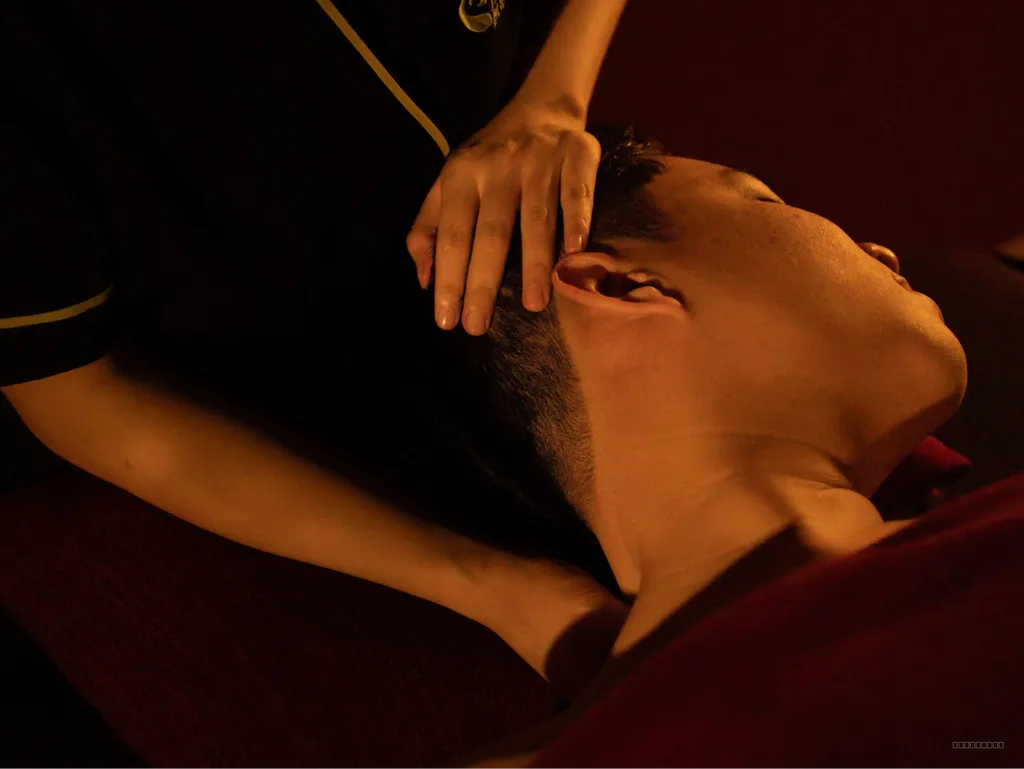
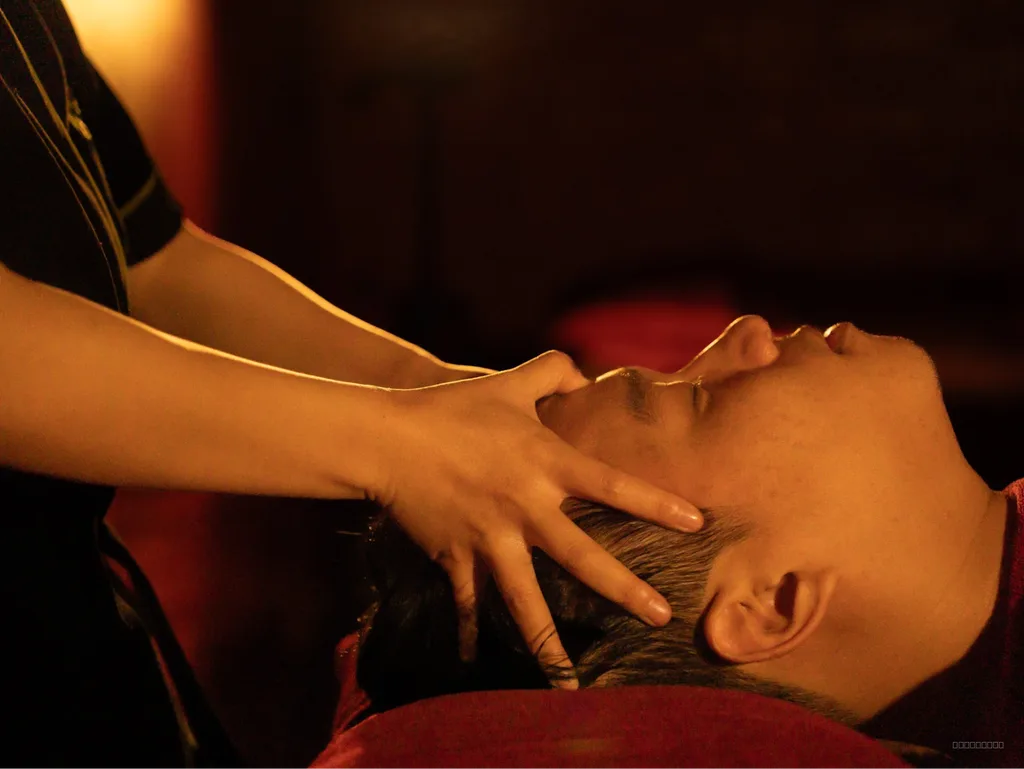
- Head, Neck, and Shoulder Massage: Concentrates on areas that commonly experience tension from computer work or maintaining the same posture for long periods.
- Four-Hand Massage: Involves two massage therapists performing coordinated movements simultaneously, creating a synchronized experience across multiple areas of the body.
- Couples Massage: Allows two guests to enjoy massage treatments in the same space, with techniques and pressure levels adjusted individually according to their preferences.
The differences between these massage styles extend beyond their names. They also involve the areas treated, the types of oils used, the combination of techniques, and the treatment environment. Some sessions may incorporate several approaches, so guests should review service descriptions rather than assuming that each massage name refers to one fixed technique.
5. What Is the Difference Between Relaxation Massage and Therapeutic Massage?
Relaxation massage and therapeutic massage both involve techniques applied to soft tissues, but they differ in their primary objectives and how the techniques are performed. An important distinction when explaining what is relaxation massage is that this approach prioritizes overall comfort, while therapeutic massage typically focuses more on muscle groups experiencing tension or requiring targeted care.
The main differences can be identified through the following criteria:
|
Criteria |
Relaxation Massage |
Therapeutic Massage |
|
Purpose |
Promotes relaxation and helps ease feelings of fatigue |
Focuses on muscle areas experiencing tension or discomfort |
|
Techniques |
Stroking, gentle kneading, and rhythmic movements |
May combine targeted pressure, deep tissue techniques, or stretching |
|
Massage Pressure |
Generally light to moderate |
Adjusted according to the muscle area and treatment objective |
|
Areas Treated |
Usually covers multiple areas of the body |
May focus on a specific area or the entire body |
|
Experience |
Prioritizes comfort and relaxation |
May involve more targeted soft tissue techniques |
6. How to Choose the Right Relaxation Massage Treatment
Not all massage techniques provide the same experience. Beyond understanding what is relaxation massage, guests should consider their personal wellness needs, physical sensitivity, and any conditions that may affect their comfort during the session.
When choosing a relaxation massage treatment, the following factors should be considered:
- Identify Your Relaxation Goals: If you want to care for multiple areas of your body, a full-body massage may be suitable. If you mainly experience tired legs or tension around the neck and shoulders, consider a treatment that focuses on those specific areas.
- Choose an Appropriate Pressure Level: Individuals who are sensitive to pressure should prioritize gentle massage techniques and discuss their comfort levels with the therapist before the session.
- Check Massage Oil Ingredients: If you have a history of allergies, sensitive skin, or dislike certain fragrances, ask about the products used during the treatment.
- Consider Your Health Condition: Individuals with injuries, open wounds, a risk of blood clots, severe osteoporosis, or recent surgery should consult a healthcare professional before receiving a massage.
- Review Treatment Duration and Services: A longer massage session does not automatically provide better results. The duration should match your needs and physical condition.
- Prioritize a Comfortable Environment: Private rooms, cleanliness, suitable temperatures, and adjustable sound levels can help guests enjoy a more relaxing experience.
- Check Service Information: Review the massage techniques, pricing, and accompanying policies to avoid confusion between treatments with similar names.
7. Experience Relaxation Massage at Panda Spa
At Panda Spa, guests can experience a variety of massage services, including Aroma Massage with essential oils, foot massage, traditional Thai massage, four-hand massage, and Panda's signature treatments. Each service uses different techniques and pressure levels to accommodate individual relaxation needs, help ease feelings of muscle tension, and support overall body care.
Panda Spa has two locations at 225C and 229 Nguyen Van Thoai Street, Da Nang, near My Khe Beach. Both locations offer private spaces and amenities such as shower facilities, luggage storage, and transportation assistance subject to applicable conditions. After learning what is relaxation massage, guests can explore the services available at Panda Spa & Massage Da Nang and discuss their preferences and health conditions to select a suitable treatment.
Panda Spa Da Nang offers a variety of relaxation massage options, using techniques designed to help guests find a body care experience that suits their individual needs.
Understanding what relaxation massage is helps explain how gentle massage techniques, a peaceful environment, and supportive amenities contribute to physical comfort after a long day. Relaxation massage may help ease feelings of muscle tension and provide an opportunity for rest, but it is not a substitute for medical treatment when unusual symptoms occur. At Panda Spa Da Nang, guests can explore massage services that match their body care needs, discuss their physical condition beforehand, and choose a relaxing experience based on their personal preferences.
CONTACT NOW
All core contact channels are grouped here so visitors can book or ask quickly.
- Hotline+84 70 818 5397
- Emailbooking@pandaspa.vn
- MessengerPanda Spa
- Kakao TalkPanda Spa
- NaverPanda Spa
- TripadvisorPanda Spa & Massage In Danang City
- Panda Spa & Massage229 Nguyen Van Thoai, An Hai, Da Nang 550000, Viet Nam
- Panda Relax Spa225c Nguyen Van Thoai, An Hai, Da Nang 550000, Viet Nam
Panda Spa has two branches on Nguyen Van Thoai street (229 & 225C), close to My Khe beach. Our therapists and receptionists share what they learn from guests every day.