What Is Therapeutic Massage? Methods, Benefits & Who It's For
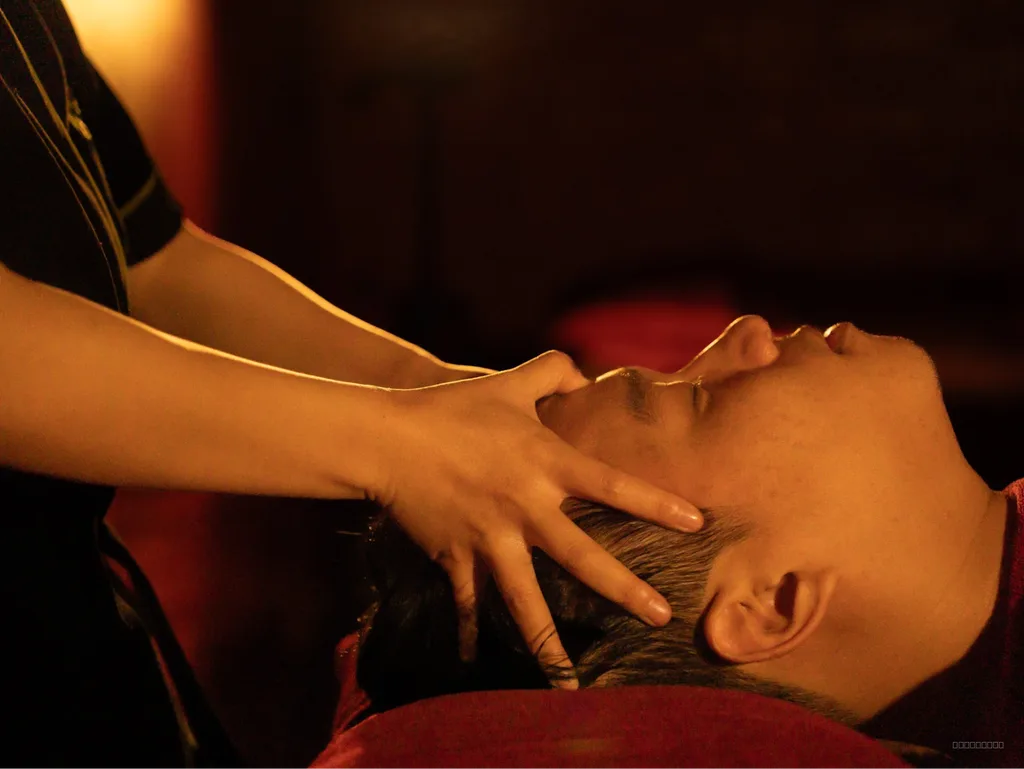
Muscle tension and fatigue after long hours of work, physical activity, or maintaining the same posture often lead people to explore massage techniques that target tight muscle groups. However, what is therapeutic massage, and how does it differ from conventional relaxation massage? Therapeutic massage uses controlled techniques applied to muscles and soft tissues to help reduce feelings of tension and fatigue, improve physical comfort, and promote relaxation. However, it is not a substitute for medical treatment. Panda Spa Da Nang provides essential information about the principles, techniques, potential benefits, and safety considerations to help you understand this approach before choosing a service.
1. The Nature and Principles of Therapeutic Massage
To answer the question what is therapeutic massage, it can be described as a method that uses rubbing, kneading, pressing, gliding, and other controlled techniques on muscles and soft tissues to help relieve feelings of tightness, soreness, and physical discomfort. Depending on individual needs, the therapist may focus on a specific muscle group or combine treatments for several body areas during the same session.
The principles of therapeutic massage are based on mechanical stimulation of soft tissues, including muscles, tendons, and connective tissues. Appropriate stroking, kneading, and pressure techniques may help reduce feelings of tension, encourage relaxation, and support mobility in certain situations.

2. How Does Therapeutic Massage Differ From Regular Relaxation Massage?
Although both approaches use manual massage techniques, therapeutic massage and relaxation massage differ in their objectives, treatment areas, and how techniques are adjusted. When exploring what is therapeutic massage, it is important to understand that therapeutic massage generally focuses on tight or uncomfortable muscle areas, while relaxation massage prioritizes overall comfort and stress reduction.
The main differences between these two approaches are outlined below:
|
Criteria |
Therapeutic Massage |
Relaxation Massage |
|
Objective |
Focuses on tight, uncomfortable, or specific muscle groups requiring attention |
Promotes overall relaxation and reduces feelings of physical fatigue |
|
Techniques |
May combine pressure techniques, kneading, deep tissue work, and appropriate stretching |
Primarily uses stroking, gentle kneading, and rhythmic movements |
|
Massage Pressure |
Adjusted according to the muscle area and individual pressure tolerance |
Usually involves light to moderate pressure |
|
Areas of Focus |
May target a specific area or involve full body therapeutic massage |
Usually covers multiple areas of the body |
|
Sensations During Massage |
Mild pressure or tightness may be felt in the muscle area being treated |
Prioritizes comfortable and relaxing sensations |
These differences are relative because the techniques used in both approaches can overlap. A relaxation massage may include pressure techniques, while deep therapeutic massage does not necessarily need to cause pain or involve strong pressure.
Therefore, choosing a massage approach should not depend solely on the service name. It is important to consider your wellness goals, the body areas requiring attention, and your health condition to determine the most suitable treatment.
3. Common Therapeutic Massage Techniques
Understanding what is therapeutic massage also involves recognizing the techniques commonly used to care for muscles and soft tissues. Each method has its own characteristics and approach, ranging from deep tissue massage and acupressure to stretching techniques, heat-based massage, and treatments combined with essential oils.
3.1 Deep Tissue Massage
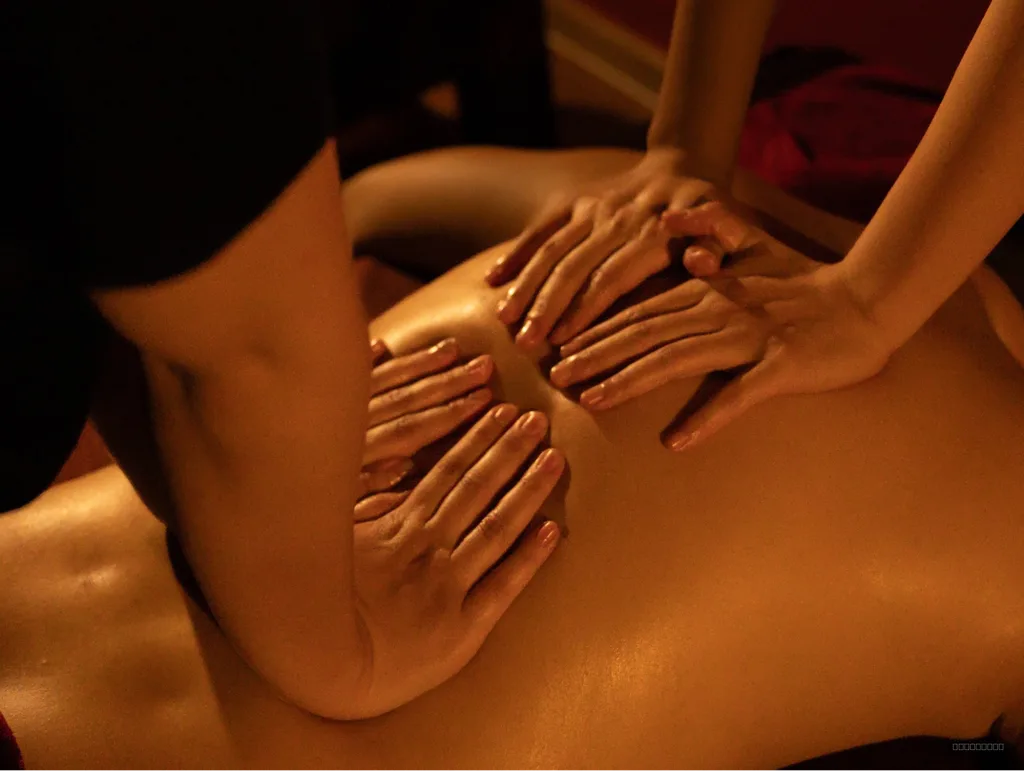
Deep Tissue Massage uses slow, controlled movements to work on deeper layers of muscles and connective tissues compared with superficial stroking techniques. Depending on the body area, pressure may be applied using the palms, fingers, knuckles, or forearms.
Therapists often focus on muscle groups experiencing persistent tightness, such as the back, shoulders, hips, or thighs. Slow gliding movements along muscle fibers and appropriately maintained pressure may help reduce tension and improve comfort after the session. In deep therapeutic massage, pressure should be carefully controlled rather than continuously increased simply to create a stronger sensation.
3.2 Acupressure Massage
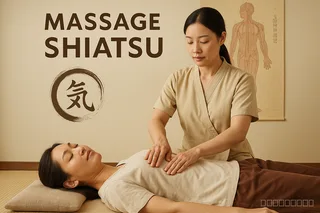
Acupressure massage involves using the fingers, palms, or other parts of the hands to apply pressure to specific points on the body. This technique is incorporated into various traditional massage practices, including Japanese Shiatsu.
Unlike deep tissue massage, which focuses on deeper layers of soft tissue, acupressure emphasizes deliberate pressure on points or areas identified within a particular technique system. Acupressure may promote relaxation and reduce muscle tension in some individuals. However, concepts such as unblocking meridians or balancing energy belong to traditional theoretical systems and should not be considered evidence that the technique can treat specific medical conditions.
3.3 Traditional Thai Massage
Traditional Thai Massage combines pressure techniques, stretching, and assisted changes in body position. Rather than focusing exclusively on one muscle area, this approach usually works with multiple muscle groups and joints through controlled movements.
One distinctive feature of Thai massage is passive stretching. The therapist helps the recipient perform gentle stretching positions, encouraging a sense of physical relaxation and potentially improving flexibility in certain areas for a short period.

3.4 Hot Stone Massage
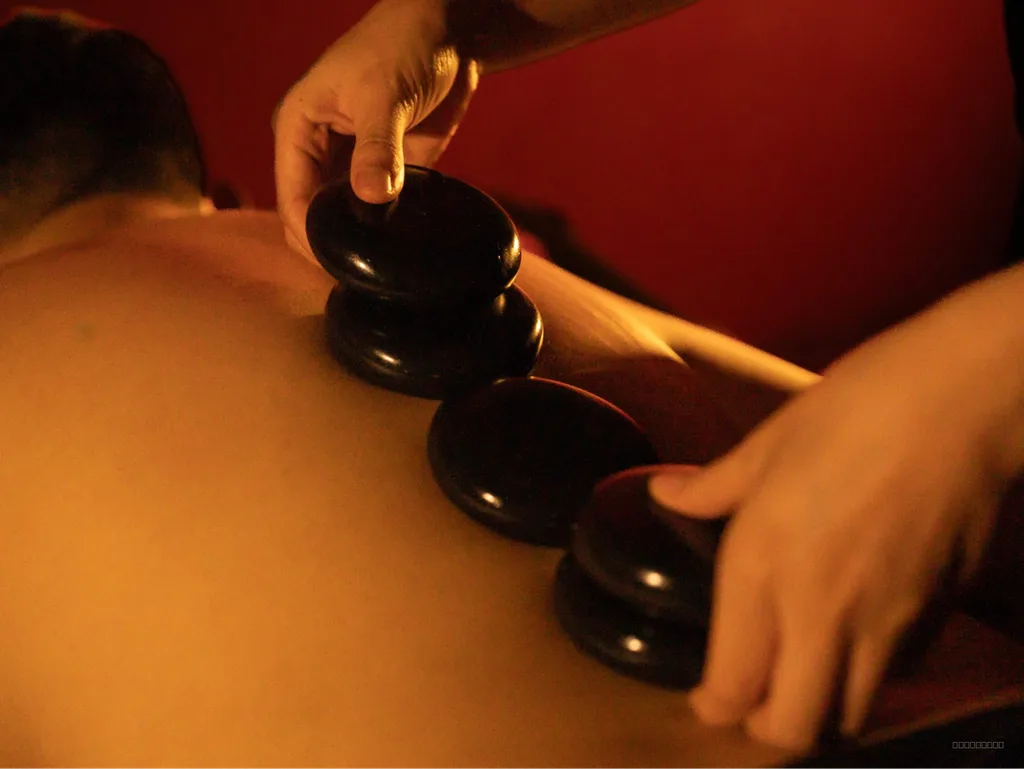
Hot Stone Massage uses smooth, warmed stones to combine heat transfer with manual massage techniques. The stones may be placed on appropriate body areas or held by the therapist to perform massage movements across the skin.
The heat from the stones creates a warming sensation at the point of contact, while gentle stroking and kneading movements support muscle relaxation. Common treatment areas include the back, shoulders, and legs, depending on the technique and individual health condition. The defining feature of hot stone massage is the use of heat rather than the intensity of pressure. Therefore, it is not necessarily classified as deep tissue massage, although it may be incorporated into specialized muscle care treatments.

3.5 Massage Combined With Essential Oils
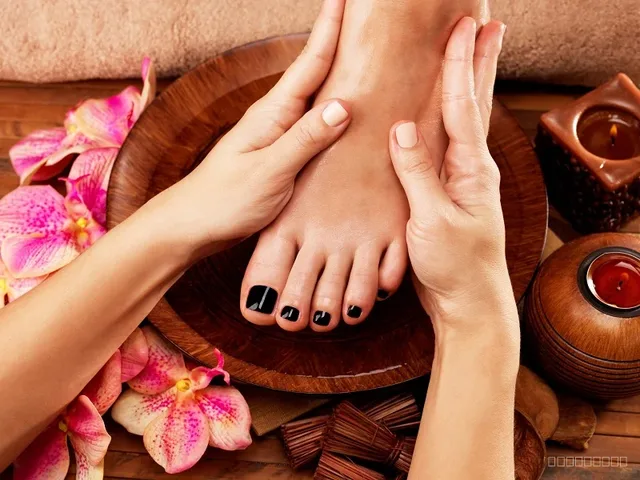
Massage combined with essential oils uses manual massage movements together with massage oil products, which may contain fragrance ingredients or aromatic essential oils. The oil helps reduce friction between the therapist's hands and the skin, allowing stroking movements to be performed more smoothly and continuously.
Common techniques include stroking (Effleurage), kneading (Petrissage), and gentle circular movements applied to soft tissues. The distinguishing feature of oil massage is the combination of mechanical massage techniques and an aromatic experience. However, not all massage oils contain pure essential oils, and different formulations may use different ingredients.

4. What Are the Benefits of Therapeutic Massage?
After understanding what is therapeutic massage, its benefits should be considered in terms of actual changes in muscle tension, physical comfort, and relaxation. Massage may provide certain short-term benefits, but individual responses vary, and the scientific evidence is not equally strong for every health condition.
Commonly reported or sought-after benefits include:
- Helping reduce muscle tension: Kneading, gliding movements, and appropriately applied pressure may help relieve feelings of tightness in the back, shoulders, neck, or legs.
- Relieving soreness in certain cases: Massage may provide short-term relief from musculoskeletal pain for some individuals. However, its effectiveness depends on the underlying cause of the pain and the techniques used.
- Promoting mental relaxation: The combination of massage movements, a consistent rhythm, and a quiet environment may help reduce feelings of stress.
- Supporting physical flexibility: Gentle stretching techniques may help reduce stiffness and improve comfort during movement, particularly after spending long periods in the same position.
- Reducing feelings of fatigue: Massage may provide a sense of comfort after activities such as walking, working for extended periods, or engaging in physical exercise.
- Creating favorable conditions for rest: The relaxed state following a massage may help some individuals feel more comfortable before resting. However, this does not mean massage can treat sleep disorders.
According to the U.S. National Center for Complementary and Integrative Health (NCCIH), evidence supporting the benefits of massage varies depending on the health condition, and many findings indicate only potential short-term improvements.
Therefore, massage should be considered a complementary wellness approach rather than a replacement for medical treatment. Persistent pain, progressively worsening pain, or pain accompanied by unusual symptoms should be medically evaluated to determine the underlying cause before applying techniques that affect soft tissues.
5. Who Should and Should Not Receive Therapeutic Massage?
Knowing what is therapeutic massage is not enough to determine whether this approach is suitable for everyone. Its suitability also depends on individual health conditions, the degree of muscle tension, physical activity patterns, and factors that may increase the risk of injury during massage.
5.1 Who May Benefit From Therapeutic Massage?
Therapeutic massage may be considered by individuals who want to reduce feelings of muscle tension and fatigue while improving physical comfort after everyday activities. However, it is important to distinguish ordinary tiredness from symptoms that may be caused by an undiagnosed medical condition.
People who may be interested in this approach include:
- Office workers: Individuals who sit for long periods, rarely change posture, or spend extended hours working at a computer may experience tension in the neck, shoulders, and back.
- People who travel or move around frequently: Walking, standing for extended periods, or following a busy schedule may lead to feelings of heaviness and fatigue in the legs and back.
- Physically active individuals: Muscle groups that are frequently engaged during physical activity may require adequate rest and appropriate care afterward.
- People seeking stress relief: Massage in a quiet environment may help the body relax after periods of demanding work or stressful daily activities.
- People who want care for multiple muscle groups: Certain forms of full body therapeutic massage may combine appropriate techniques for several body areas within a single session.
- People experiencing mild muscle tension: Individuals with muscle tightness or fatigue without unusual symptoms may consider massage after their condition has been appropriately assessed.
However, belonging to one of these groups does not mean that the same massage treatment is suitable for everyone. The techniques, pressure intensity, and treatment areas should be adjusted according to individual pressure tolerance and relevant health conditions.
For individuals experiencing recurring or persistent pain without a clear cause, medical evaluation should take priority over relying solely on massage to reduce discomfort.
5.2 When Should Therapeutic Massage Be Approached With Caution?
Although massage is commonly used for relaxation, certain health conditions may make mechanical pressure on soft tissues unsuitable. In particular, techniques involving strong pressure or deep stretching may increase the risk of injury when applied to areas affected by existing health problems.
Conditions requiring assessment before massage include:
- People with acute injuries: Muscles, tendons, or joints affected by swelling, bruising, sprains, or injuries that have not fully healed may need to be protected from direct pressure.
- People with bone-related conditions: Severe osteoporosis, fragile bones, or a history of fractures require careful consideration before techniques involving significant pressure are used.
- People at risk of blood clots: Individuals with confirmed or suspected deep vein thrombosis should not receive massage on the affected area without prior medical assessment.
- People with bleeding disorders: Individuals who bruise or bleed easily, or who take anticoagulant medications, should consult a healthcare professional before receiving massage involving strong pressure.
- People with skin injuries: Areas affected by inflammation, infection, open wounds, or irritation should be protected from direct contact and massage pressure.
- Pregnant women: Massage techniques should be selected according to the stage of pregnancy, with guidance from a healthcare professional when necessary.
- People who have recently undergone surgery: Surgical areas and tissues that have not fully healed must be protected. Massage or stretching should not be performed without appropriate guidance.
In addition, warning signs such as severe unexplained pain, sudden numbness or weakness, swelling in one leg, or fever accompanied by pain require medical assessment rather than continued massage.
Providing complete information about your health condition before a massage session helps reduce the risk of unsuitable techniques being applied. For individuals with underlying medical conditions or those currently receiving treatment, advice from a qualified healthcare professional is an important basis for deciding whether massage is appropriate.
6. Experience Massage Treatments at Panda Spa
At Panda Spa, guests can choose from various body care treatments, including Panda Signature Full Body Therapy, Intensive Back, Neck, Shoulder, and Head Therapy, and Shiatsu Acupressure Massage. For those exploring what is therapeutic massage, these services combine techniques such as kneading, pressure application, stretching, and hot stones to promote relaxation and help reduce feelings of muscle tension and fatigue. The spa also offers traditional Thai massage, essential oil massage, and forms of deep therapeutic massage suited to different body care needs.
Panda Spa has two locations at 225C and 229 Nguyen Van Thoai Street, Da Nang, near My Khe Beach. Both offer private massage spaces and amenities such as showers, luggage storage, and transportation assistance, subject to applicable conditions. Before experiencing full body therapeutic massage, guests should discuss their health conditions, areas requiring attention, and preferred massage pressure with the therapist. Information about treatment programs, session durations, and available support services can be found through Panda Spa Da Nang.
Understanding what is therapeutic massage helps distinguish different soft tissue care techniques, ranging from deep tissue massage and acupressure to Thai massage, hot stone massage, and essential oil treatments. Each method has its own characteristics, so the choice should be based on relaxation needs, health conditions, and individual pressure tolerance rather than assuming that stronger massage always produces better results. At Panda Spa Da Nang, guests can explore available massage treatments, discuss the body areas requiring attention, and choose a suitable service for a safe, comfortable, and relaxing experience.
Frequently Asked Questions (FAQ)
1. Is Therapeutic Massage a Form of Medical Treatment?
No. Therapeutic massage services commonly offered at spas are not equivalent to medical treatment or rehabilitation performed under professional medical supervision. Massage may be used as a complementary wellness approach to promote relaxation and help reduce certain types of discomfort in muscles and soft tissues. However, identifying the causes of pain, diagnosing medical conditions, and developing treatment plans require appropriately qualified healthcare professionals.
If pain persists, frequently returns, or interferes with daily activities, medical assessment is recommended rather than relying solely on massage. This is particularly important when pain is accompanied by numbness, weakness, swelling, or unusual limitations in movement.
2. Is Deep Tissue Massage More Effective Than Gentle Massage?
Deep tissue massage is not necessarily more effective than gentle massage because each technique has different objectives and levels of physical pressure. The choice of method should depend on the individual's physical condition, pressure tolerance, and body care needs. Deep tissue massage uses slow movements with controlled pressure to work on deeper layers of muscles and connective tissues. In contrast, gentle massage generally prioritizes stress reduction and relaxation without requiring substantial pressure.
For individuals who are sensitive to pressure or have soft tissue concerns, gentler techniques may be more suitable. Pain during massage is not a reliable indicator of effectiveness, and excessive pressure may increase the risk of injury.
3. How Often Should You Receive Therapeutic Massage?
There is no single therapeutic massage frequency that is suitable for everyone. The interval between sessions depends on individual goals, health conditions, responses to previous massages, and the techniques used. People seeking relaxation may schedule massage sessions according to their personal needs and daily routines. Meanwhile, individuals experiencing persistent musculoskeletal symptoms should have the underlying causes assessed before developing an appropriate care plan.
If a massage is followed by increased pain, significant bruising, or prolonged discomfort, it is advisable to pause further sessions and seek medical advice when necessary. Massage frequency or pressure should not be increased simply in the hope of achieving faster results.
CONTACT NOW
All core contact channels are grouped here so visitors can book or ask quickly.
- Hotline+84 70 818 5397
- Emailbooking@pandaspa.vn
- MessengerPanda Spa
- Kakao TalkPanda Spa
- NaverPanda Spa
- TripadvisorPanda Spa & Massage In Danang City
- Panda Spa & Massage229 Nguyen Van Thoai, An Hai, Da Nang 550000, Viet Nam
- Panda Relax Spa225c Nguyen Van Thoai, An Hai, Da Nang 550000, Viet Nam
Panda Spa has two branches on Nguyen Van Thoai street (229 & 225C), close to My Khe beach. Our therapists and receptionists share what they learn from guests every day.