What Is Foot Massage? Techniques, Benefits & Procedure
After a long day of walking, standing at work, or constantly moving around, your feet can experience considerable pressure, often leading to tiredness, heaviness, or muscle tension. Foot massage is a body care technique that uses rubbing, kneading, controlled pressure, and stretching movements to help relax the feet, ankles, and surrounding muscles. However, choosing a suitable treatment requires understanding what is foot massage, the techniques commonly used, and how to perform them safely. Join Panda Spa Da Nang as we explore this relaxing treatment in detail.
1. Understanding the Nature and Principles of Foot Massage
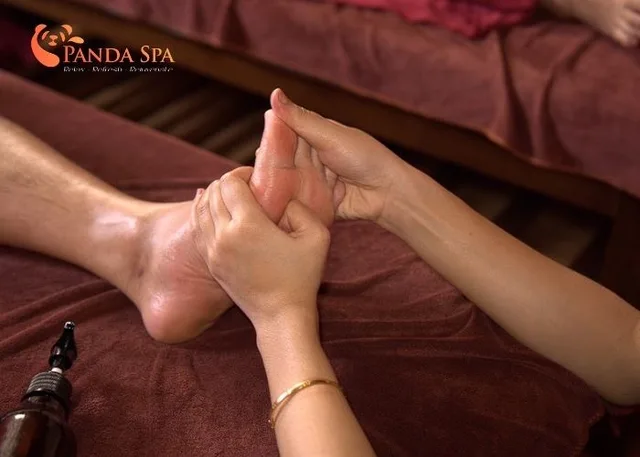
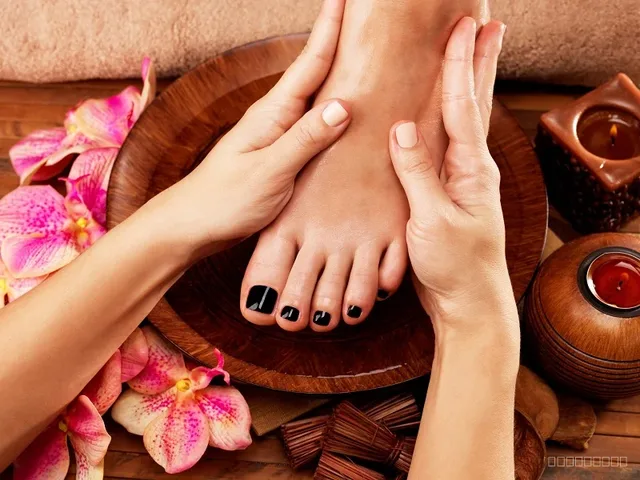
What is foot massage? It is a body care method that involves physical techniques such as rubbing, stroking, kneading, and applying pressure to the feet, soles, tops of the feet, ankles, and sometimes parts of the lower legs. These movements aim to relax soft tissues, reduce feelings of fatigue and tension, and improve comfort after physical activity or prolonged standing.
In principle, foot massage uses controlled pressure from the hands, fingers, or suitable tools to work on the skin and underlying soft tissues. Depending on the technique, movements may be gentle and cover a broad area or focus on specific points. When performed correctly, massage may help relax tense muscle groups and create a soothing sensation in the treated areas.

Foot massage does not focus exclusively on the soles. It may also include the toes, tops of the feet, heels, and ankle areas. The treatment area depends on the service selected, individual preferences, and physical condition. It is important to remember that foot massage is a relaxation and body care method, not a substitute for medical treatment of musculoskeletal, neurological, or circulatory conditions.
2. What Are the Most Common Foot Massage Techniques?
To better understand foot massage techniques, it is important to distinguish the characteristics and purposes of each movement. Different techniques produce varying levels of pressure, so the intensity should be adjusted according to the massage area and the individual's tolerance.
2.1 Foot Rubbing and Stroking Techniques
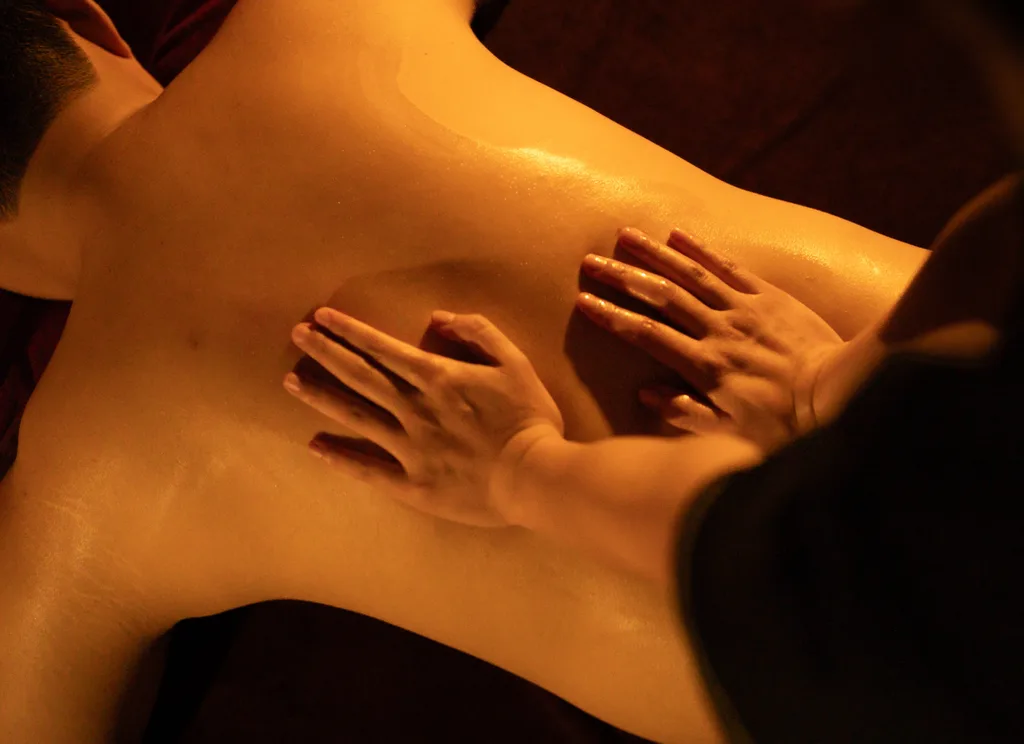
Rubbing and stroking are fundamental techniques commonly used at the beginning of a foot massage session. These movements primarily involve the palms and fingers, which glide gently over the skin to help the feet become accustomed to pressure before more focused techniques are introduced.
During the treatment, the therapist may use the palms to stroke along the soles or tops of the feet or gently move around the heels and toes. Pressure is generally maintained at a light to moderate level to avoid discomfort or skin irritation. These techniques are particularly suitable for first-time clients or individuals seeking gentle relaxation after walking or standing for extended periods.

2.2 Circular Pressure and Muscle Kneading Techniques
Circular pressure and muscle kneading involve using the hands or fingers to work on the soft tissues of the feet and lower legs. Unlike stroking, which mainly creates movement across the skin's surface, these techniques can apply more noticeable pressure to muscle areas, helping clients experience relaxation in regions affected by tension or fatigue.
During the procedure, the therapist may use circular finger movements or gently knead suitable muscle areas with the palms. The intensity should be adjusted according to individual sensitivity, especially around the soles, heels, and calves. Excessive pressure should be avoided, and massage should not be applied directly to areas showing swelling, bruising, or signs of injury.

2.3 Foot Pressure and Acupressure Techniques
Pressure and acupressure techniques involve using the fingers, fingertips, or parts of the palms to apply controlled pressure to specific points on the feet. In some traditional massage practices, these points are selected according to the acupoint systems and principles of the respective approach.
During the treatment, the therapist typically applies light to moderate pressure, holds it for an appropriate period, and then gradually releases it. Areas receiving pressure may include the soles, the regions near the base of the toes, or the heels. Sensitivity varies between points, so strong pressure should not be applied simply to produce pain or soreness.

2.4 Ankle Stretching and Rotation Techniques
Ankle stretching and rotation are movements designed to support relaxation around the ankle and help clients experience greater comfort when moving their feet. These techniques are part of understanding what is foot massage, as they focus on gentle care for the joints and surrounding muscles. They should be performed carefully, with controlled ranges of motion, without forcing the joints beyond their natural limits.
Common movements include rotating the ankles in small circles, gently flexing and extending the feet, or lightly stretching the toes. During these movements, the therapist should stabilize the foot, move slowly, and observe the client's response. If the ankle is painful, swollen, recently injured, or shows unusual movement restrictions, stretching or joint rotation should not be performed without appropriate medical guidance.
3. Basic Foot Massage Procedure at Panda Spa Da Nang
A typical foot massage session includes discussing the client's needs, preparing the treatment area, performing massage techniques, and allowing time to rest afterward. At Panda Spa, clients can discuss their relaxation goals, areas of foot fatigue, and relevant health considerations with the staff to receive guidance on choosing a suitable treatment.
The foot massage experience can generally be described through the following steps. Specific techniques may vary depending on the selected treatment and the therapist's recommendations.
Step 1: Consultation and assessment of individual needs: Clients share information about the condition of their feet, levels of fatigue, areas requiring attention, and pressure tolerance. Any injuries, underlying medical conditions, allergies, or sensitive skin areas should also be disclosed before the session begins.
Step 2: Preparation before the treatment: Clients receive guidance on preparing a comfortable resting position and the areas of the feet to be treated. If foot cleansing is required or there are specific concerns about products that may come into contact with the skin, clients should discuss these with the staff to receive appropriate assistance.
Step 3: Introduction to massage pressure: The therapist begins with gentle rubbing and stroking movements to help the feet gradually adapt to the applied pressure. This stage also allows the therapist to observe the client's response before introducing other techniques.
Step 4: Performing foot massage techniques: Depending on individual needs and the selected treatment, the therapist may combine stroking, kneading, controlled pressure, acupressure, or gentle ankle stretching. The intensity should be adjusted appropriately to avoid pain or excessive pressure on injured areas.
Step 5: Adjusting techniques and checking comfort levels: During the massage, clients should provide feedback if the pressure feels too strong, too light, or causes discomfort. The therapist can adjust the movements based on this feedback to maintain a comfortable experience.
Step 6: Completing the session and resting: After the massage is completed, clients can take some time to relax before continuing their daily activities. If pain, numbness, or unusual reactions occur after the treatment, they should inform the staff to receive appropriate guidance.
A suitable foot massage procedure should emphasize both proper techniques and the client's feedback. Clear communication before and during the session helps minimize unwanted effects while creating a more comfortable and relaxing experience at Panda Spa.
4. What Are the Benefits of Foot Massage for the Body?
Foot massage may offer several relaxation and body care benefits, particularly for people who frequently walk, stand for long periods, or engage in physical activities. Appropriate massage movements can help reduce feelings of tension and fatigue in the feet, improve overall comfort, and provide an opportunity to rest after a busy day.
Some commonly recognized benefits include:
- Supporting foot relaxation: Gentle stroking and kneading movements can help the feet relax after prolonged pressure from walking or standing.
- Reducing feelings of tension and fatigue: Massage may help improve comfort in the soles, heels, and calves when muscles feel tense after physical activity.
- Improving comfort around the ankles: Gentle rotation and stretching movements may help support a sense of flexibility around the ankle joints, provided there are no injuries or contraindications.
- Supporting mental relaxation: Spending time resting in a quiet environment while receiving a massage may help reduce everyday feelings of stress.
- Increasing awareness of foot health: During the treatment, clients may become more aware of areas that frequently feel sore, sensitive, or show unusual symptoms.
- Providing recovery time after physical activity: Gentle foot massage can be part of a body care routine after walking, sightseeing, or working in jobs that require prolonged standing.
However, the benefits experienced may vary from person to person depending on the techniques used, pressure intensity, and individual health conditions. Foot massage should not replace medical evaluation when persistent pain, swelling, numbness, or other unusual symptoms occur in the feet or lower legs.
5. Completing the Treatment and Post-Massage Care Guidelines
After completing a foot massage, clients should allow their bodies some time to return to a comfortable state before continuing with other activities. Post-massage care does not need to be complicated, but it is important to pay attention to how the feet respond and avoid placing additional pressure on muscles that may still feel sensitive after the treatment.
Some recommended precautions after a foot massage include:
- Rest for a short period: Avoid standing up or moving too quickly if you still feel deeply relaxed or slightly dizzy after resting in a lying position.
- Drink water according to your needs: Staying hydrated can be part of a healthy self-care routine, but there is no need to force yourself to drink excessive amounts of water after a massage.
- Avoid immediate high-intensity physical activity: If your feet or calves remain sensitive, consider limiting activities that place significant pressure on these areas shortly after the massage.
- Monitor skin reactions: Watch for persistent redness, itching, or irritation, particularly if massage oils or other skincare products were used during the treatment.
- Avoid additional deep massage: If your feet remain sore or sensitive, do not continue applying strong pressure or deep kneading techniques at home.
- Pay attention to unusual symptoms: If swelling, increasing pain, persistent numbness, or difficulty walking occurs, stop massaging the affected area and seek advice from a healthcare professional.
These precautions can help clients maintain a comfortable feeling and recognize potential adverse reactions after the treatment. In particular, if pain or numbness was already present before the massage and does not improve, it is important to identify the underlying cause rather than simply continuing relaxation treatments.
Frequently Asked Questions (FAQ)
1. Is foot massage suitable for people who walk frequently?
Foot massage may be suitable for people who walk frequently, especially when the goal is to relax and reduce feelings of foot fatigue after physical activity. Gentle stroking, light kneading, and ankle care techniques may help improve comfort. However, if the feet are swollen, experiencing sharp pain, bruised, or showing signs of injury, direct massage of the affected area should be avoided. People who walk frequently should also combine adequate rest, suitable footwear, and adjustments to physical activity levels to support better foot care.
2. Should people with heel pain receive a foot massage?
People experiencing heel pain should identify the underlying cause before choosing a massage treatment. Heel pain may be associated with various conditions, including overuse from physical activity, injuries, or foot-related medical problems. If the heel is swollen, severely painful, painful when bearing weight, or affecting the ability to walk, seeking medical evaluation is recommended instead of attempting deep pressure techniques at home or booking a massage. If a healthcare professional has assessed the condition and identified no contraindications, clients may discuss gentle massage techniques that avoid direct pressure on the painful area.
3. Which foot massage techniques are best for beginners?
Beginners can start with gentle stroking and light kneading movements to allow their feet to become accustomed to massage pressure. These fundamental techniques are easy to adjust according to individual comfort levels and are generally suitable for basic relaxation. Those interested in acupressure or ankle stretching should first discuss their pressure tolerance and health conditions with the therapist. Individuals with underlying medical conditions, sensory disorders, vascular problems, or a history of injuries should consult a healthcare professional before selecting a treatment.
Understanding what is foot massage and the characteristics of different techniques helps clients choose a body care method that suits their needs, physical condition, and activity levels. Foot massage may support relaxation, reduce feelings of tension and fatigue, and provide valuable rest after everyday activities. If you are looking for foot massage services in Da Nang, consider Panda Spa Da Nang and speak with the staff to receive guidance on selecting a suitable treatment.
CONTACT NOW
All core contact channels are grouped here so visitors can book or ask quickly.
- Hotline+84 70 818 5397
- Emailbooking@pandaspa.vn
- MessengerPanda Spa
- Kakao TalkPanda Spa
- NaverPanda Spa
- TripadvisorPanda Spa & Massage In Danang City
- Panda Spa & Massage229 Nguyen Van Thoai, An Hai, Da Nang 550000, Viet Nam
- Panda Relax Spa225c Nguyen Van Thoai, An Hai, Da Nang 550000, Viet Nam

Panda Spa has two branches on Nguyen Van Thoai street (229 & 225C), close to My Khe beach. Our therapists and receptionists share what they learn from guests every day.