What is body massage? Discover the massage treatments at Panda Spa

After long hours of work, intensive physical activity, or continuous travel, the body may feel tired, stiff, and in need of relaxation. Body massage is a popular body-care method that combines rubbing, pressing, and kneading techniques to work on soft muscle tissues. So, what is body massage, what types are available, and what should you keep in mind before experiencing it? Join Panda Spa Da Nang to explore the details and choose a treatment that suits your body-care needs.
1. What Is Body Massage?
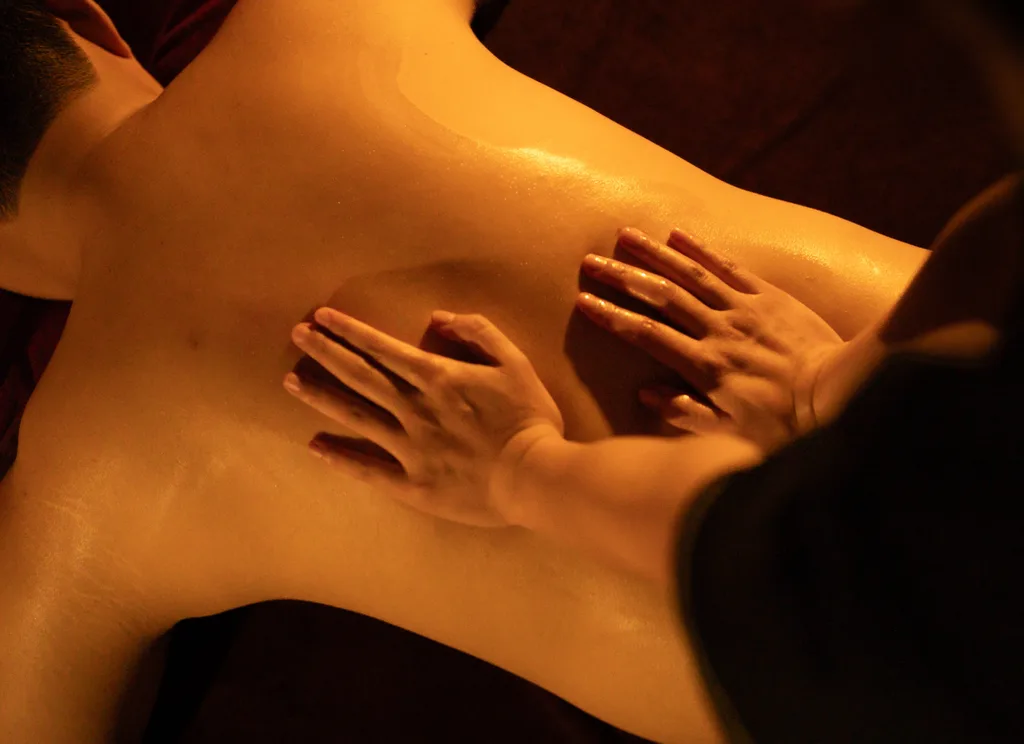
Body massage is a body-care method that uses techniques such as rubbing, gliding, kneading, pressing, and gentle stretching on muscle groups and soft tissues throughout the body. Depending on the treatment, therapists may incorporate essential oils, hot stones, or specialized tools to enhance relaxation, ease muscle tension, and help the body feel more comfortable. This method commonly focuses on the back, shoulders, neck, arms, legs, and other areas that experience pressure during daily activities.
1.1 The Nature and Principles of Body Massage
To understand what body massage is, it is important to recognize that it involves controlled mechanical movements applied to the skin, soft tissues, and muscle groups using the hands, fingers, palms, or specialized tools. Each technique creates a different level of pressure, ranging from gentle strokes across the skin to deeper kneading and pressure applied to tense muscles. The intensity and rhythm are adjusted according to each person's physical condition, relaxation needs, and tolerance to pressure.
Therapists commonly combine the following basic techniques:
-
Effleurage: Using the palms or fingertips to perform gentle strokes along the body. This technique is often used at the beginning of a massage to warm the skin, distribute massage oil, and help the body gradually adapt to the pressure.
-
Petrissage: Applying kneading, squeezing, and gentle lifting movements to soft tissues. This technique is commonly used on larger muscle groups, such as the back, shoulders, arms, and calves.
-
Friction: Applying controlled pressure and rubbing movements to a specific muscle area. The technique must be adjusted appropriately to avoid pain or irritation to soft tissues.
-
Acupressure: Using the fingers or thumbs to apply pressure to specific points on the body. This technique is commonly found in Shiatsu and other traditional Eastern massage methods.
-
Tapotement: Using cupped hands or the edges of the hands to create gentle, rhythmic tapping movements on suitable muscle areas. Strong pressure should not be applied to bones, joints, or sensitive areas.
-
Stretching: Helping joints and muscle groups move within an appropriate range of motion. This technique is commonly used in Thai massage to promote a sense of flexibility and relieve muscle stiffness.
Therefore, massage is not simply a series of rubbing movements on the skin. It requires coordination between proper techniques, applied pressure, and the ability to adjust movements according to the client's feedback.
1.2 How Is Body Massage Different from Targeted Massage?
The main differences between full-body massage and targeted massage lie in the areas treated, the purpose of the treatment, and how time is allocated to each body part. Full-body massage aims to provide an overall relaxing experience, while targeted massage focuses more on areas that frequently experience pressure or discomfort. The choice between these methods depends on each person's actual needs.
The following table highlights the differences between these two common types of massage:
|
Criteria |
Full-Body Massage |
Targeted Massage |
|
Coverage |
Multiple areas of the body |
One or several specific areas |
|
Areas Treated |
Back, shoulders, neck, arms, legs, and other muscle groups |
Feet, back, neck and shoulders, or head |
|
Purpose |
Overall relaxation and relief from feelings of fatigue |
Focused care for areas that need relaxation |
|
Techniques |
A combination of different massage techniques |
Adjusted according to the characteristics of each area |
|
Suitable For |
People who want to rest and relax their entire body |
People who want to focus on a specific body area |
For example, people who frequently work at a computer may prioritize neck, shoulder, and back massage to care for muscle groups that remain under prolonged pressure. Meanwhile, those who have spent a day sightseeing or walking extensively may choose foot massage or a full-body treatment to relax multiple areas at once.
If you are looking for a comprehensive body-care experience, full-body massage is worth considering. In contrast, targeted massage is more suitable when you want to focus time and techniques on a particular area.
2. Which Areas and Techniques Are Included in Body Massage?
A full-body massage treatment is usually performed on different areas to ensure that muscle groups receive relatively balanced care. Depending on the method and the client's needs, therapists select the areas to be treated, the massage pressure, and the appropriate techniques to provide a comfortable experience throughout the session.
2.1 Common Body Areas Treated During a Massage
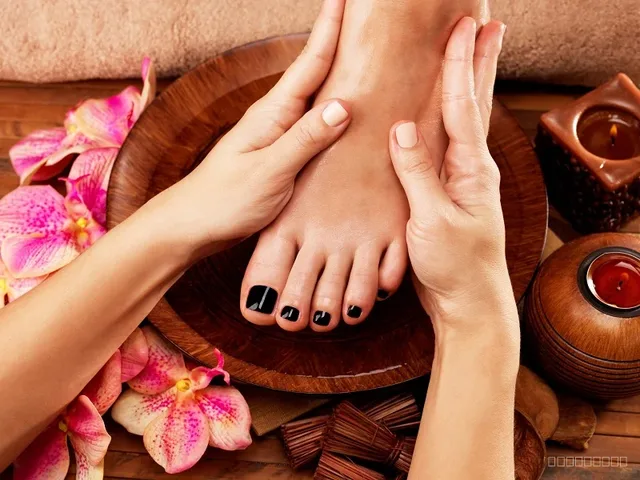
The areas covered may vary depending on the treatment, but commonly treated areas include the back, neck and shoulders, arms, legs, and feet. These body parts are frequently involved in physical activities, posture maintenance, and daily work or routines.
Common areas included in a massage treatment are:
-
Back: Focuses on the muscle groups along both sides of the spine and the lower back. People who sit for long periods or maintain improper posture may experience stiffness in this area.
-
Neck and Shoulders: Uses gentle rubbing, kneading, and pressing movements to relax the neck muscles, trapezius muscles, and surrounding shoulder areas. This area is often prioritized for office workers.
-
Arms and Hands: Includes the upper arms, forearms, wrists, palms, and fingers. Massage helps relax muscle groups that are frequently used when working, gripping objects, or operating electronic devices.
-
Thighs and Hips: Focuses on large muscle groups involved in walking, standing, and physical movement. Therapists need to adjust the pressure according to each person's sensitivity.
-
Calves: Commonly treated with gentle strokes, squeezing, and gliding movements to ease the feeling of tightness and heaviness after prolonged standing or walking.
-
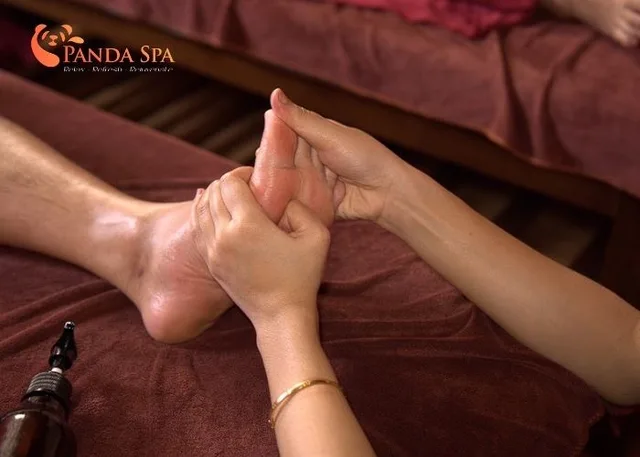
Feet: Includes the soles, tops of the feet, heels, and toes. Kneading and pressure techniques are often used to create a relaxing sensation for the feet.
-
Head: Some treatments include scalp, temple, and forehead massage using the fingertips. Gentle movements help clients relax and ease feelings of tension.
Not every treatment covers all of these areas. In particular, the abdomen, chest, and other sensitive areas require separate consideration, clear consent, and strict adherence to safety principles.
2.2 Common Body Massage Techniques
To better understand what body massage is and how each treatment works on the body, it is useful to learn about the techniques involved. Some methods emphasize gentle movements, while others use pressure or stretching to work on muscle groups.
Common techniques include:
-
Swedish Massage: Uses a sequence of long strokes, kneading, friction, and gentle tapping. This method generally has a relatively gentle rhythm and is suitable for people seeking full-body relaxation.
-
Acupressure Massage: Applies controlled pressure to specific points using the fingers or palms. The intensity should be adjusted to avoid pain or discomfort.
-
Deep Tissue Massage: Focuses on deeper layers of soft tissue and muscle groups through slow, controlled pressure. This method does not mean that extremely strong pressure must be used, and it is not suitable for everyone.
-
Stretching Massage: Combines movements that help the body extend, bend, and rotate within an appropriate range of motion. This technique is commonly used in Thai massage.
-
Thermal Massage: Uses hot stones or appropriately warmed materials to create a comfortable sensation and support muscle relaxation.
-
Aromatherapy Massage: Combines gliding movements with suitable massage oils or essential oils. The oil helps reduce friction on the skin while the fragrance contributes to a relaxing experience.
Each technique has its own characteristics, and no single method is suitable for everyone. Before choosing a service, you should discuss your preferred pressure, sensitive body areas, and current health condition with the therapist.
3. Popular Types of Body Massage Today
Based on fundamental massage techniques, many methods have been developed into specialized treatments with different procedures, tools, and experiences. Below are five popular types that can help clients understand the characteristics of each method before making a choice.
3.1 Aroma Body Massage
Aroma body massage, also known as aromatherapy massage, combines gentle massage techniques with scented massage oils or essential oils. During the treatment, therapists commonly use long strokes, circular movements, and gentle kneading on large muscle groups to help the body relax. The combination of massage movements and fragrance creates a relaxing experience for both the body and mind.
Some notable characteristics of this method include:
-
Techniques: Mainly uses the palms and fingers to perform gliding strokes, gentle friction, and kneading movements.
-
Products Used: Massage oils or essential oils suitable for the treatment. A sensitivity test should be considered before use if you have a history of allergies.
-
Experience: Gentle and soothing movements combined with pleasant fragrances help create a relaxing atmosphere.
-
Body-Care Benefits: Supports body relaxation, helps ease feelings of stress, and creates favorable conditions for comfortable rest.
-
Suitable For: People who enjoy gentle massage and want to relax after a working day or a long journey.
At Panda Spa, the full-body aromatherapy relaxation treatment is designed around gentle and flowing massage movements. It is a suitable choice for people who want to experience a full-body massage without high-intensity stretching or acupressure techniques.

3.2 Traditional Thai Body Massage
Thai massage is a body-care method originating in Thailand. It is known for combining acupressure, stretching, and passive movement positions. Unlike Aroma Massage, which often uses oils and gentle gliding movements, Thai massage places greater emphasis on techniques involving the palms, fingers, elbows, and assisted body stretching.
The characteristics of Thai massage include:
-
Acupressure Techniques: Therapists use pressure from their hands, fingers, or other appropriate body parts to apply force to specific muscle areas.
-
Stretching Movements: Helps extend the arms and legs, rotate joints, and stretch muscle groups within their natural range of motion.
-
Areas Treated: Focuses on muscle groups that frequently experience pressure, such as the back, hips, shoulders, and legs.
-
Experience: May create a more noticeable sense of pressure compared with aromatherapy relaxation massage.
-
Suitable For: People who enjoy acupressure and stretching techniques and have an appropriate range of motion for the treatment.
However, Thai massage should never involve forcing the body beyond its natural range of motion. People with injuries, musculoskeletal problems, or health conditions that require caution should consult a healthcare professional before trying this treatment.

3.3 Japanese Shiatsu Body Massage
Shiatsu is a massage method originating in Japan. The word "Shiatsu" means "finger pressure." This technique uses the fingers, palms, and sometimes the elbows to apply pressure to specific points on the body in a structured sequence. Unlike aromatherapy massage, traditional Shiatsu is usually performed while the client wears suitable clothing and does not rely on massage oils.
The basic characteristics of Shiatsu include:
-
Finger-Pressure Techniques: Applies steady pressure to selected points on the body.
-
Structured Application: Massage points are treated systematically rather than through random rubbing movements across the skin.
-
Pressure Adjustment: The applied pressure must be appropriate for the body area and the client's tolerance.
-
Limited Reliance on Oils: Traditional Shiatsu generally does not require massage oils, although some combined treatments may incorporate additional techniques.
-
Suitable For: People who enjoy acupressure massage and want to experience a Japanese approach to body care.
At Panda Spa, Shiatsu acupressure techniques are incorporated into the signature Panda treatment. Combining them with foot massage, essential oils, and hot stones creates a more diverse full-body care experience than applying a single technique alone.

3.4 Hot Stone Body Massage
Hot stone massage is a method that uses specialized stones warmed to an appropriate temperature, combined with massage movements applied to the body. The stones are usually made from materials with good heat-retention properties, with basalt being a common choice. Therapists may place the stones on certain areas of the body or use them to perform gentle gliding and rubbing movements.
This method has several notable characteristics:
-
Heat-Retaining Stones: The stones are warmed and their temperature is checked before coming into contact with the skin.
-
Combination with Manual Massage: Therapists may use both their hands and hot stones to perform gliding and gentle friction movements.
-
Relaxing Sensation: Warmth combined with massage pressure may help the body feel comfortable and relaxed.
-
Focus on Muscle Groups: Commonly applied to the back, shoulders, legs, and other large muscle areas.
-
Suitable For: People who enjoy warmth and want to combine manual massage with heat therapy.
An important consideration is that stone temperature must be carefully controlled to prevent burns or skin injuries. People with reduced heat sensitivity, sensory disorders, circulatory conditions, or damaged skin should inform the spa in advance and consider alternative methods.

3.5 Hot Bamboo Body Massage
Among today's massage methods, hot bamboo massage is a technique that uses specialized tools rather than relying solely on manual pressure. It is another variation worth exploring when learning what body massage is, as it combines manual massage techniques with heat therapy. Therapists use bamboo sticks or tubes of different sizes, which are warmed before the treatment, then perform rolling, gliding, and pressing movements on suitable muscle groups.
Some characteristics of hot bamboo massage include:
-
Use of Warm Bamboo Tools: Bamboo sticks are heated to an appropriate temperature before being applied to the body.
-
Combination of Techniques: Therapists use rolling, gliding, and pressing movements to work on larger muscle groups.
-
Distinct Pressure Sensation: Depending on the technique and applied force, bamboo tools may create a more noticeable pressure sensation than hand-gliding movements.
-
Suitable For: People who want to experience tool-assisted massage and enjoy pressure applied to larger muscle groups.
Therapists must carefully control both the temperature and pressure of the bamboo sticks throughout the treatment. Excessive force should not be applied to prominent bones, joints, or areas with existing injuries.

4. What Are the Benefits of Body Massage?
Understanding what body massage is also helps you recognize the benefits this method may offer as part of a body-care routine. When performed with appropriate techniques and adapted to individual physical conditions, massage can help relax muscles, reduce feelings of fatigue, and create an opportunity for mental rest. However, the experience and results may vary depending on the massage method, pressure, duration, and each person's health condition.
Some commonly recognized benefits include:
-
Supports muscle relaxation: Rubbing and kneading techniques may help ease feelings of tightness in the back, shoulders, neck, and legs after prolonged physical activity or maintaining the same posture for an extended period.
-
Reduces feelings of fatigue: A suitable massage session allows the body time to rest, especially after long working days or continuous travel.
-
Supports circulation in the massaged area: Mechanical stimulation of soft tissues may temporarily increase local blood flow, contributing to a warm and comfortable sensation.
-
Promotes mental relaxation: A quiet environment, soothing sounds, and rhythmic massage movements may help relieve everyday stress.
-
Supports comfortable movement: Gentle stretching techniques may help the body feel more comfortable during movement.
-
Creates opportunities for rest: Receiving a massage in a suitable environment may help some people relax and prepare for sleep.
-
Supports post-activity body care: Gentle massage may help reduce muscle tightness after normal physical activity, provided there is no acute injury.
It is important to distinguish relaxation benefits from medical treatment. Massage cannot replace medication, physical therapy, or prescribed treatment for medical conditions. If you experience severe pain, swelling, inflammation, injury, or persistent unusual symptoms, seek medical attention rather than relying on massage to address the problem.
5. Body Massage Treatment Prices at Panda Spa
The cost of body massage generally depends on the technique, treatment duration, and combination of methods used during the session. At Panda Spa Da Nang, customers can explore several full-body relaxation massages and body-care treatments incorporating different massage techniques.
Below are the listed prices from Panda Spa's official service price list:
|
Treatment |
60 Minutes |
90 Minutes |
120 Minutes |
|
Aroma Full-Body Relaxation Massage |
550.000đ |
700.000đ |
850.000đ |
|
Hot Bamboo Therapy |
— |
850.000đ |
1.100.000đ |
|
Panda Signature Therapy |
— |
750.000đ |
950.000đ |
|
Intensive Back, Neck, Shoulder, and Head Therapy |
650.000đ |
850.000đ |
— |
Source: Panda Spa's official service price list. Listed prices may change depending on applicable promotions or service policies.
Each treatment has its own characteristics, allowing customers to choose according to their needs:
-
Aroma Massage: Suitable for those seeking full-body relaxation through gentle massage movements combined with aromatic oils.
-
Hot Bamboo Therapy: Designed for customers who want to experience massage techniques using warm bamboo sticks, focusing on larger muscle groups.
-
Panda Signature Therapy: Combines foot massage, hot stones, aromatic oil massage, and Shiatsu acupressure techniques into a comprehensive full-body care experience.
-
Intensive Back, Neck, Shoulder, and Head Therapy: Suitable for those who want focused care for areas commonly affected by prolonged sitting or extended working hours.
One convenient feature of Panda Spa is that the listed prices already include tips, helping customers plan their treatment expenses more easily. Panda Spa also has two locations at 225C and 229 Nguyen Van Thoai Street, Da Nang, offering private massage rooms and additional amenities such as shower facilities and complimentary luggage storage. Customers can review more details on the Panda Spa price list before selecting a treatment.
6. Important Things to Know Before and After a Body Massage
Besides understanding what body massage is and choosing a suitable treatment, it is important to consider how to prepare beforehand and care for your body afterward. These precautions can make the massage experience more comfortable, reduce unwanted discomfort, and support personal safety.
6.1 How Should You Prepare Before a Body Massage?
Before beginning a treatment, customers should prepare relevant information and take a few practical steps to help the therapist understand their body-care needs. Discussing these details beforehand allows the therapist to adjust the massage technique, pressure, and areas that should be avoided.
Recommended preparations include:
-
Discuss your health condition: Inform the spa if you are pregnant, have underlying medical conditions, joint or bone problems, circulatory issues, allergies, or previous injuries. This information helps determine whether a particular massage method is appropriate.
-
Avoid eating a large meal immediately before the session: A heavy meal right before massage may cause bloating or discomfort while lying down. If you are hungry, consider having a light snack beforehand.
-
Maintain personal hygiene: Shower or clean your body before the treatment if necessary. This can help you feel more comfortable, especially during oil-based massage treatments.
-
Choose comfortable clothing: Wear loose, comfortable clothes and follow the spa's changing instructions. Remove jewelry or accessories that may interfere with the massage.
-
Communicate your preferred pressure: Tell the therapist whether you prefer light, medium, or firm pressure. Clearly identify any sensitive areas or parts of your body you do not want massaged.
-
Check the products being used: If you have a history of allergies to essential oils, fragrances, or cosmetic ingredients, inform the spa in advance so appropriate products can be considered.
-
Arrive on time: Arriving slightly early provides time to discuss your preferences, change clothes, and prepare comfortably before the session begins.
People experiencing fever, contagious illnesses, open wounds, skin inflammation, or acute injuries should postpone massage involving affected areas. Pregnant individuals and those with underlying medical conditions should consult a healthcare professional when necessary before receiving massage services.
6.2 How to Care for Your Body After a Massage
After a massage session, the body may benefit from some time to rest and adjust to the physical stimulation received during treatment. Understanding what body massage is also means knowing how to care for yourself afterward to maintain comfort and minimize unwanted reactions.
Some recommended post-massage practices include:
-
Take time to rest: Avoid standing up too quickly after lying down for an extended massage session. Sit up slowly and allow your body a few minutes to adjust before moving around.
-
Stay appropriately hydrated: Drink water according to your body's needs to maintain normal hydration. There is no need to force yourself to drink excessive amounts of water to "detox" after a massage.
-
Clean your body appropriately: If massage oil was used, you may shower or wipe your skin according to the product type and spa's instructions. Those with sensitive skin should avoid harsh cleansing products.
-
Avoid strenuous physical activity: High-intensity exercise immediately after a massage involving extensive pressure or stretching may be uncomfortable. Consider lighter activities such as walking or resting.
-
Maintain a comfortable body temperature: After hot stone massage or an oil-based treatment, avoid sudden temperature changes and keep your body comfortable.
-
Monitor your body's response: If you experience significant pain, unusual bruising, dizziness, or persistent discomfort, contact a healthcare provider for assessment.
-
Maintain healthy body-care habits: Combine adequate rest, appropriate physical activity, and better working posture to help reduce recurring muscle tension.
There is no single massage frequency that suits everyone. The appropriate schedule depends on individual relaxation needs, physical activity levels, recovery capacity, and overall health condition.
Frequently Asked Questions (FAQ)
1. What Is Body Massage, and How Is It Different From a Regular Relaxation Massage?
Body massage is a body-care method that uses rubbing, stroking, pressing, kneading, and other manual techniques on muscles and soft tissues across different parts of the body. A regular relaxation massage may focus on a specific area, such as the head, feet, neck, or shoulders, while body massage generally covers a broader range of body areas. However, both approaches may use some of the same techniques. Their main differences lie in the areas treated, pressure applied, and objectives of each session. Customers should choose based on their relaxation needs rather than relying solely on the service name.
2. Does Body Massage Require Essential Oils?
Not all body massage techniques require essential oils. Aroma Massage typically uses massage oils or essential oils to facilitate smooth stroking movements and create a relaxing aromatic experience. Traditional Shiatsu, however, is commonly performed without oil. Thai massage may also be performed without oil, depending on the spa's procedures. If you have sensitive skin or a history of fragrance allergies, inform the therapist beforehand so suitable products or oil-free massage options can be considered.
3. Can Body Massage Cause Pain or Bruising?
One common concern when learning what body massage is involves whether the treatment can cause pain. In general, massage performed with appropriate techniques and pressure should aim to provide comfort rather than pain. Some methods, such as deep tissue massage or acupressure, may involve more noticeable pressure, but the intensity should remain within the recipient's tolerance. Sharp pain, burning sensations, or bruising should not be considered signs that a massage is effective. If unusual reactions occur, inform the therapist immediately so the technique can be adjusted or stopped.
As explained above, understanding what body massage is involves more than recognizing it as a simple rubbing or kneading technique. It is a body-care approach that offers different methods and experiences. Depending on individual relaxation needs, customers can choose Aroma Massage, Thai Massage, Shiatsu, or combination therapies at Panda Spa Da Nang. If you are looking for massage services in Da Nang, explore Panda Spa's treatment options to receive guidance on a suitable program and enjoy a comfortable, relaxing break.
CONTACT NOW
All core contact channels are grouped here so visitors can book or ask quickly.
- Hotline+84 70 818 5397
- Emailbooking@pandaspa.vn
- MessengerPanda Spa
- Kakao TalkPanda Spa
- NaverPanda Spa
- TripadvisorPanda Spa & Massage In Danang City
- Panda Spa & Massage229 Nguyen Van Thoai, An Hai, Da Nang 550000, Viet Nam
- Panda Relax Spa225c Nguyen Van Thoai, An Hai, Da Nang 550000, Viet Nam
Panda Spa has two branches on Nguyen Van Thoai street (229 & 225C), close to My Khe beach. Our therapists and receptionists share what they learn from guests every day.