Which Massage Should I Choose? How to Find the Right Treatment
"Which massage should I choose?" is a question that crosses almost everyone's mind before their first spa visit. With so many options on the menu, it can be tricky to know exactly where to begin. This guide will walk you through how to pick the right treatment based on your specific needs, whether you are looking for gentle relaxation or deeper muscle work. If you happen to be searching for a highly-rated, trustworthy spot in Da Nang, Panda Spa is an excellent place to start.
1. Why Picking the Right Massage Matters
Selecting the appropriate therapy makes a huge difference in how you feel afterward. Understanding what your body actually needs helps you get the most out of your session and prevents any unwanted discomfort.
1.1. Benefits of making the right choice
Choosing a massage that matches your needs can help you relax more comfortably and get more out of each session. A suitable therapy can support better circulation, ease aches, and leave you feeling truly refreshed. People who choose the right option usually feel great immediately after the session and look forward to coming back.
-
Soothes daily stress and fatigue
-
Supports deeper, more restful sleep
-
Helps you move more freely with less stiffness
-
Leaves you with a lasting sense of calm
-
Helps your body bounce back faster after a tough work week
1.2. What happens if you pick the wrong one?
Choosing a style that doesn't fit your needs can leave you feeling sore for days, add to your muscle tension, or simply fail to give you the relief you wanted. For instance, if a beginner books a highly intense therapy, they might find it too uncomfortable and hesitate to ever book a spa day again. Figuring out what you need beforehand saves you time, money, and unnecessary aches.
-
Lingering soreness for days after your visit
-
Feeling physically tighter instead of relaxed
-
Missing out on the pain or stress relief you wanted
-
Losing interest in trying future spa therapies
2. Which Massage Should I Choose Based on My Body's Needs?
If you are evaluating your options, the best place to start is by looking at your current physical and mental state. Here are some practical recommendations based on common needs.
2.1. For stress relief and relaxation
If your main goal is to unwind, you should opt for a Swedish or Aromatherapy session. Both rely on light to medium massage pressure and use soothing essential oils to calm the mind and support better sleep. This can be a gentle and comfortable option for people dealing with everyday stress, difficulty sleeping, or simply looking to unwind.
-
Swedish: Long, sweeping strokes that promote relaxation.
-
Aromatherapy: Blends natural scents with gentle touch to help you unwind and balance your mood.

2.2. For chronic neck, shoulder, and back aches
If you are dealing with stubborn aches, deep tissue or therapeutic massage are commonly recommended options. These methods use firmer pressure to work through areas of persistent muscle tension. Desk workers often notice a big difference after just a few sessions. In fact, these are commonly recommended options for people looking for the best massage for neck and shoulder pain.
-
Works to release deep-seated knots
-
May ease chronic discomfort in the back and shoulders
-
Helps stiff joints move more smoothly
2.3. For athletes and muscle recovery
Active individuals should consider a Sports massage. This specialized technique targets overused areas to stretch tight fibers, speed up recovery, and help prevent future injuries. It is an excellent choice for runners, weightlifters, or anyone engaged in high-intensity physical training.
2.4. For stretching and flexibility
If you feel stiff, a Thai or Shiatsu treatment might be exactly what you need. These styles combine assisted stretching with acupressure to loosen you up and help correct your posture. It is a fantastic option if you want to feel more limber and agile when you walk out the door.
-
Encourages greater body flexibility
-
Helps with overall posture
-
Reduces the feeling of stiff, locked joints

2.5. For warming muscles and restoring energy
If you tend to run cold or have stiffness from chilly weather, a Hot Stone treatment is a wonderful choice. The heated volcanic stones warm up the muscle tissue, encouraging blood flow and providing a deeply comforting sensation without the need for heavy pressure.
3. The Most Popular Types of Massage
Understanding the core differences between the most common types of massage can easily point you in the right direction. Here is a quick breakdown to help you decide.
| Type of Massage | Best For | Pressure | Main Goal |
|---|---|---|---|
| Aromatherapy | People seeking mental relaxation | Light to medium | Stress relief, mood support |
| Deep Tissue | People with chronic aches or tension | Medium to firm | Releasing deep muscle tension |
| Thai | People feeling stiff or inflexible | Medium to firm | Assisted stretching, better mobility |
| Hot Stone | People who enjoy warmth | Light to medium | Relaxation and warming muscles |
| Foot Massage | People with tired, aching feet | Medium | Easing foot fatigue |
3.1. Swedish: A great starting point for beginners
This is widely considered the best massage for beginners. The technique uses long, rhythmic strokes to promote relaxation throughout the body without intense pressure. With light to medium pressure, it is an ideal introduction for anyone who has never been to a spa before and just wants to feel pampered.
3.2. Deep tissue: Releasing stubborn knots
Ideal for those who have been living with aches for a long time. The therapist applies firm pressure to reach deeper layers of tissue. Many clients feel notably looser after one or two visits. It is a common choice for desk workers who need to address severe muscle tension.

3.3. Thai: Assisted stretching and acupressure
Performed without oil, this style relies heavily on stretching and precise pressure points. It can feel a bit like having someone do yoga for you. It is highly recommended if your main goal is to loosen up tight joints and regain your range of motion.
3.4. Hot stone: Deeply warming comfort
The heat from the stones relaxes the muscles quickly, allowing the therapist to work the tissues without using intense physical force. It is highly popular for those who want a deeply relaxing, cozy experience, especially on cooler days.

3.5. Aromatherapy: Calming the mind
By pairing physical touch with the natural scents of essential oils, this method provides a wonderful mental escape. It is ideal for balancing your emotions and easing daily anxieties. The pleasant scent often lingers on your skin, keeping you relaxed well into the evening.
4. 3 Simple Steps to Answer: Which Massage Should I Choose?
Instead of guessing, you can easily figure out your ideal treatment by walking through these three simple steps. If you are still unsure how to choose a massage, this is the quickest way to find out.
4.1. Identify your main goal
Ask yourself: Are you trying to fix a physical ache, or do you just want mental peace? Your answer will immediately narrow down your options.
-
Want to ease chronic aches? → Lean toward deep tissue or therapeutic styles.
-
Want to quiet your mind? → Opt for Swedish or Aromatherapy.
-
Want to feel less stiff? → Look into Thai.
-
Want to feel warm and cozy? → Choose Hot Stone.
4.2. Assess your pressure tolerance
If you are highly sensitive to pain, you should stick to lighter methods. If you can handle (and prefer) a strong touch to work out tight spots, a firmer massage pressure is a better fit. Knowing your tolerance helps you avoid a painful session and allows the therapist to customize their approach.
4.3. Communicate with your therapist
Always talk to your therapist before the session begins. Share any areas of concern, your health history, and what you hope to get out of the visit. Good communication ensures the service is tailored to you. Never hesitate to speak up if the pressure feels too hard or too soft.

5. Frequently Asked Questions
Here are some common questions people ask when deciding which type of massage is right for them.
5.1. What is the best massage for beginners?
You should start with a Swedish or Aromatherapy session. Because they use a lighter touch, they are generally gentle and comfortable for first-time clients, making them a safe and highly enjoyable way to get used to the spa environment. You can always try firmer styles later.
5.2. What is the best massage for neck and shoulder pain?
A deep tissue massage or a focused therapeutic treatment is usually the most helpful. The firmer pressure is required to break up the tough knots that form from poor posture or stress. You may need a few consistent sessions to feel a major difference.
5.3. How long and how often should I go?
Standard sessions usually run for 60 or 90 minutes. For general stress relief, visiting once or twice a week is great. If you are getting deep therapeutic work, it is usually better to wait 7 to 10 days between visits so your muscle tissue has time to recover.
5.4. Is harder pressure always better?
No. The pressure should always match your goals and your personal pain tolerance. If you are new to bodywork, start light. If you ever feel sharp, biting pain or tingling during a session, tell your therapist immediately so they can ease up.
5.5. Should I book 60, 90, or 120 minutes?
A 60-minute session is fine for a quick reset or focusing on a specific problem area. A 90-minute booking is ideal for a full-body experience without feeling rushed. A 120-minute session is perfect for those days when you want total, uninterrupted relaxation from head to toe.
6. Conclusion: Listen to Your Body
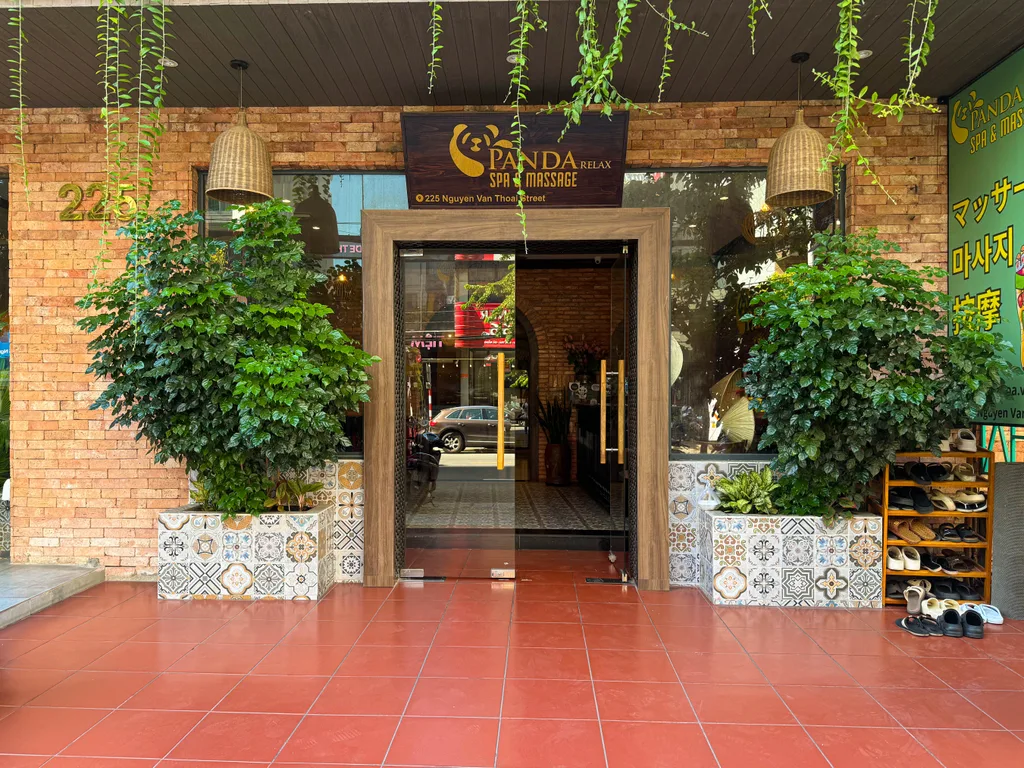
Answering the question, "which massage should I choose?" is actually quite simple once you clarify what your body is craving. Take a moment to listen to your physical needs, communicate openly with your therapist, and you can make a more informed choice about which treatment suits you best. If you are ready to book a reliable, high-quality session in Da Nang, Panda Spa is an excellent place to start.
CONTACT NOW
All core contact channels are grouped here so visitors can book or ask quickly.
- Hotline+84 70 818 5397
- Emailbooking@pandaspa.vn
- MessengerPanda Spa
- Kakao TalkPanda Spa
- NaverPanda Spa
- TripadvisorPanda Spa & Massage In Danang City
- Panda Spa & Massage229 Nguyen Van Thoai, An Hai, Da Nang 550000, Viet Nam
- Panda Relax Spa225c Nguyen Van Thoai, An Hai, Da Nang 550000, Viet Nam

Panda Spa has two branches on Nguyen Van Thoai street (229 & 225C), close to My Khe beach. Our therapists and receptionists share what they learn from guests every day.